
Busbar Welding for Batteries
Whether cylindrical, prismatic, or pouch batteries, individual battery cells are connected to form modules through conductive busbars. Laser welding technology enables efficient and high-quality connections between busbars and batteries, meeting key electrical performance requirements while offering fast production, high reliability, and ease of automation.
Advantages of GW Laser in Busbar Welding for Batteries
The fiber laser of GW Laser is suitable for large-scale welding of Busbar due to its high spot quality, strong stability, and fast response.
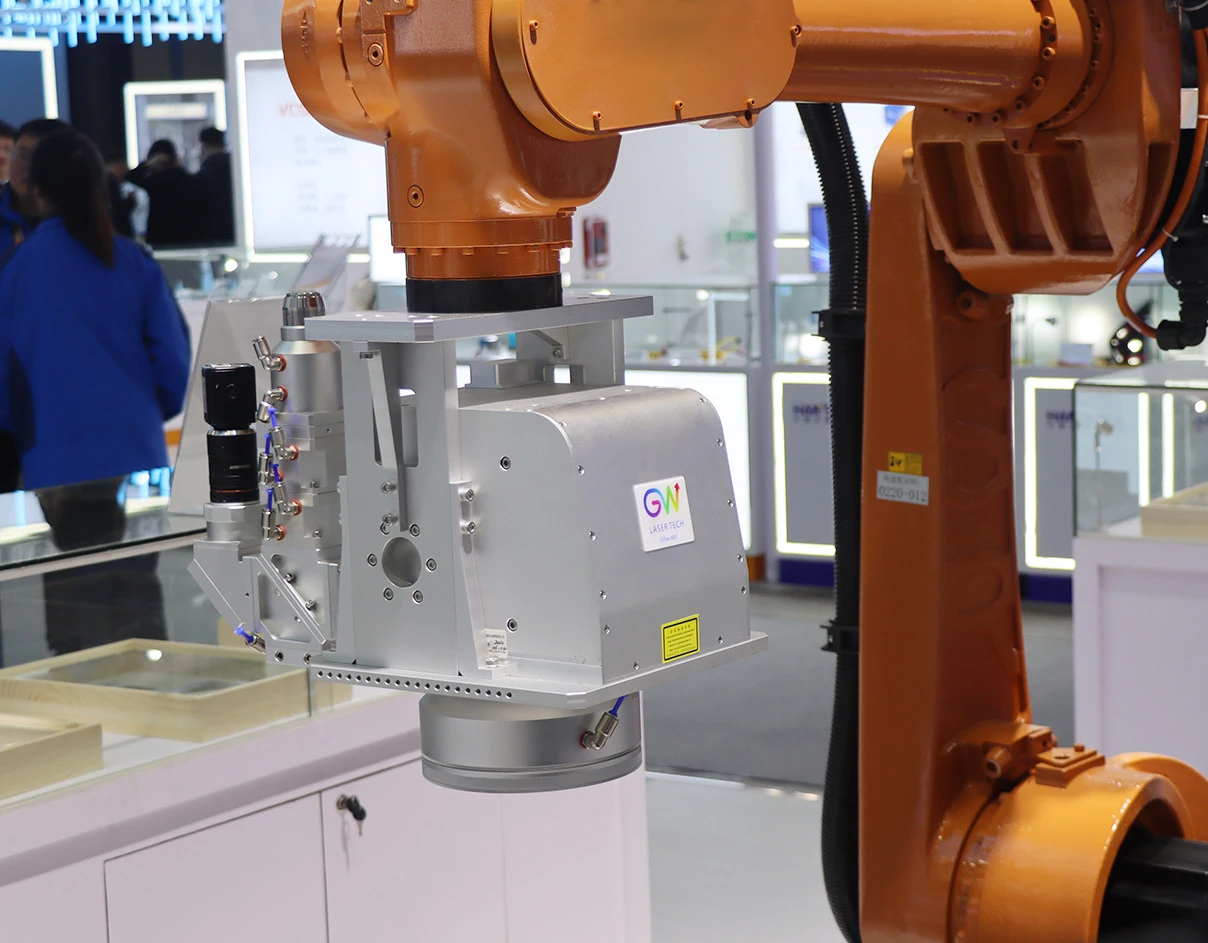
High Efficiency
When paired with high-performance galvanometers, it achieves high-efficiency and high-dynamic welding, reducing production time and significantly increasing production capacity.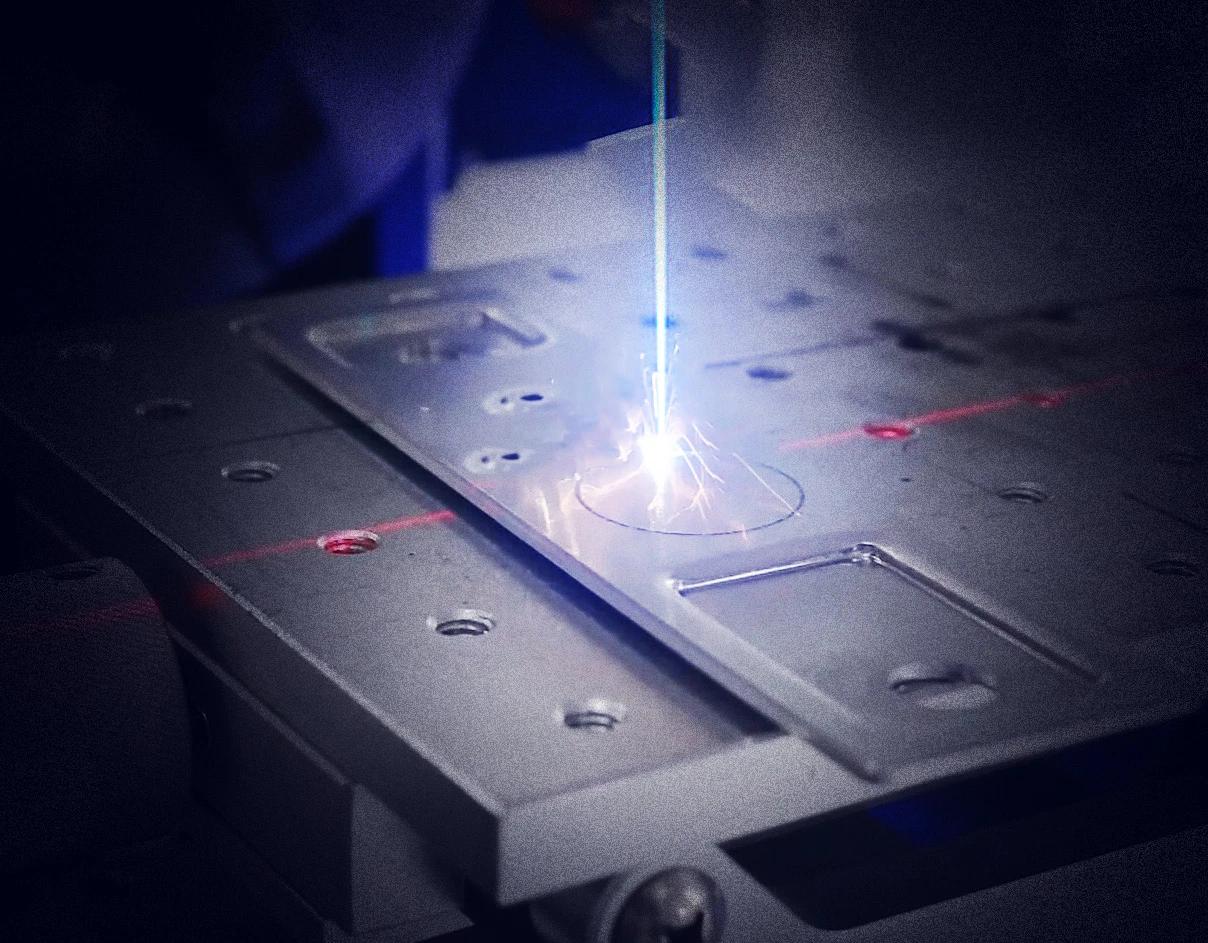
High Stability
Laser welding, due to its high precision and non-contact operation, can ensure production consistency and weld quality, achieving high stability in welding.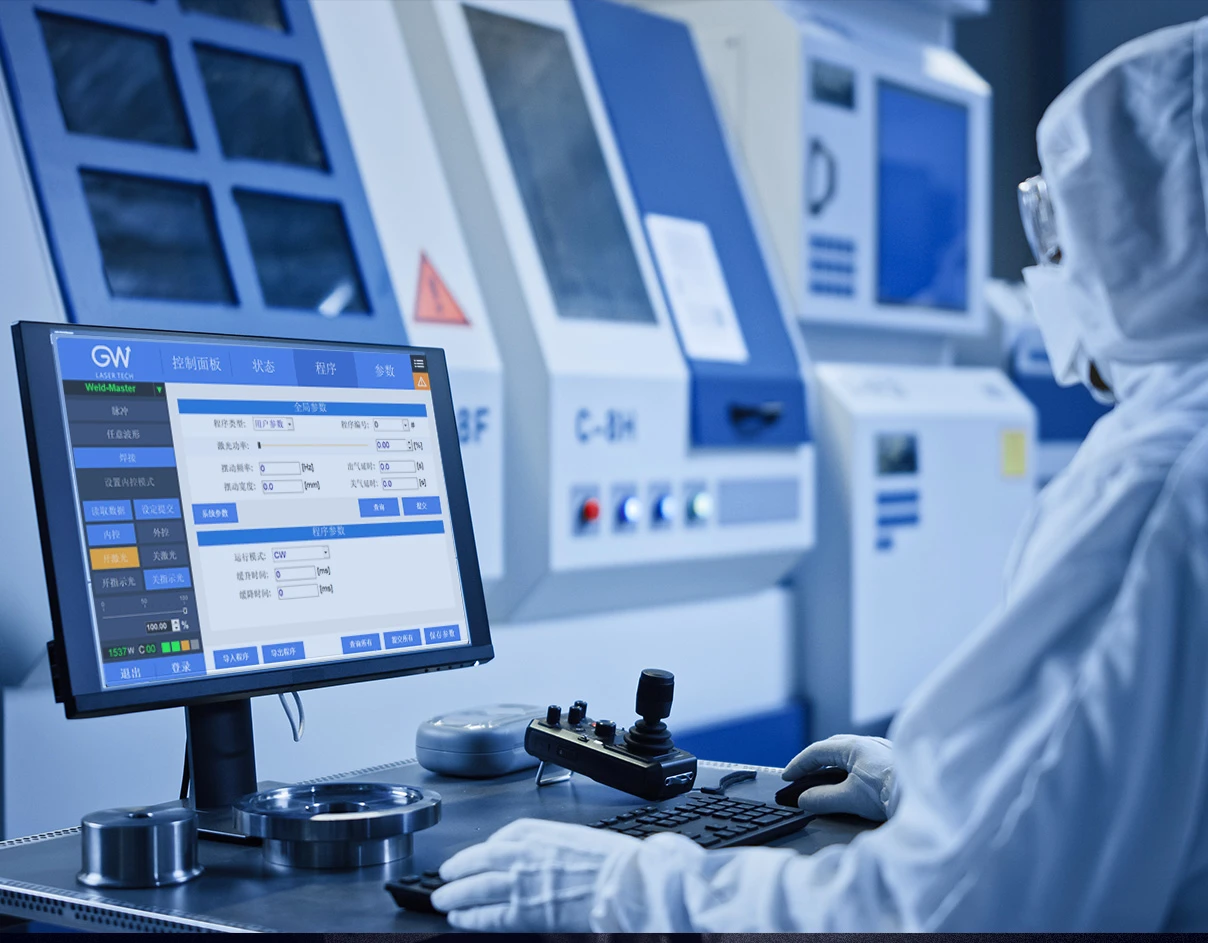
High Flexibility
The laser easily integrates into flexible production lines, adapting to rapidly changing module production requirements. With the aid of increasingly mature vision systems, it allows for easy switching.
GW Laser's Attempts in the Field of Busbar Welding
1. Due to the ABR's high resistance to reflection, precise control, and excellent beam quality, it supports the industry in achieving high-speed welding production.
2. The FRM adjustable beam output technology provides a high-energy density through a bright central beam, shortening welding time and thus reducing heat input. Additionally, the independently controlled annular beam optimizes the weld pool, reduces spatter, and ensures the processing quality of the Busbar.

 0