
Battery Pack Sealing
Battery sealing welding is a crucial process in ensuring the safety and reliability of batteries, widely used in the manufacturing of new energy batteries such as lithium batteries and flow batteries. The welds formed by laser welding are aesthetically pleasing, uniform, and defect-free, effectively preventing electrolyte leakage and enhancing the sealing performance and reliability of the battery. It is easy to automate, offers fast welding speeds, suitable for large-scale production, significantly improving production efficiency and reducing production costs. It allows for high-precision welding and is well-adapted to sealing complex shapes and small-sized components.
Several Requirements for Battery Sealing Welding
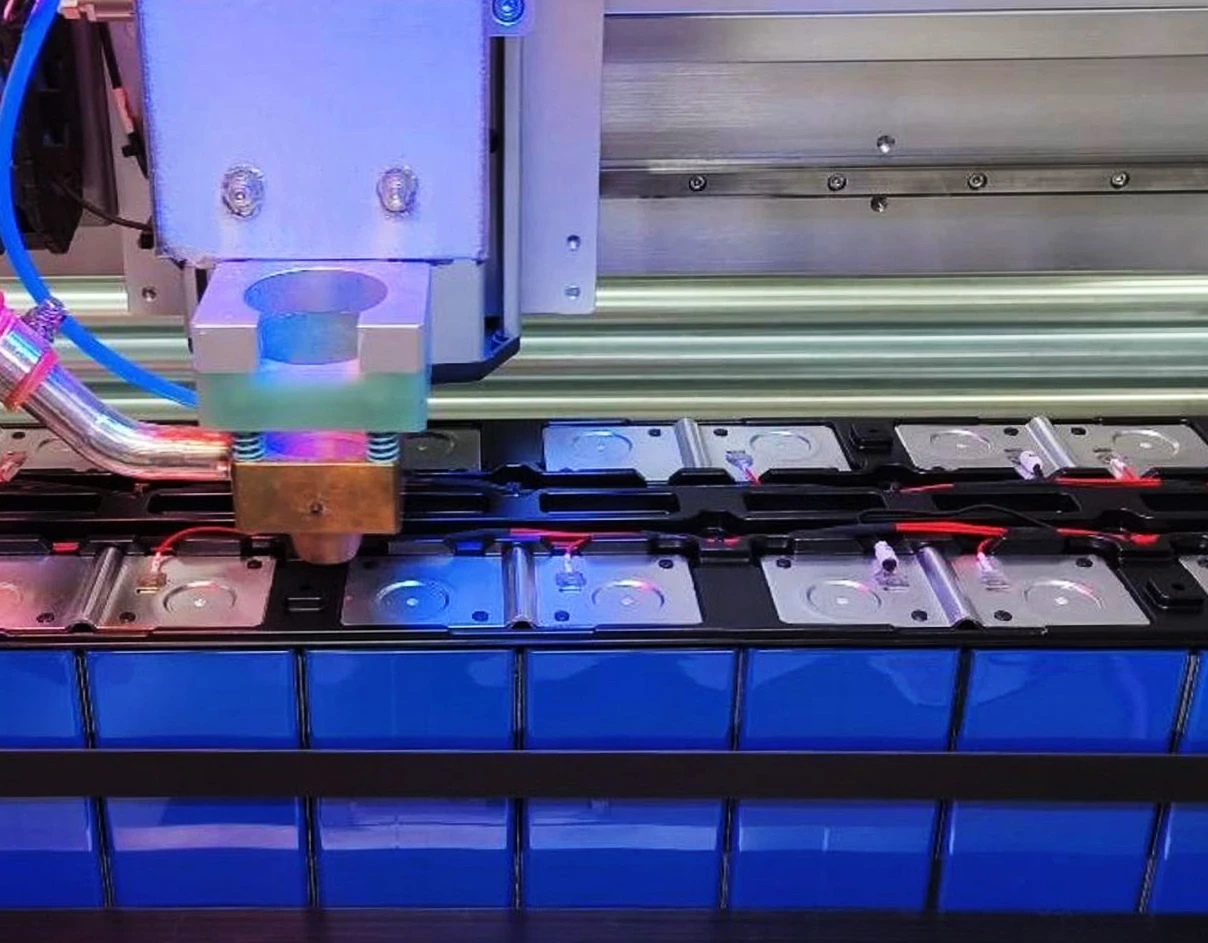
High Sealing Performance
Achieves a strong sealing effect with narrow and uniform welds, effectively preventing liquid leakage.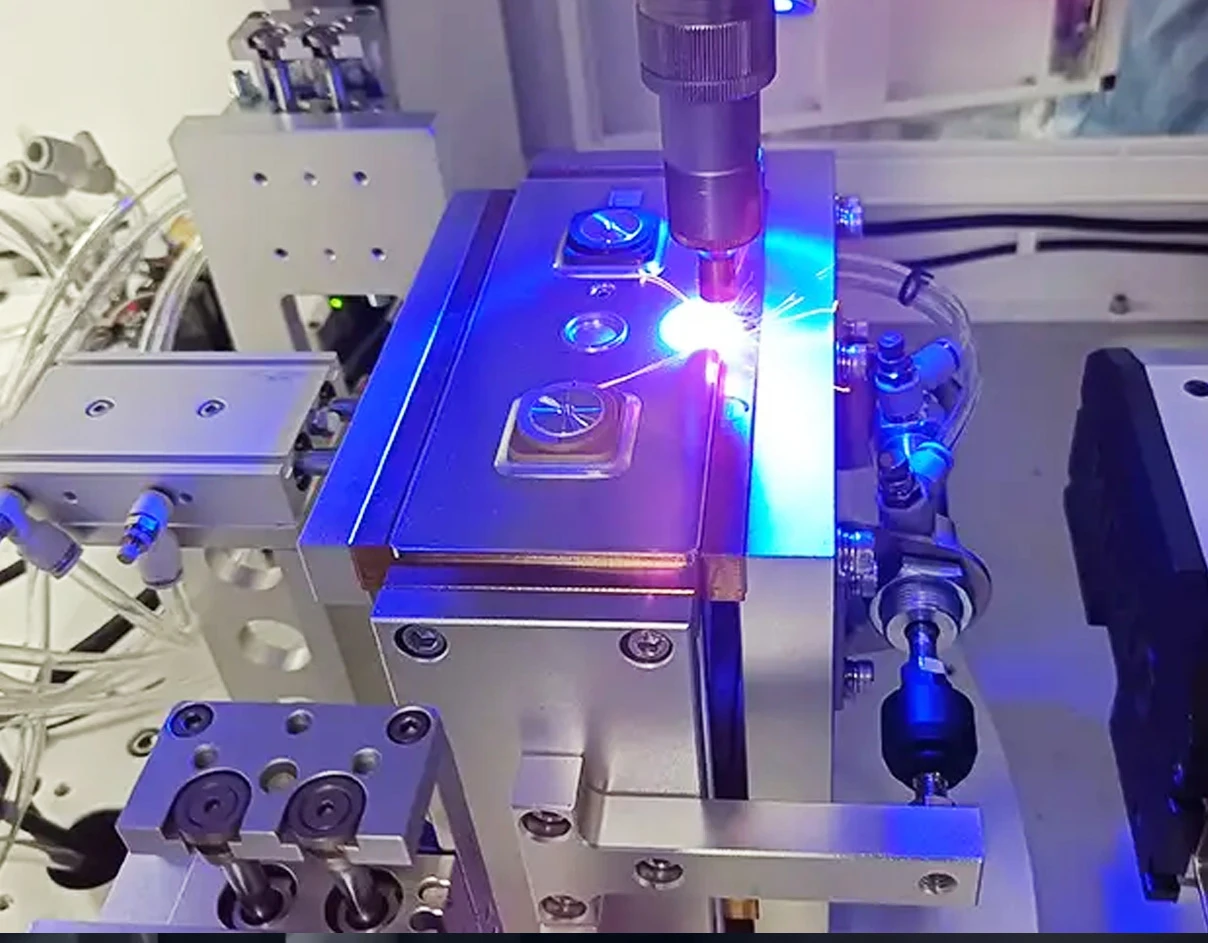
Minimal Thermal Impact
Laser welding is a non-contact process with a minimal heat-affected zone, causing less damage to the internal structure of the battery.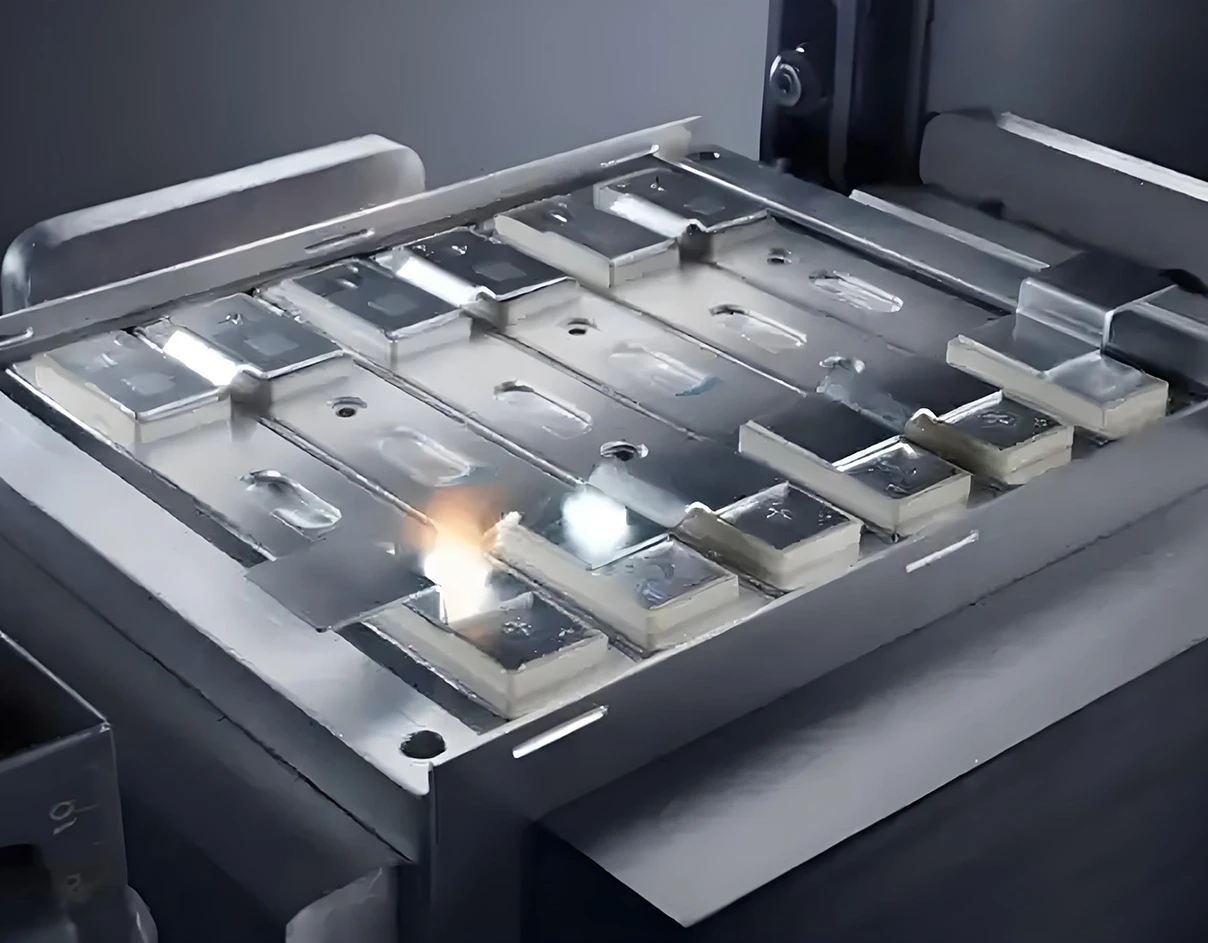
High Precision and High Flexibility
Laser welding can adapt to the sealing needs of complex shapes and small-sized components, while also being easy to automate.
Attempts by GW Laser in the Battery Field
- Sealing of Electrolyte Filling PortAfter the electrolyte is injected, laser welding connects the sealing pin with the battery casing to form a hermetic electrochemical system.
- Sealing Between Casing and CoverLaser welding tightly connects the battery cover with the casing to ensure the overall sealing performance and pressure resistance of the battery.
- Welding of Safety VentWeld a safety vent on the battery cover to ensure the battery can safely release pressure in emergency situations.

 0