
What is Laser Brazing?
Laser brazing is a method of connecting metal components by using a fiber laser as a heat source and heating the brazing filler metal to its melting point through a laser beam. It is a form of laser brazing that utilizes the characteristics of fiber lasers, such as high energy density and precise control, and is suitable for precision metal processing and connection. The principle is that a high-energy laser beam emitted by a fiber laser irradiates the surface of the component to be welded, heating it to a sufficient temperature to melt the brazing filler metal and fill it into the metal joint. When the brazing filler metal cools down, a firm connection is formed. Due to the high focusing ability and controllability of the laser, the temperature of the welding area can be controlled very precisely.
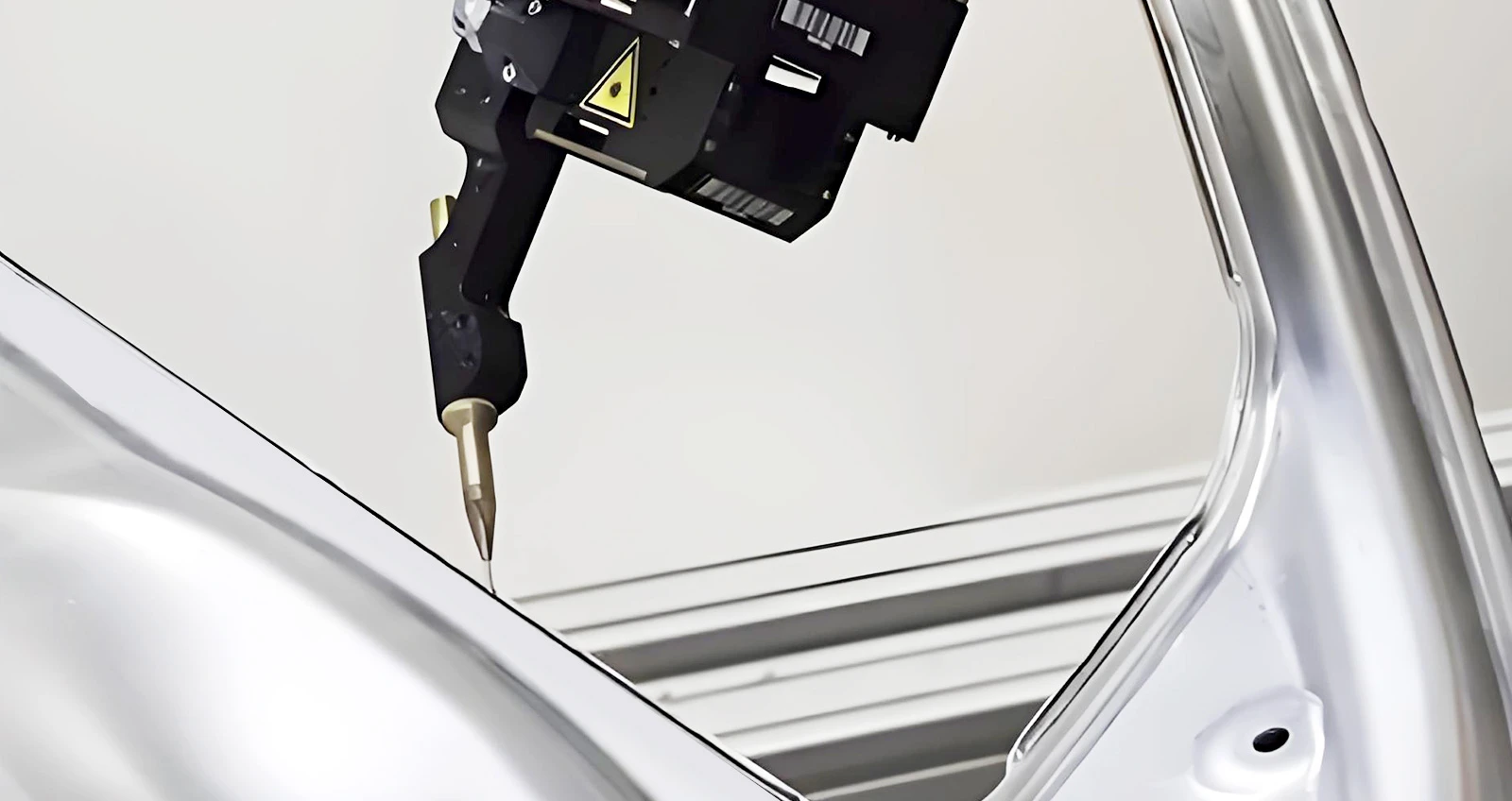
Advantages of Laser Brazing
- High-speed and High-precision ProcessingHigh processing efficiency: The laser energy is highly concentrated, and the welding speed is fast (it can reach dozens of meters per minute), which is suitable for mass continuous production and significantly improves the processing efficiency.Micron-level precision control: The diameter of the focused spot is small (it can reach the micron level), which accurately locates the welding area and is especially suitable for the precision processing of miniature parts and complex structures.
- Small Heat-affected Zone, Reducing Welding DeformationLow heat input characteristic: Non-contact local heating, and the width of the heat-affected zone is only 1/3 to 1/10 of that of traditional welding, effectively suppressing the deformation of the base metal and ensuring the dimensional stability of the workpiece.Rapid cooling and solidification: The instantaneous action of laser energy makes the molten pool solidify rapidly, reducing grain coarsening and residual stress, and improving the mechanical properties of the weld seam.
- Advantages of Automation and FlexibilityFull-process automation: Laser parameters (power, speed, path, etc.) can be programmed and controlled, and are compatible with robots or CNC systems to achieve unmanned production.Strong adaptability to complex working conditions: Multi-point synchronous welding is achieved through beam splitting technology, supporting flexible processing of long-distance, narrow space, and irregular workpieces.
- Wide Material CompatibilityFull coverage of metal materials: It can weld common metals such as stainless steel, aluminum alloy, copper alloy, galvanized sheet, etc., and is compatible with the connection of dissimilar materials (such as metal and ceramic).Universality for thin and thick plates: It has a wide applicable thickness range. There is no risk of burn-through when welding thin plates (0.1mm), and reliable connection of thick plates can be achieved through the wire filling process.
- Outstanding Environmental Protection and CleanlinessNo consumable pollution: No flux or shielding gas is required (except for some processes), reducing the emission of waste residues and exhaust gases and meeting the green manufacturing standards.Low energy consumption characteristic: The energy utilization rate is high (it can reach 5-10 times that of traditional welding), the comprehensive energy consumption is low, and the production cost is reduced.
Application Fields of Laser Brazing
Laser brazing is widely used in fields such as electronic products, automobile manufacturing, aerospace, medical devices, etc., and is especially suitable for the needs of high-precision and high-strength connections, such as the assembly of electronic components and the brazing of precision equipment.
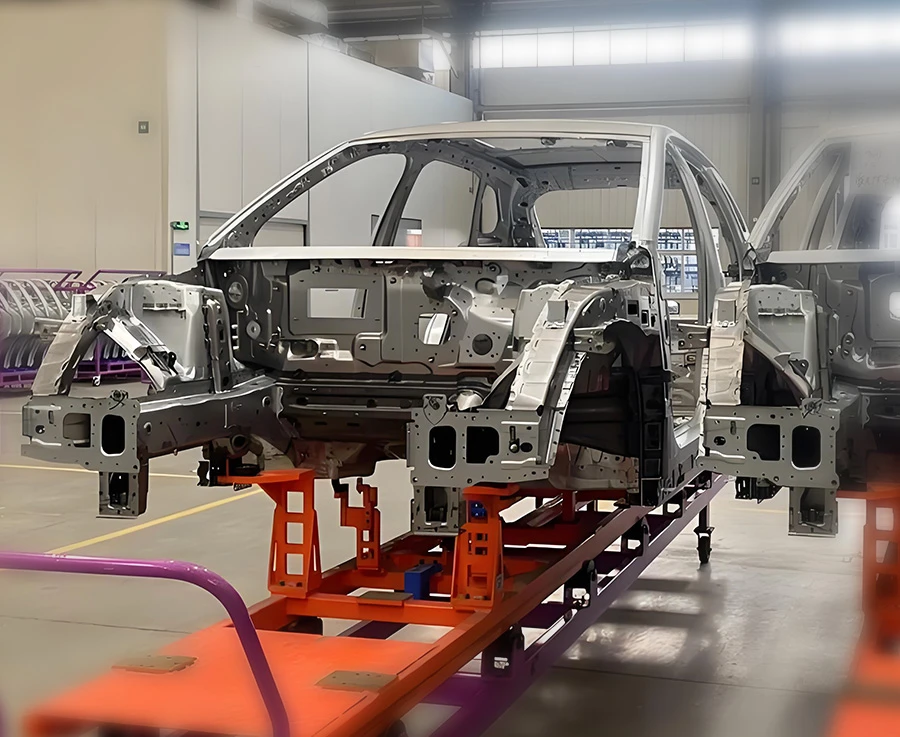
Automobile Roof Brazing
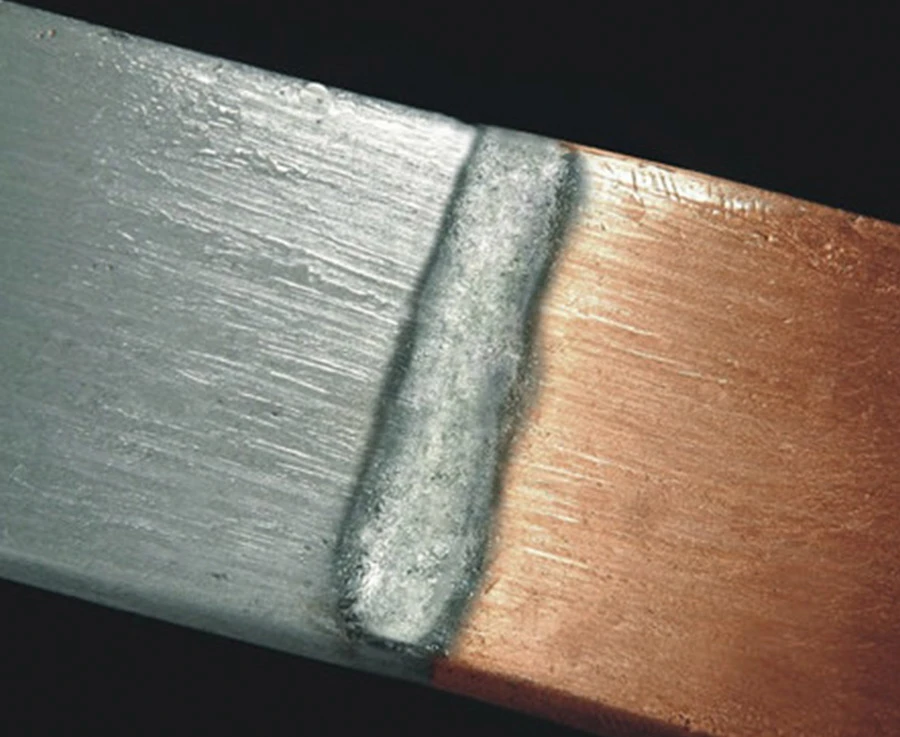
Copper-Aluminum Brazing
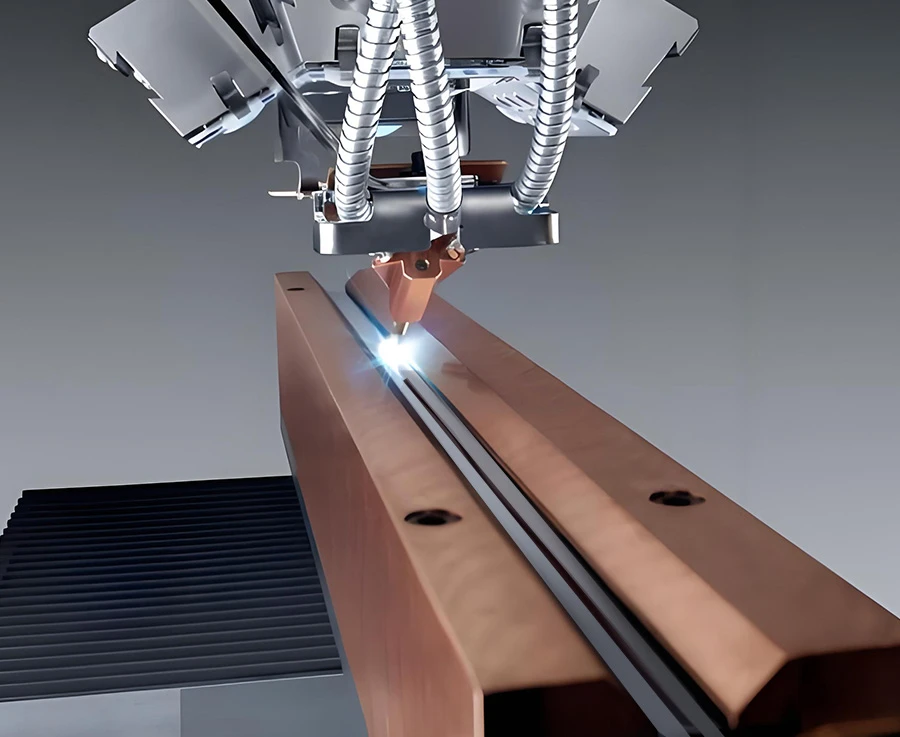
Laser Brazing
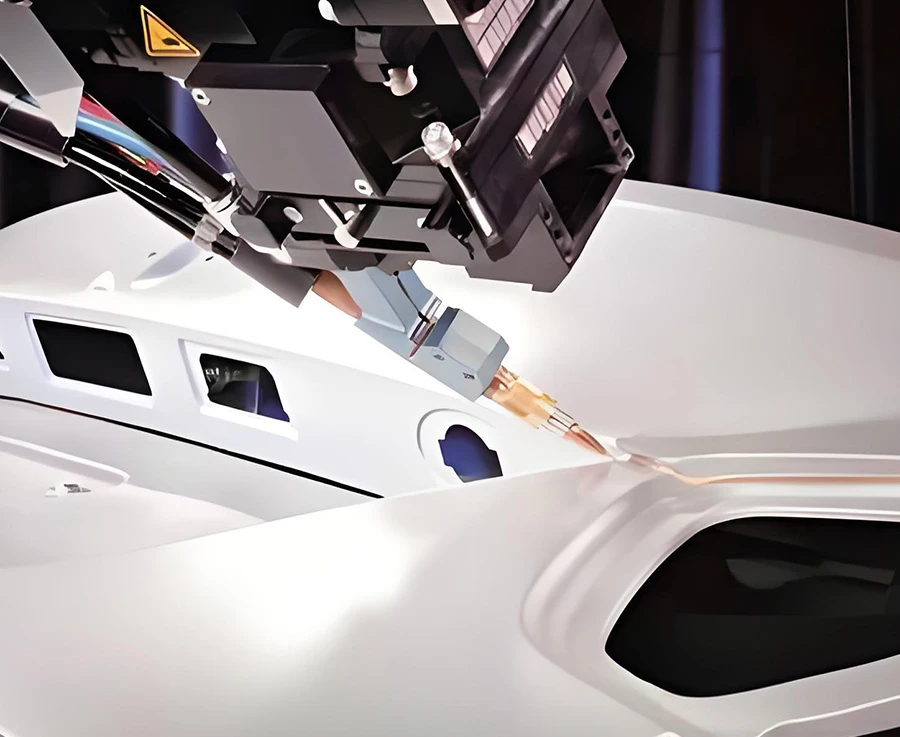
Body brazing

Aerospace
- Automobile Roof Brazing
- Copper-Aluminum Brazing
- Laser Brazing
- Body brazing
- Aerospace
Laser Brazing
Laser brazing is a non-melting welding technology that realizes the connection of materials through a high-energy laser beam. Its core principle lies in precisely controlling the heat input to promote the metallurgical bonding between the brazing filler metal and the base metal.
Laser brazing realizes a process closed loop of "brazing filler metal melting - base metal wetting - metallurgical bonding" through precise energy control, and has the characteristics of high efficiency, low deformation, and excellent joint performance. It is one of the key technologies in the field of precision manufacturing.
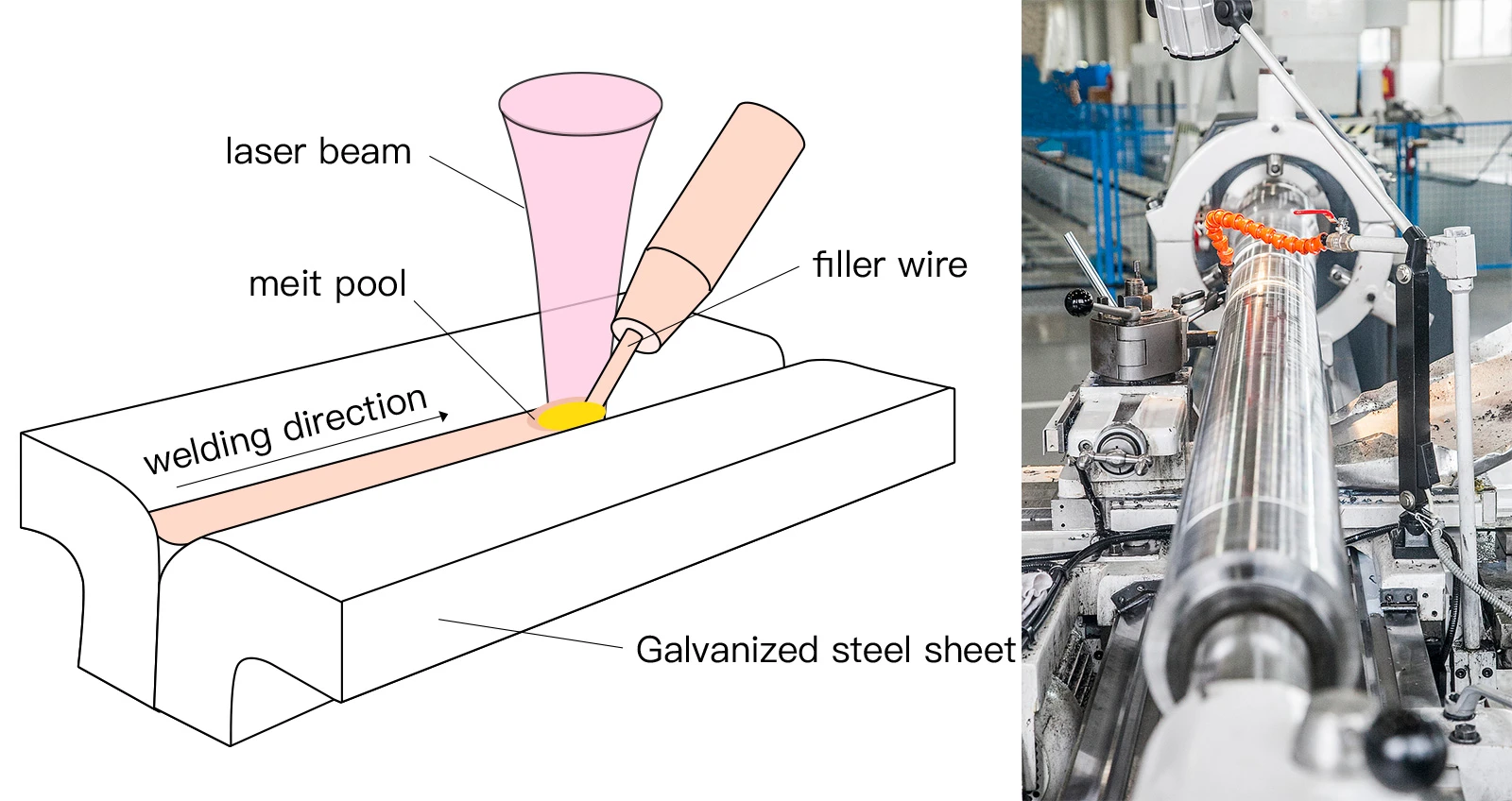
Advantages Comparison between Traditional Brazing and Laser Brazing
Traditional additive manufacturing focuses on the construction of shapes "from nothing to something", while laser additive manufacturing achieves a performance breakthrough "from something to something better", jointly promoting the digitalization and flexibility upgrading of the manufacturing paradigm.
Flame Brazing
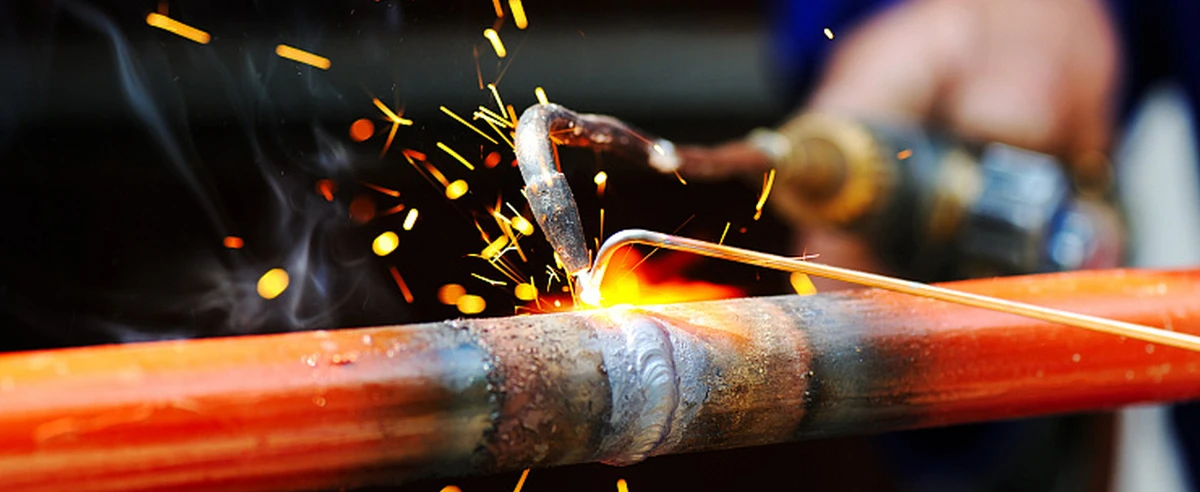
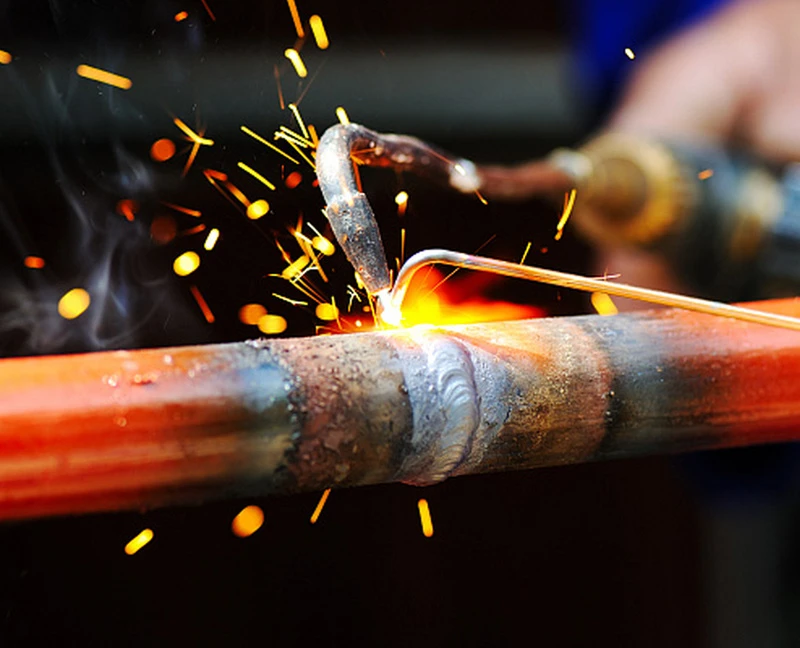 Flame brazing generates a high-temperature flame by burning gas, heats the brazing filler metal to its melting point, and then fills it into the gap of the metal joint through capillary action. The heat-affected zone is relatively large, which may lead to deformation or oxidation, and it requires a high level of technical skills from the operator.
Laser Brazing
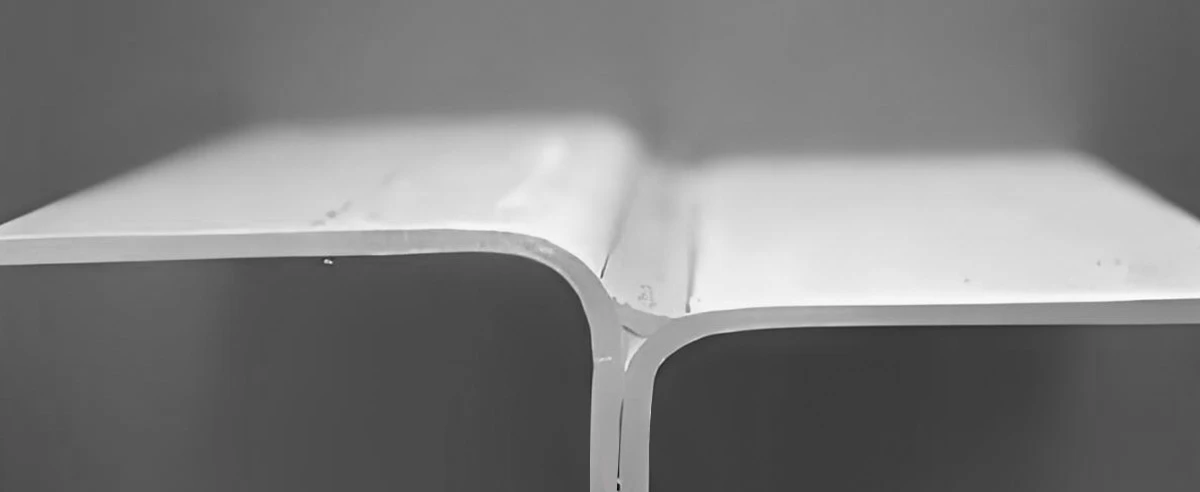
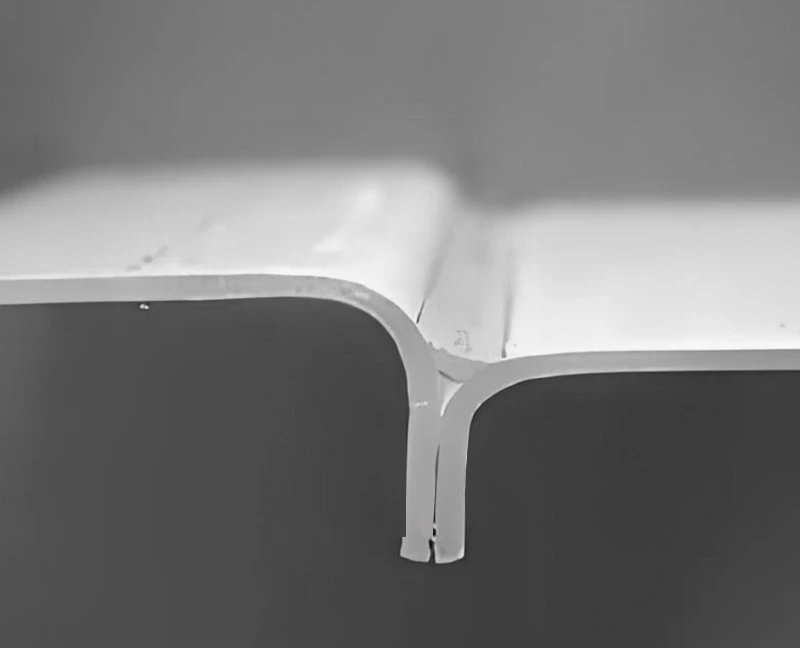 Laser brazing heats up extremely quickly, and the heat conduction distance is short. Therefore, the heat-affected zone is small, which can reduce the impact on the surrounding materials and is especially suitable for the welding of thin-walled metals or precision components.

Resistance Brazing
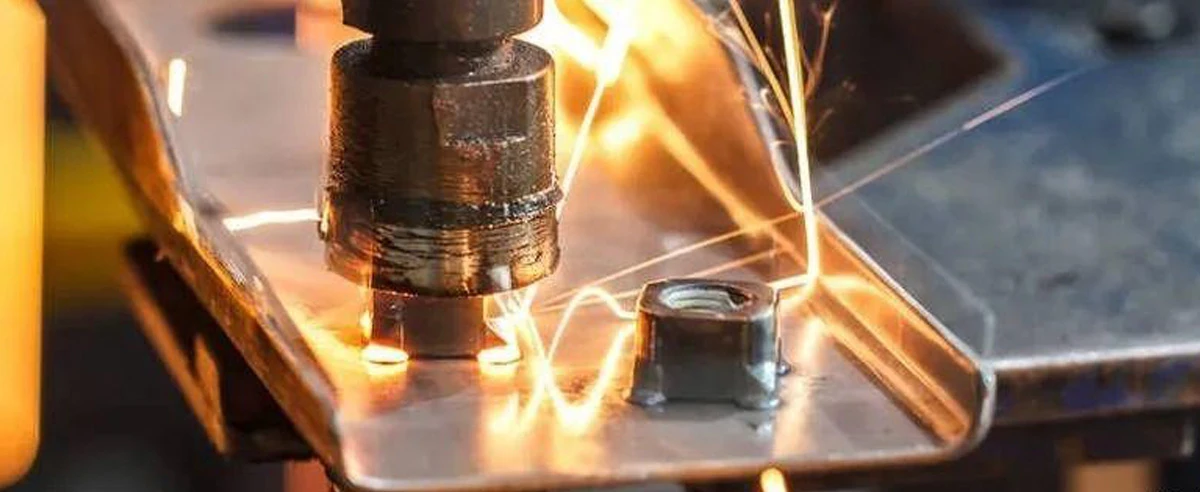
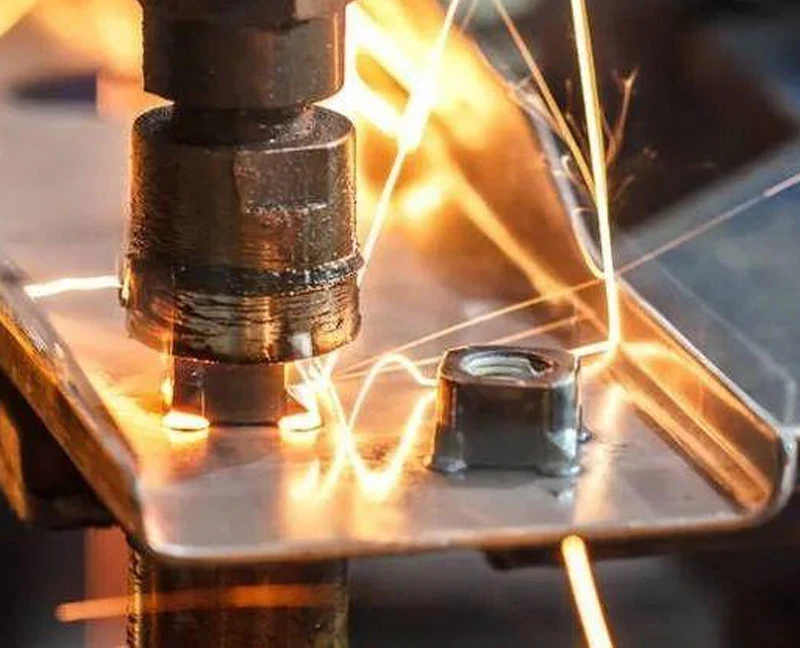 Resistance brazing heats the brazing filler metal to its melting point by generating resistance heat when an electric current passes through two metal joints. Its applicability to materials is limited, especially for metals with low electrical conductivity or high melting points. Moreover, the equipment cost is relatively high, and the adjustment process is also relatively complicated.
Laser Brazing
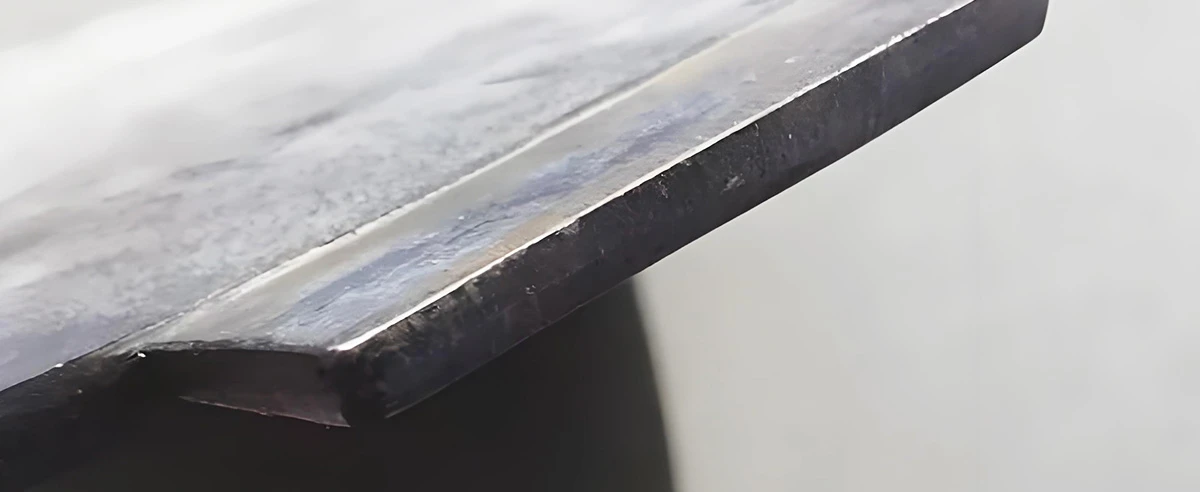
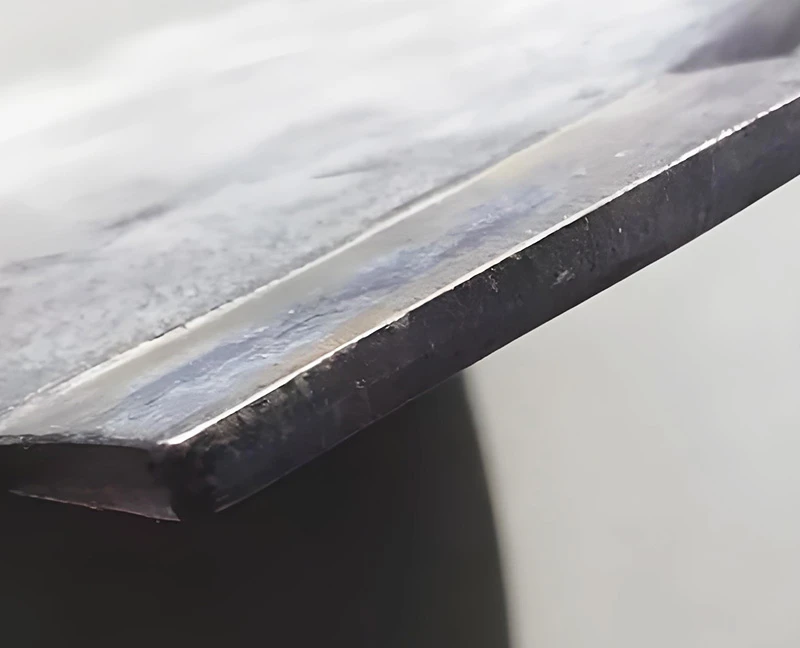 Laser brazing is applicable to a variety of materials, including metals, ceramics, etc., and can be flexibly applied between different materials and thicknesses. It can be combined with automated equipment for precise control and remote operation, improving production efficiency and safety.
Furnace Brazing
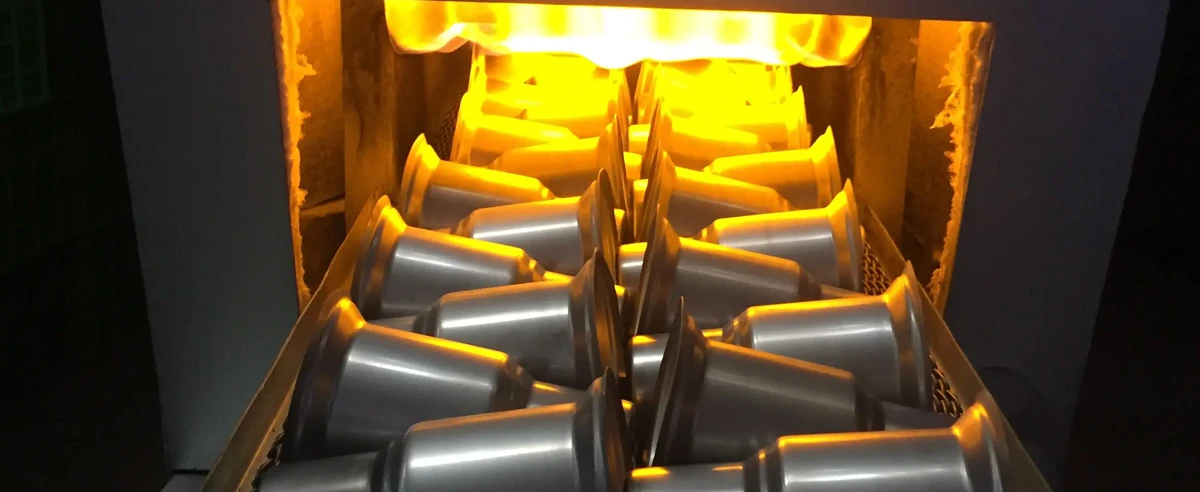
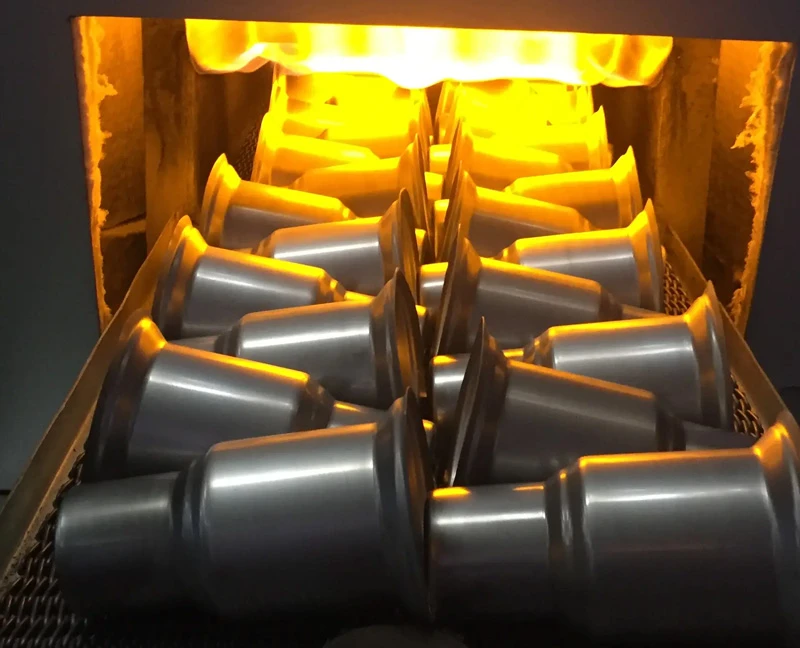 Furnace brazing requires a certain period of time for heating and cooling, resulting in a longer production cycle and lower efficiency. For high-precision local welding, especially for small-scale precise connections, it may not meet the requirements.
Laser Brazing
 Laser brazing can accurately control the heat source and is suitable for high-precision local welding, especially for the welding of small-scale and miniature components. It heats up quickly and cools down rapidly, making it suitable for rapid production and improving production efficiency.

 0