
What is laser cladding?
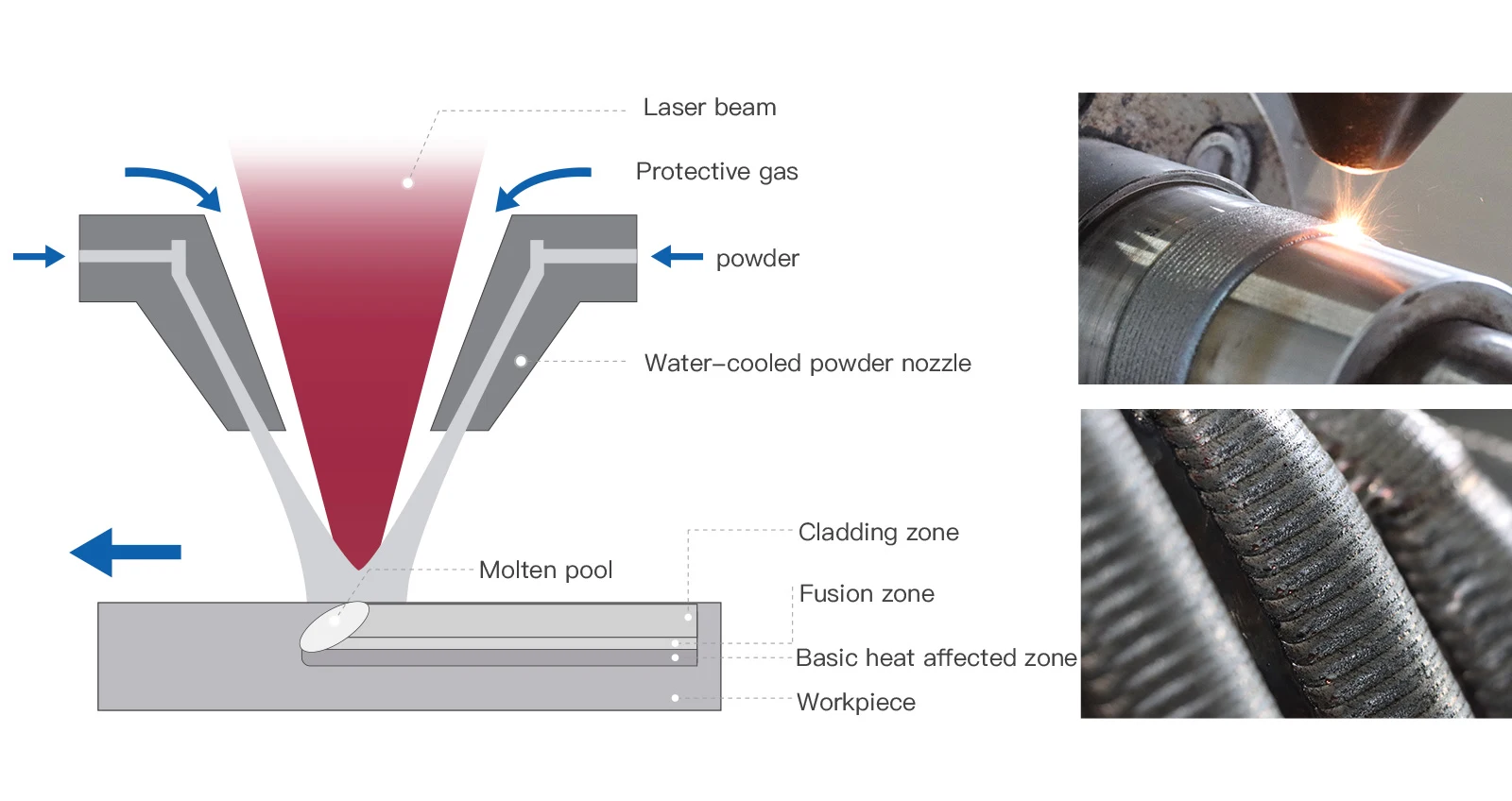
Laser cladding technology is a surface modification technology for parts. In essence, it supplies cladding materials to the surface of the base material using the pre-placed powder method or the synchronous powder feeding method, and under the action of a high-energy density laser beam, it quickly melts, spreads, and rapidly solidifies to form a surface layer with an extremely low dilution rate and a metallurgical bond with the substrate. This repairs the defects and improves the wear resistance, corrosion resistance, heat resistance, oxidation resistance, and other properties of the base surface.
Core Features of Laser Cladding Technology
- Strong Metallurgical Bond, Low Dilution RateThe cladding layer and the substrate form a high-strength connection through metallurgical bonding. The bonding force far exceeds that of traditional processes, and the dilution rate can be controlled below 5%, reducing the performance loss of the base material.
- Rapid Cooling, Superior PerformanceThe cooling rate reaches 10 ^ 6 K/s, forming fine crystalline or amorphous structures, with the highest hardness and increased wear resistance by more than 20 times
- Flexible Process, Wide ApplicationSupports synchronous powder feeding (automation, high precision) and pre-placed powder feeding (suitable for complex shapes). It can repair precision components such as blind holes and pits.
- Environmentally Friendly, Efficient, Energy-Saving and Time-SavingNo noise, dust, or harmful emissions. The energy consumption is 50% lower than that of traditional processes
- Automated Precision ProcessingSmall heat-affected zone, workpiece deformation is less than 0.1mm, suitable for thin-walled parts or high-precision requirements
Application Scenarios of Laser Cladding
Laser cladding technology has the advantages of automated repair, metallurgical bonding between the repair layer and the substrate, high strength, low heat input, small part deformation, and precise and controllable repair size. It has no pollution to the environment, and the service performance after repair is greatly improved. This technology has been successfully used in the repair of major and key components such as oil transportation equipment, metallurgical rolls, and generator sets, achieving significant economic and social benefits.
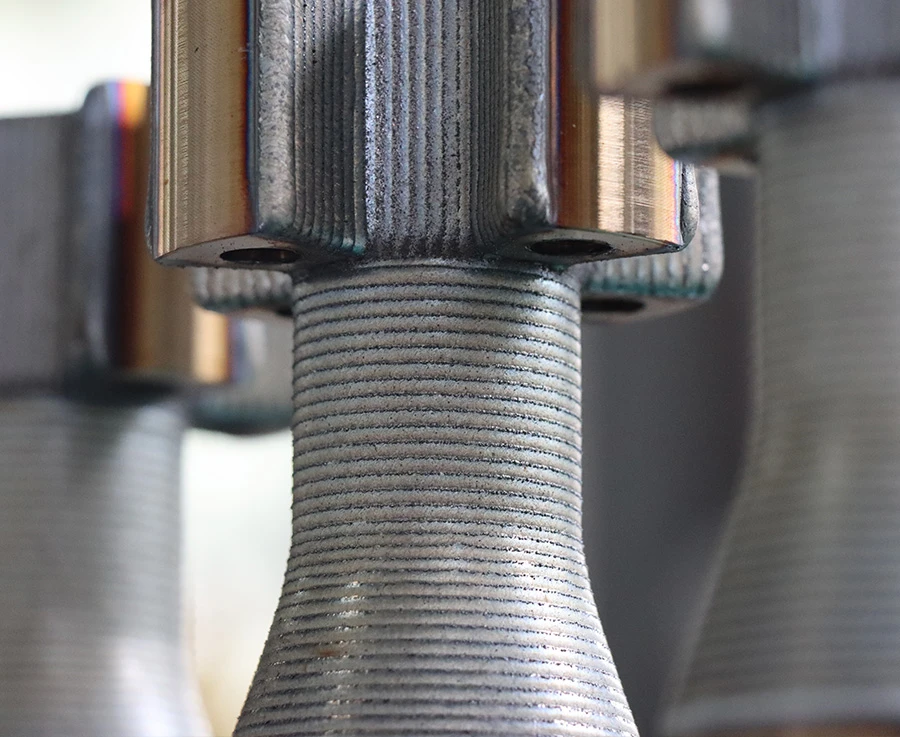
Metallurgical Industry
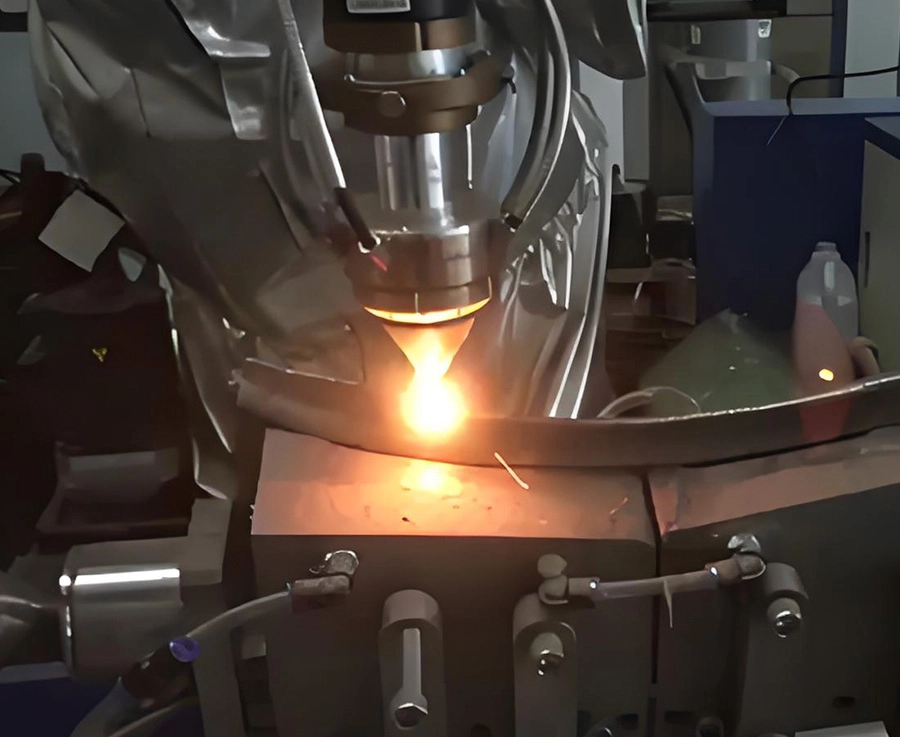
Metal Edge of Engine Blades
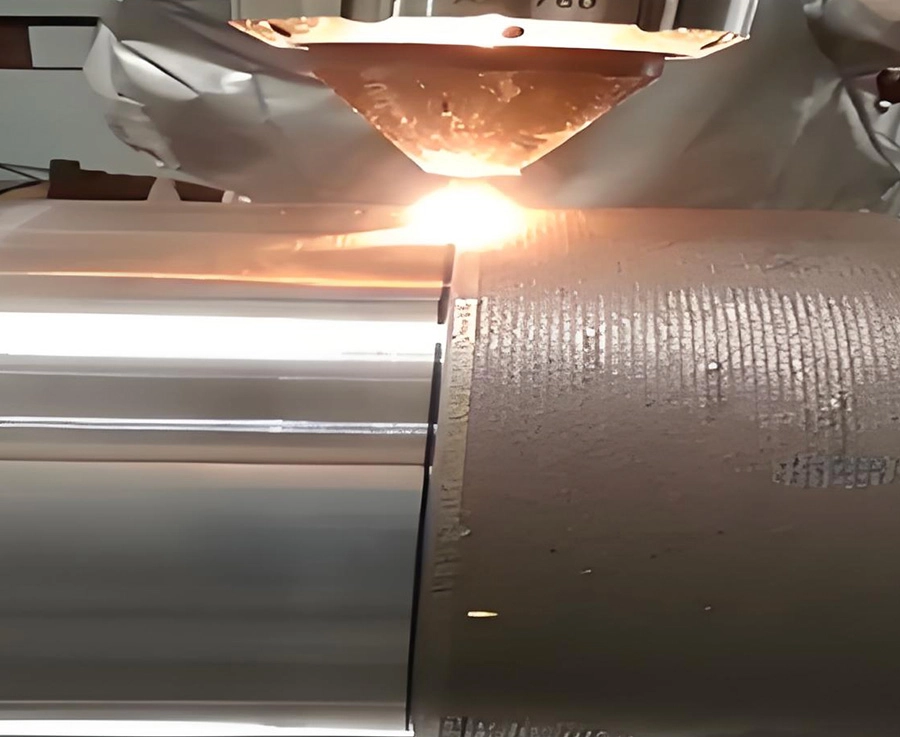
Inspection of Aircraft Landing Gear Actuators
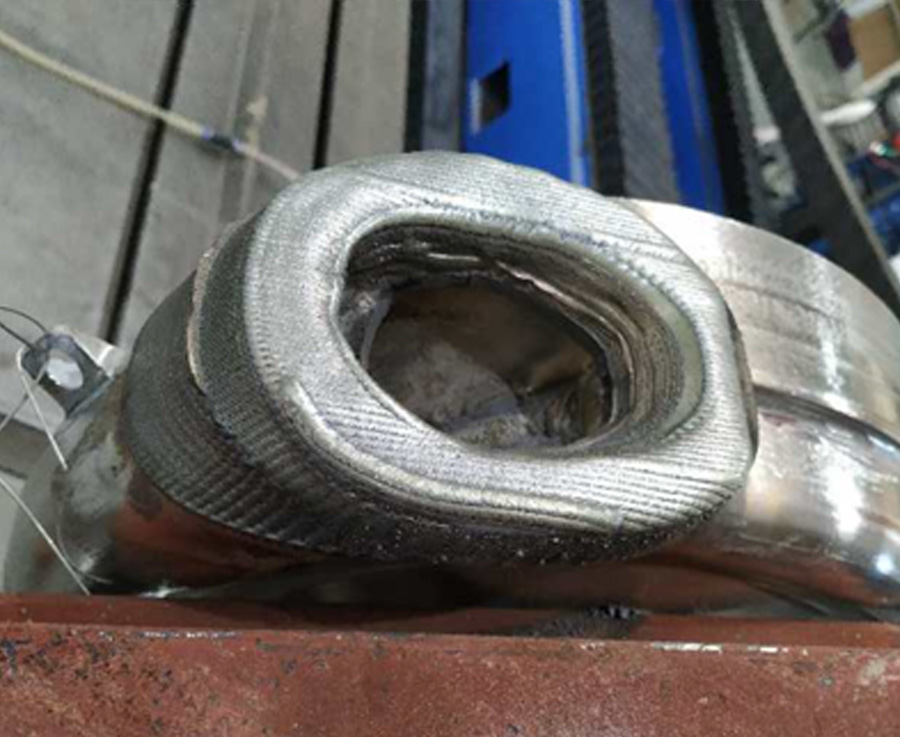
Nuclear-Grade High-Pressure Turbine Pump Housing
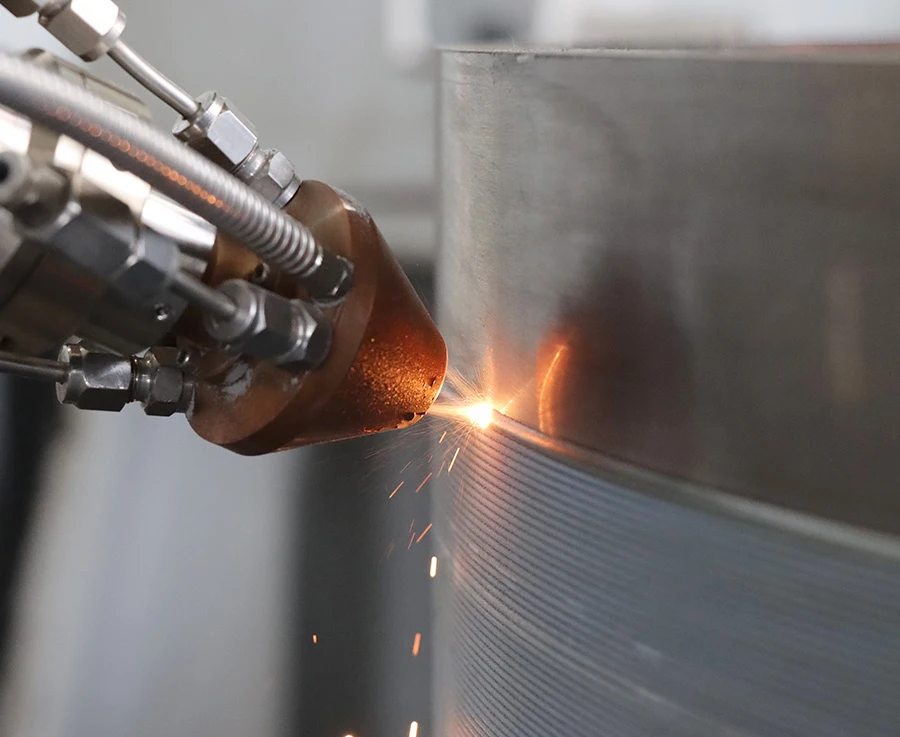
Laser Cladding
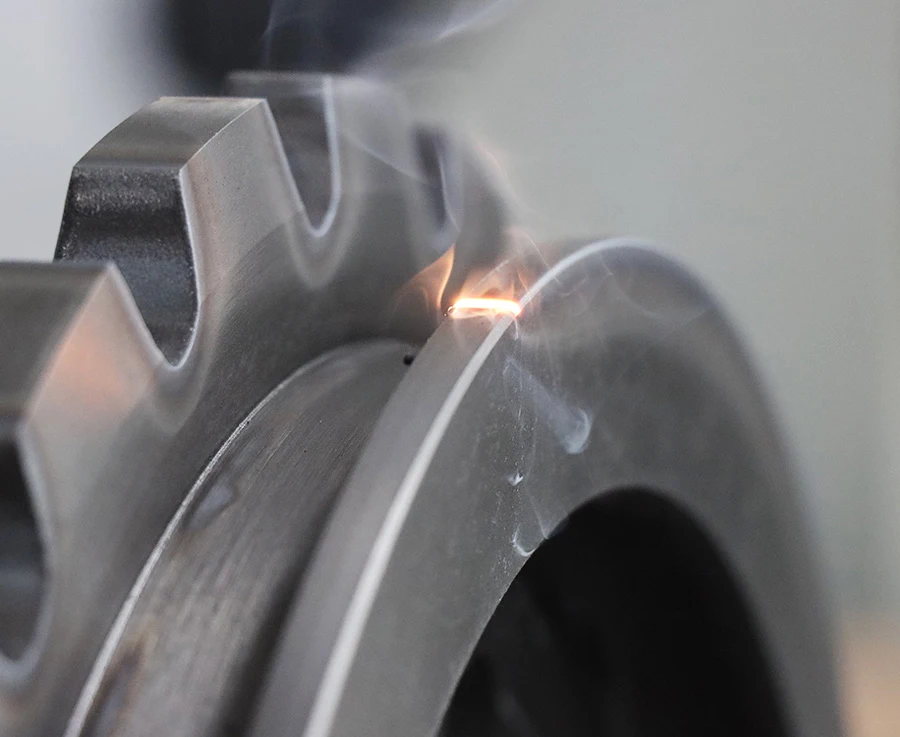
Laser Cladding
- Metallurgical Industry
- Metal Edge of Engine Blades
- Inspection of Aircraft Landing Gear Actuators
- Nuclear-Grade High-Pressure Turbine Pump Housing
- Laser Cladding
- Laser Cladding
Principle of Laser Cladding
Laser cladding achieves the surface strengthening of materials through high-energy laser melting + rapid solidification, and has high bonding strength, customizable performance, and precision processing capabilities. It is widely used in industrial repair and the manufacturing of high-end components.
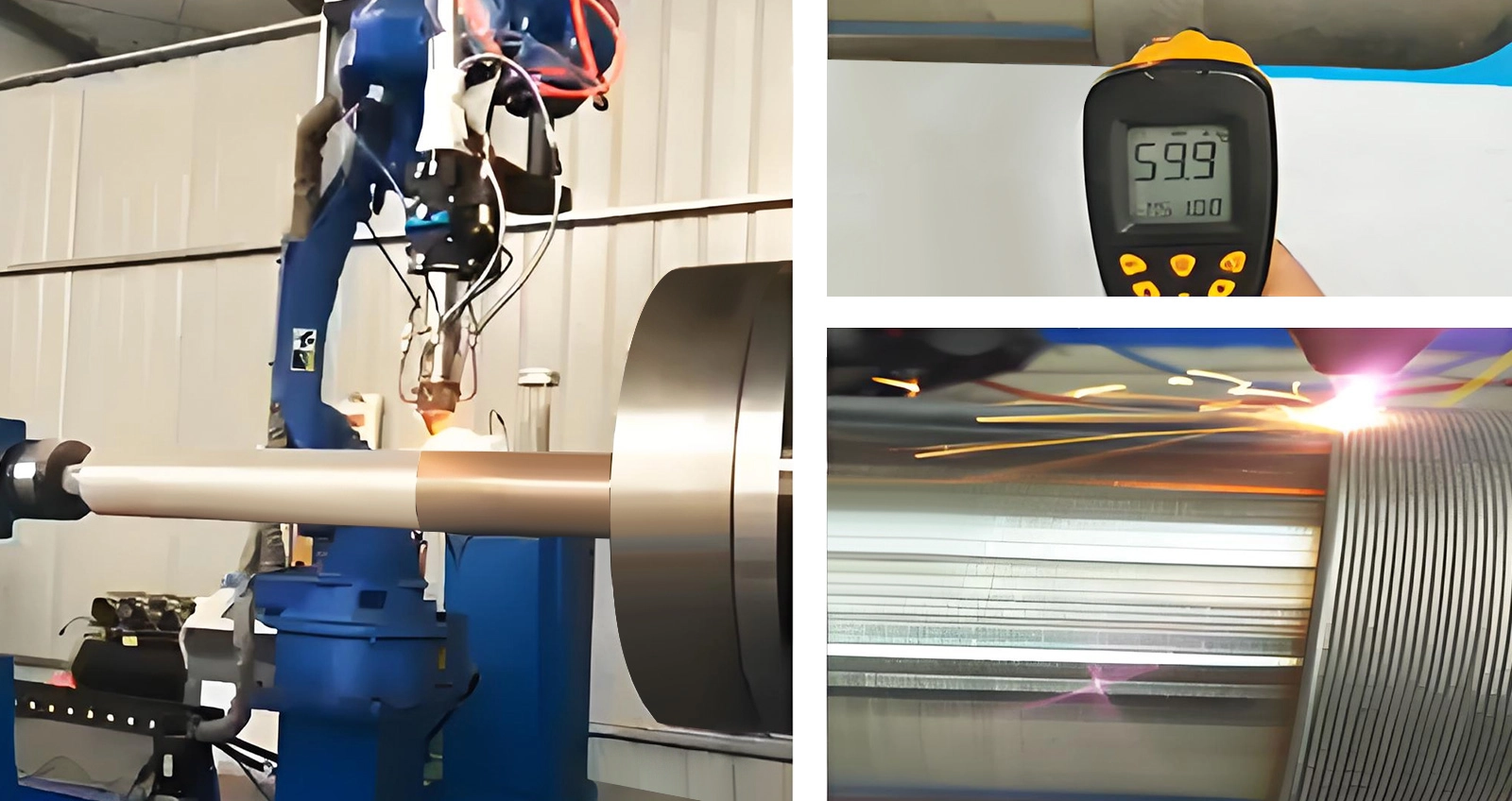
Typical application scenarios of GW Laser YLLS-Clad-6000-W laser
- Product Name: Hydraulic Pillar for Coal Mining Industry
- Laser: GW Laser YLLS-Clad-6000-W
- Process Method: Coaxial Powder Feeding, High-Speed Cladding, Line Speed > 10m/min
- Cladding Track Temperature: Approximately 60°C
- Product Name: Hydraulic Pillar for Coal Mining Industry
- Laser: GW Laser YLLS-Clad-6000-W
- Process Method: Coaxial Powder Feeding, Conventional Cladding, Line Speed: 1.0~1.5m/min
- Cladding Track Temperature: Approximately 800-900°C
Critical Factors Affecting Forming Quality
Unlike traditional metal subtractive or isochoric manufacturing techniques, metal additive manufacturing employs a point-by-point, layer-by-layer stacking approach. The forming process involves complex mass and heat transfer phenomena, and the precision, structure, and performance of the product are closely related to the metal additive manufacturing equipment, materials, and processes.
Key factors
- Equipment
- Materials
- Process
- Heat source parameters, motion parameters, control mode
- Material types, material shapes, material quality
- Forming parameters, forming principle, scanning strategy
Comparison of advantages between traditional cladding and laser cladding
Nowadays, to maintain market competitiveness, it is necessary to reduce costs, improve efficiency, and ensure stable part quality. However, traditional technologies cannot meet these requirements. More and more manufacturers are shifting from traditional cladding technologies.
Plasma Cladding
 After plasma spraying and cladding, the bonding strength is relatively low, and the coating is prone to peeling off.
Laser Cladding
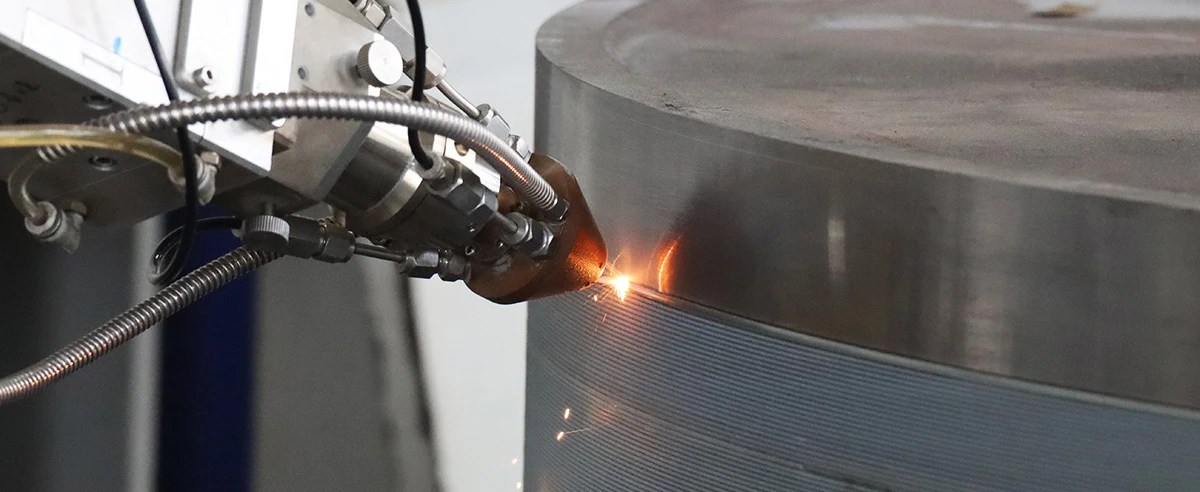
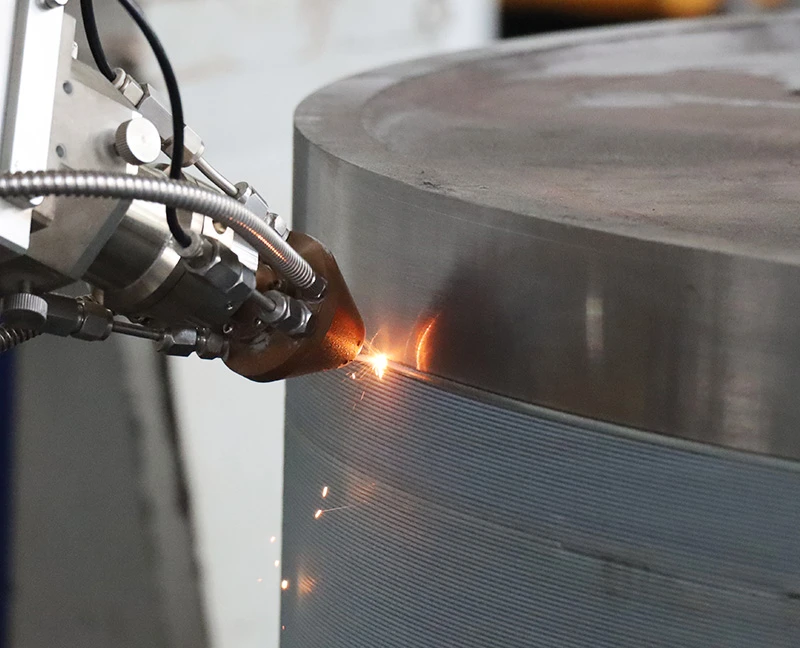 Laser cladding has advantages such as a low dilution rate, better processing flexibility, and a small thermal impact on the workpiece.

Thermal Spraying
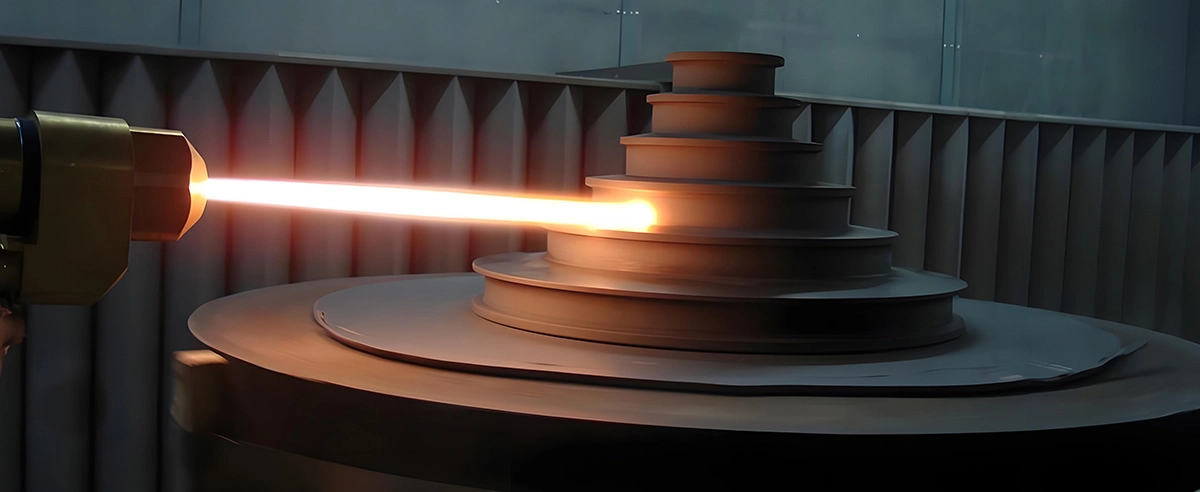
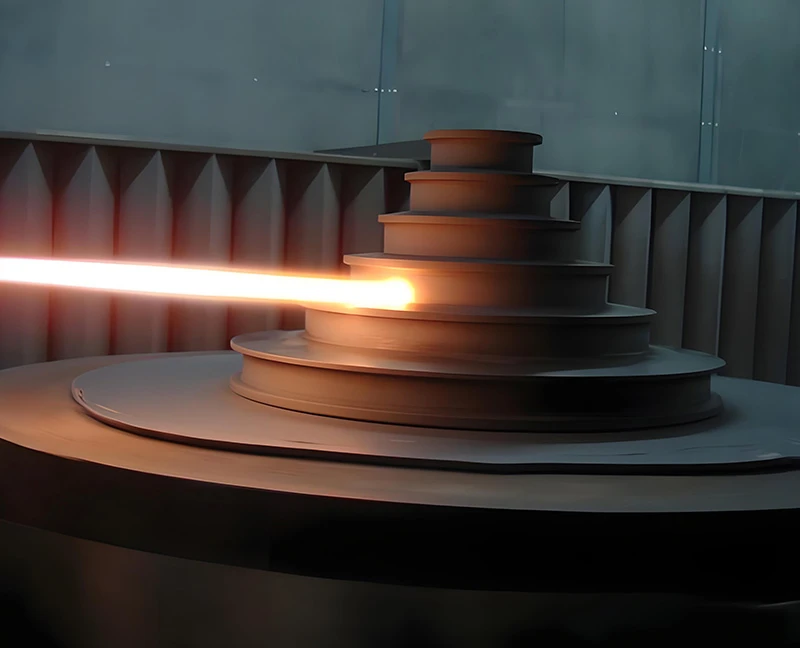 Although the deposition rate of the thermal spraying coating is high, the powder utilization rate is only 50%. The coating has a porosity of 1% to 2%, and corrosive media will corrode the substrate through these pores. Thermal spraying is likely to generate noise and dust pollution during operation, affecting the environment and the health of personnel.
Laser Cladding
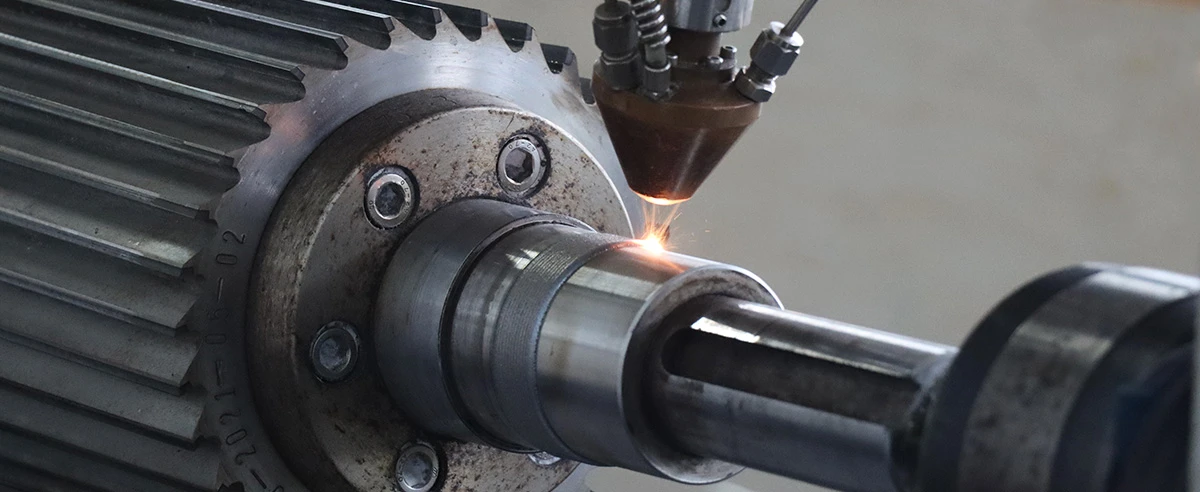
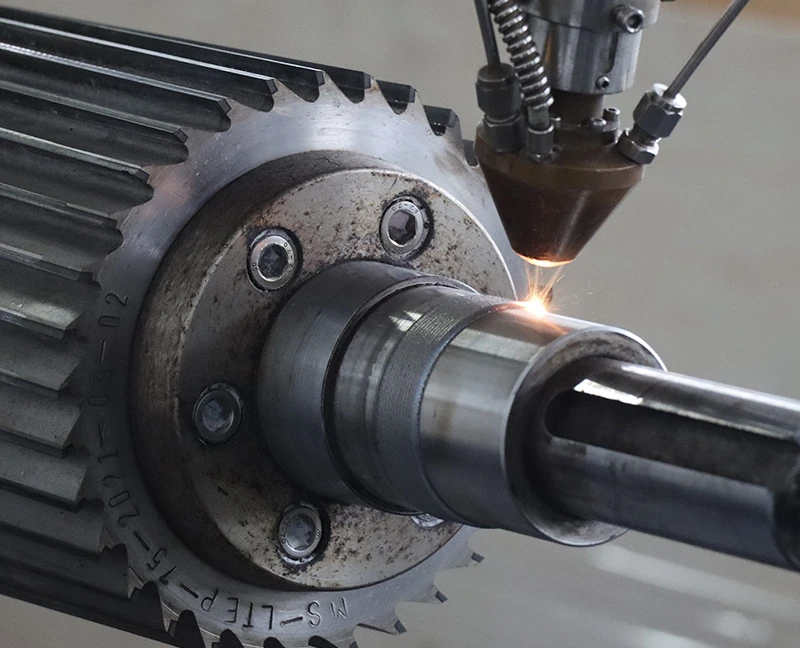 The coating prepared by high-speed laser cladding has a dense structure and no pores, and the coating and the substrate are metallurgically bonded, resulting in high bonding strength.
Overlay Welding
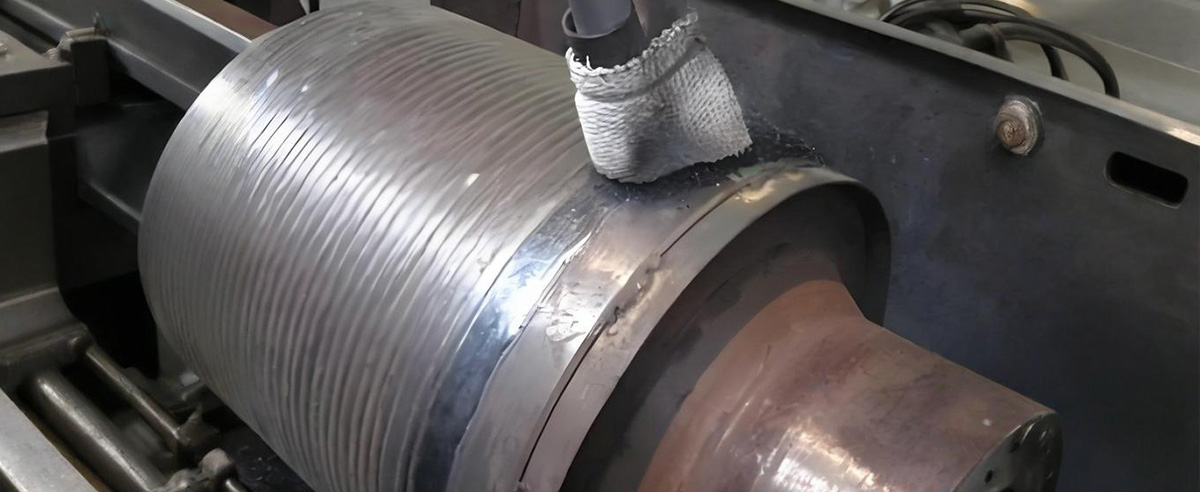
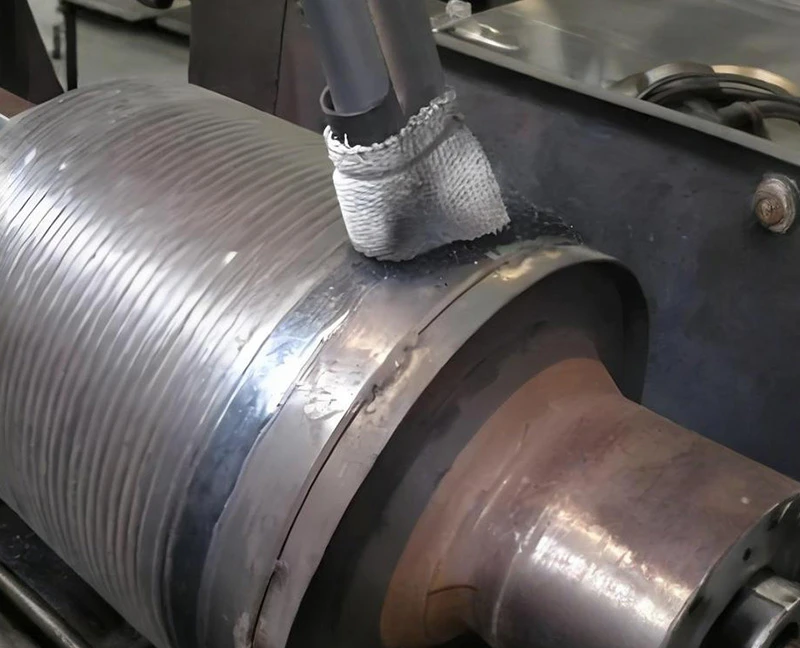 Overlay welding technology can prepare high-quality, defect-free metal coatings. High deposition efficiency, accompanied by high energy input, will induce changes in the microstructure properties and thermal damage of the base material.
Laser Cladding

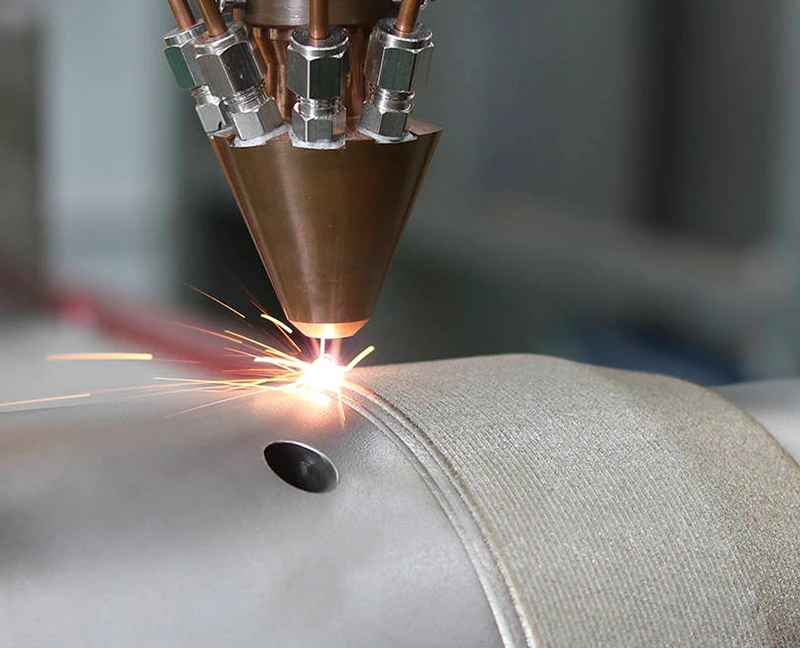 In the method of high-speed laser cladding, most of the energy is absorbed by the powder. Therefore, the heat input to the base material is low, and its heat-affected zone and thermal deformation are also relatively smaller, resulting in better cladding effects for thin-walled and thin-plate materials.

 0