
What is laser cleaning?
Laser cleaning refers to the process of using a high - energy laser beam to irradiate the surface of a workpiece, causing the dirt, rust, or coating on the surface to instantly evaporate or peel off. It can efficiently and rapidly remove the attachments or surface coatings on the cleaning object, thus achieving a clean surface. It is a new technology based on the interaction between laser and matter. Different from traditional mechanical cleaning methods, chemical cleaning methods, and ultrasonic cleaning methods (wet cleaning processes), it does not require any CFC - based organic solvents that damage the ozone layer. It is a "green" cleaning technology that is pollution - free, noiseless, and harmless to humans and the environment.
Typical applications of laser cleaning
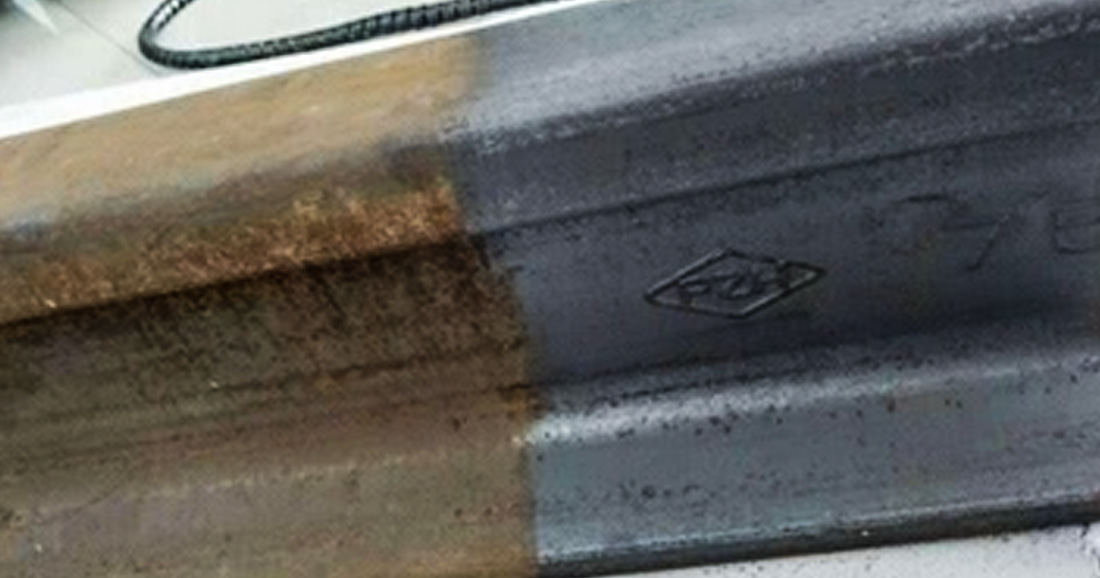
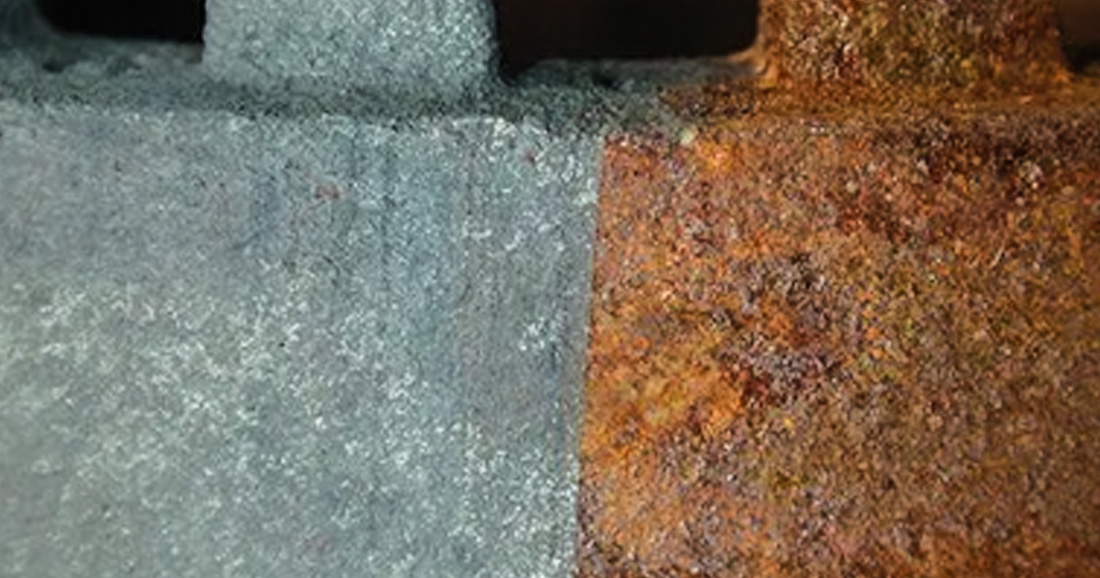
1. Selective evaporation
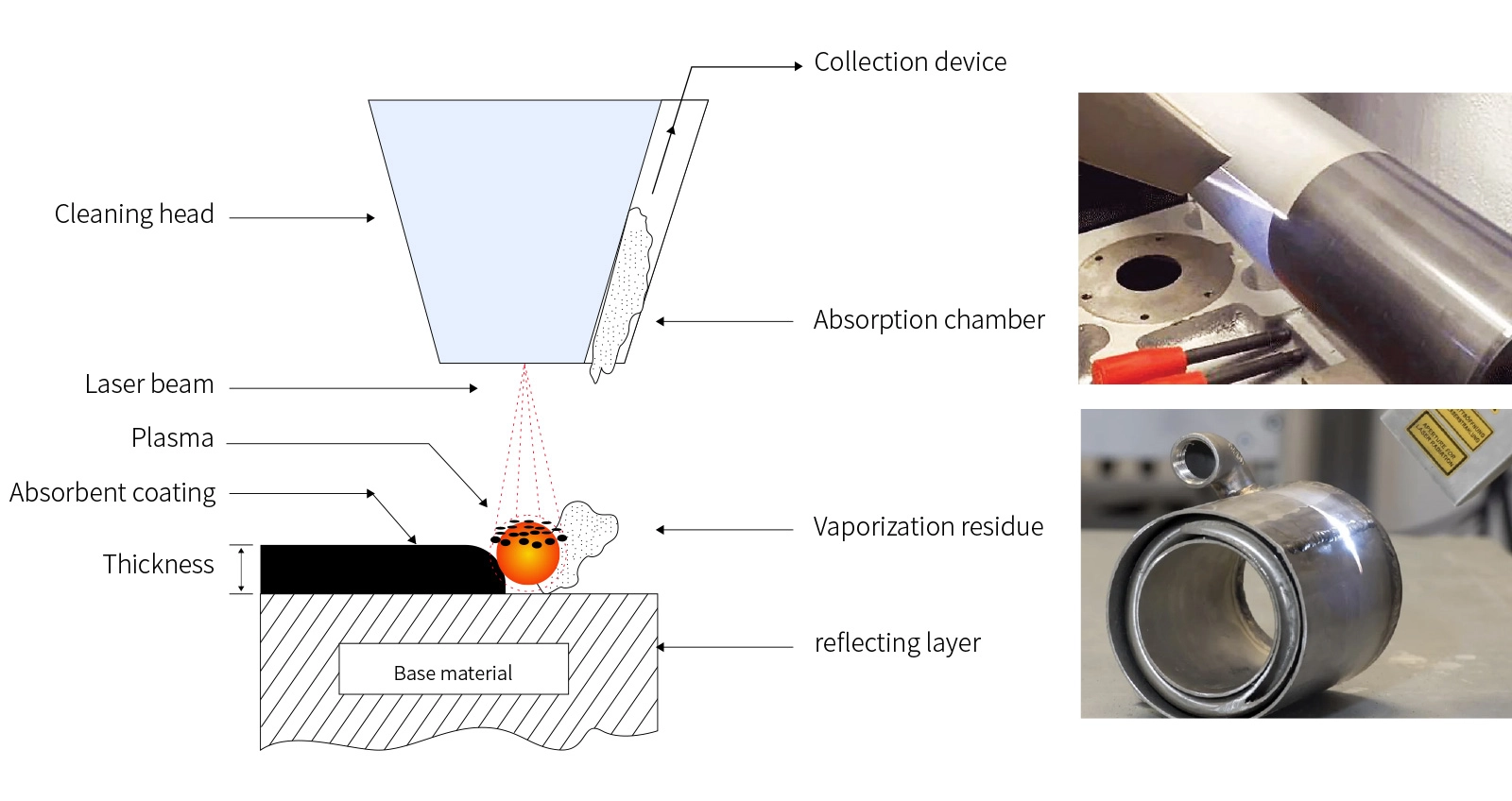
Different materials have different absorption rates for laser energy of a specific wavelength. When the absorption rate of the attachments on the material surface is greater than that of the substrate, laser irradiation can instantly raise the temperature of the attachments above the melting point and cause them to vaporize.
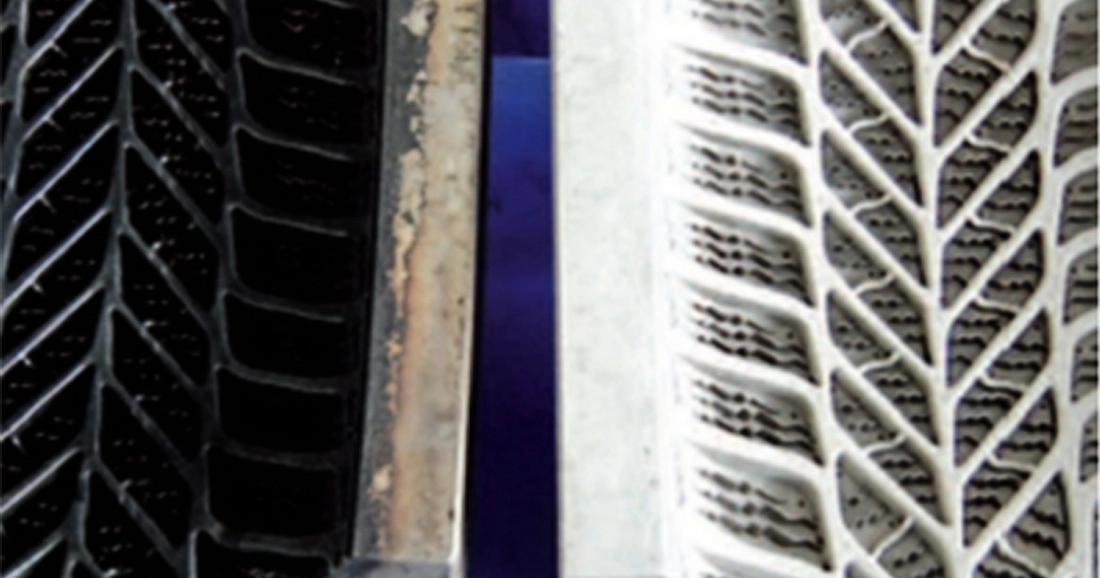
Tire mold cleaning
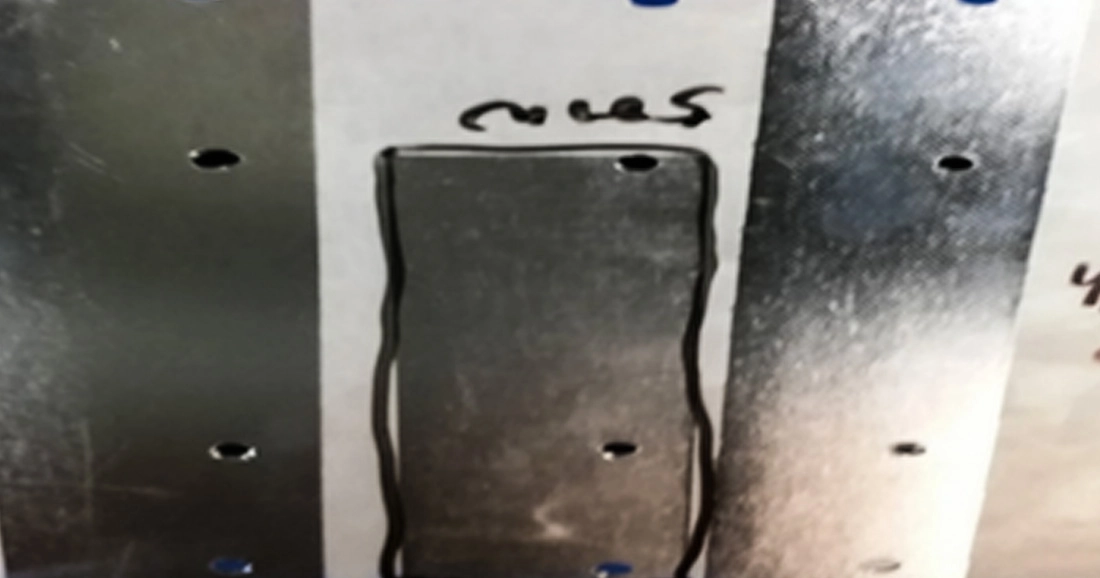
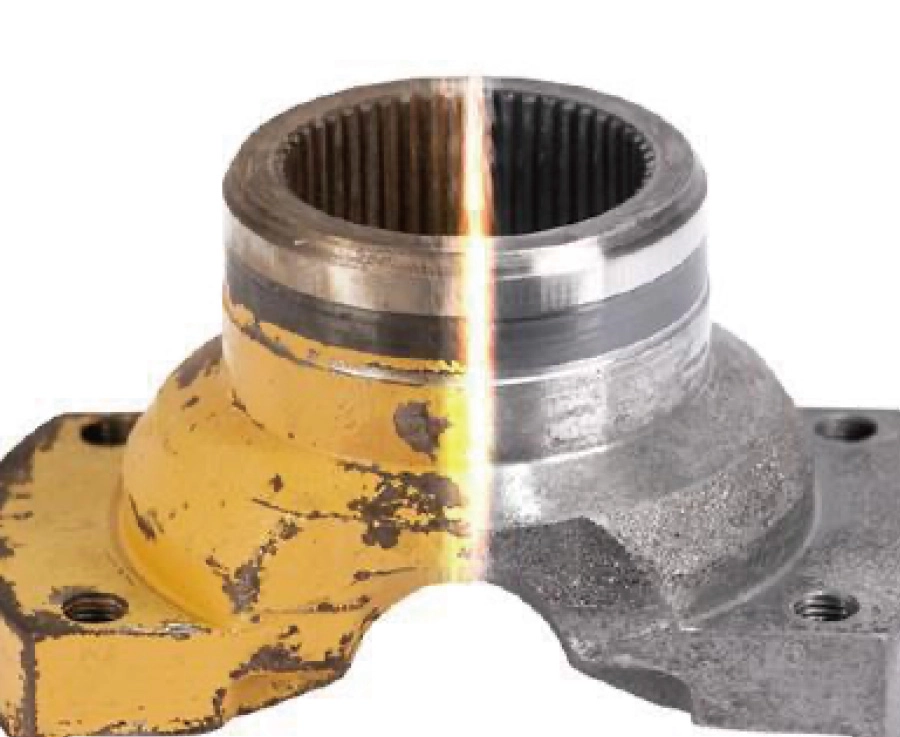
Laser paint removal
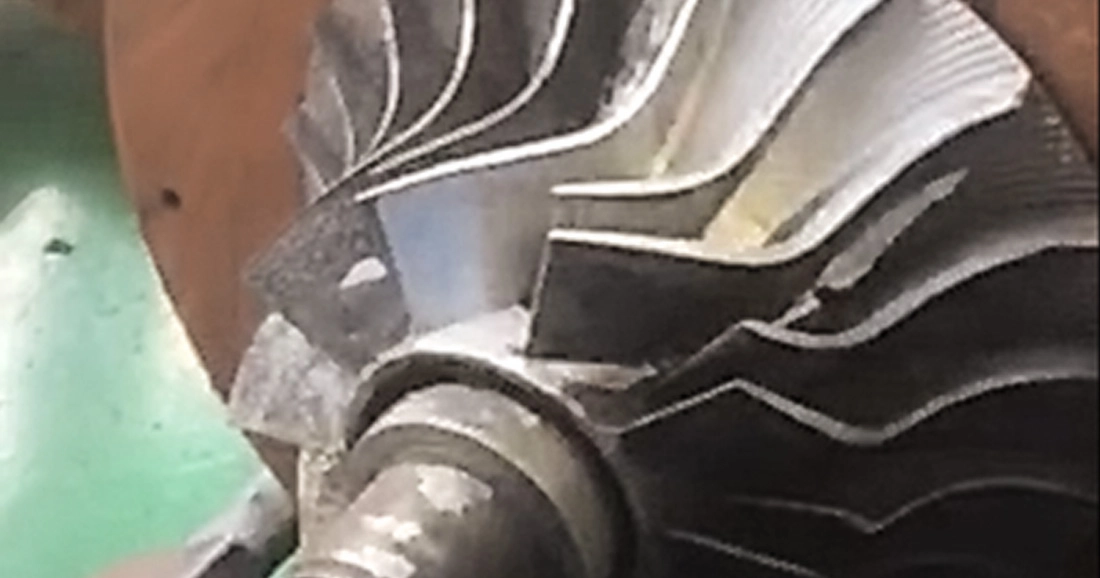
Carbon deposit cleaning
2. Instantaneous surface thermal effect
When a laser pulse scans the workpiece surface at high speed, the temperature in that area will rise instantaneously and then decrease, generating thermo - elastic pressure. Due to the different thermal expansion coefficients of the attachments and the substrate, the surface stress distribution is uneven, causing the attachments to peel off from the substrate.
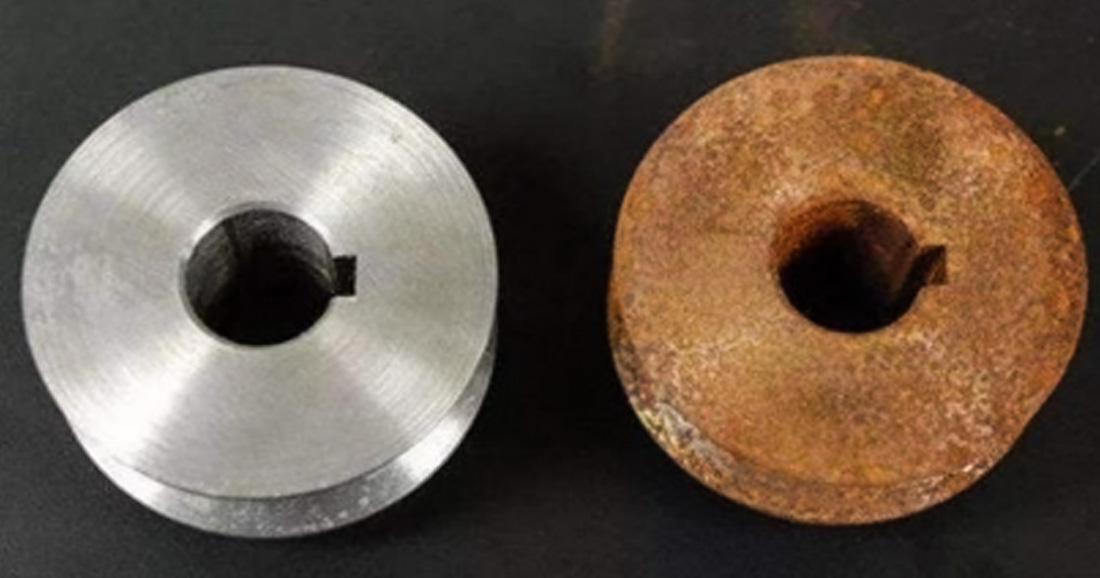
3. Impact effect
The high energy density of the pulsed laser vaporizes the attachments and creates an instantaneous high temperature around them. At the same time, it ionizes the vaporized substances to generate plasma. With continuous laser irradiation, the plasma generates high temperature and high pressure locally and further produces shock waves, causing the underlying material to be micro - compressed and fragmented. When the laser pulse stops, the plasma instantly creates a negative pressure, carrying away the attachment particles generated by compression.
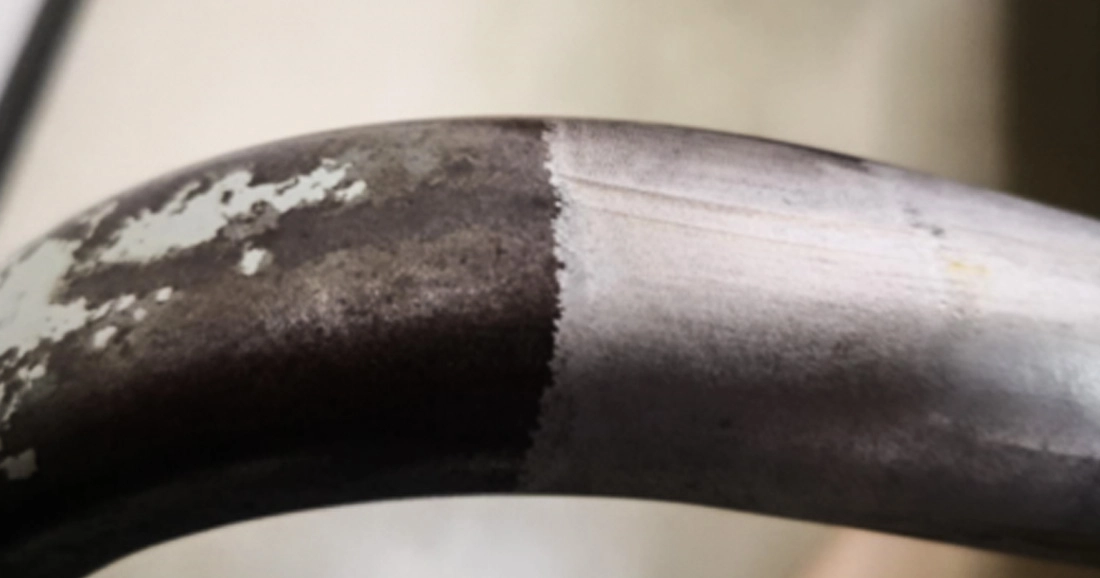
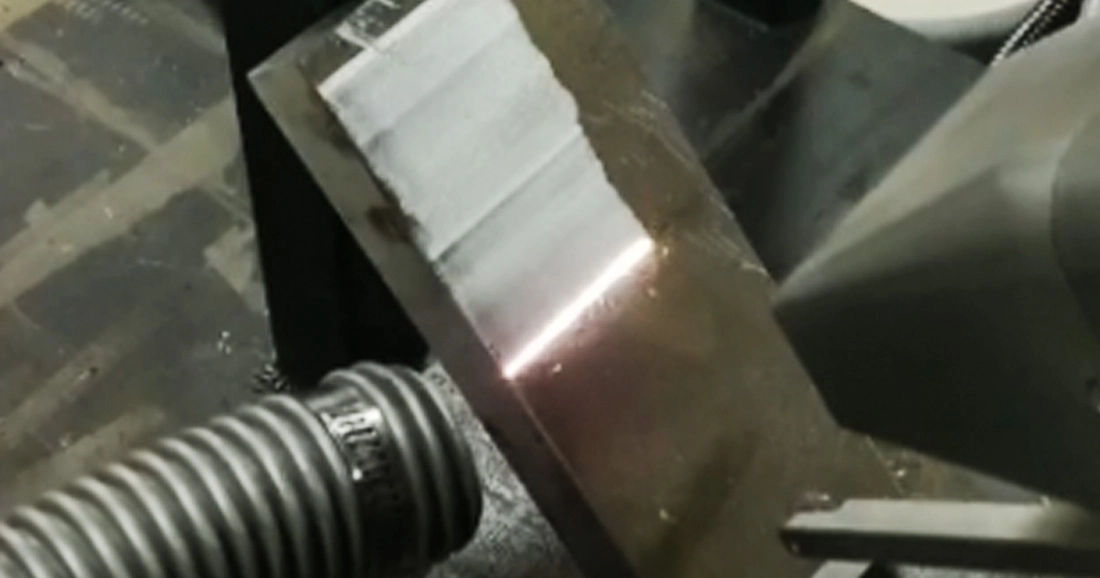
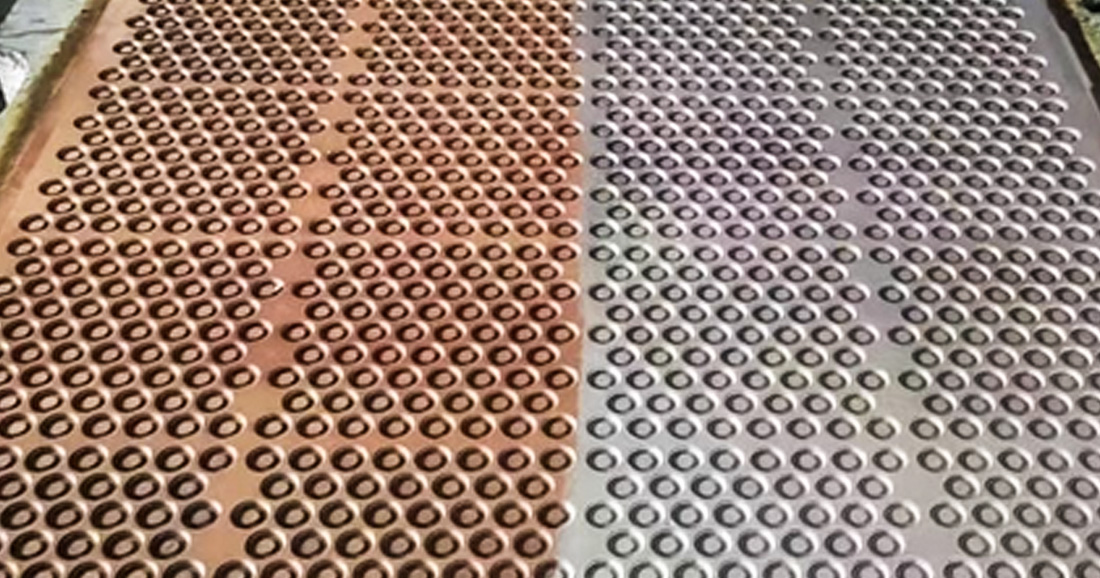
Application scenarios of laser cleaning
Laser cleaning is widely used in multiple fields such as industrial manufacturing, cultural heritage protection, electronics, aerospace, automotive, medical, energy, home appliances, jewelry, and mold manufacturing. With its non - contact, high - precision, and environmental - friendly characteristics, it has become an important technology in modern manufacturing and cultural relic protection.
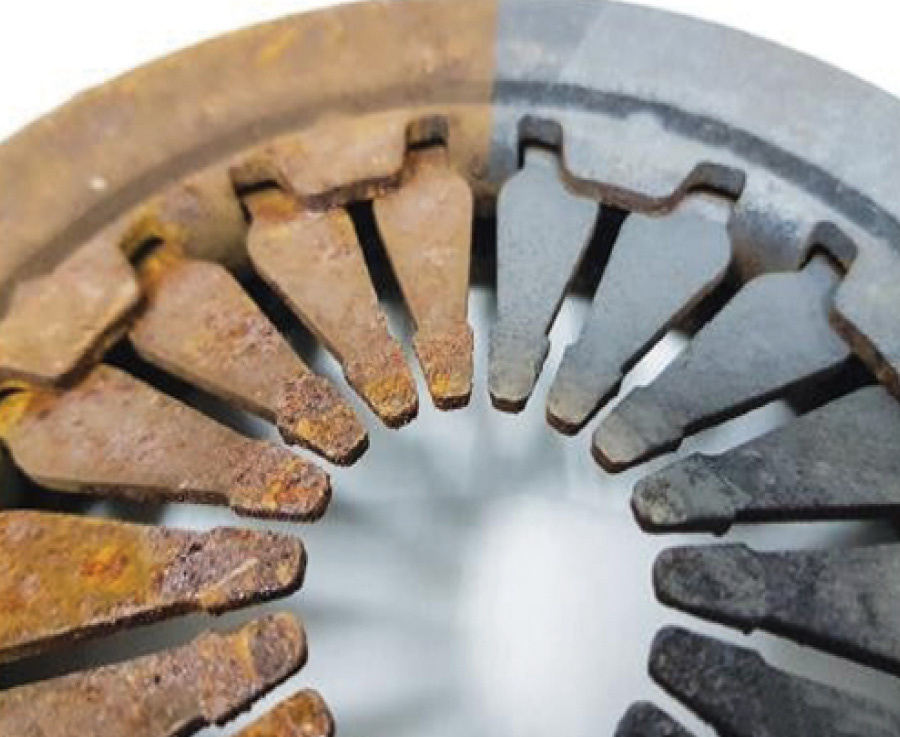
Laser cleaning
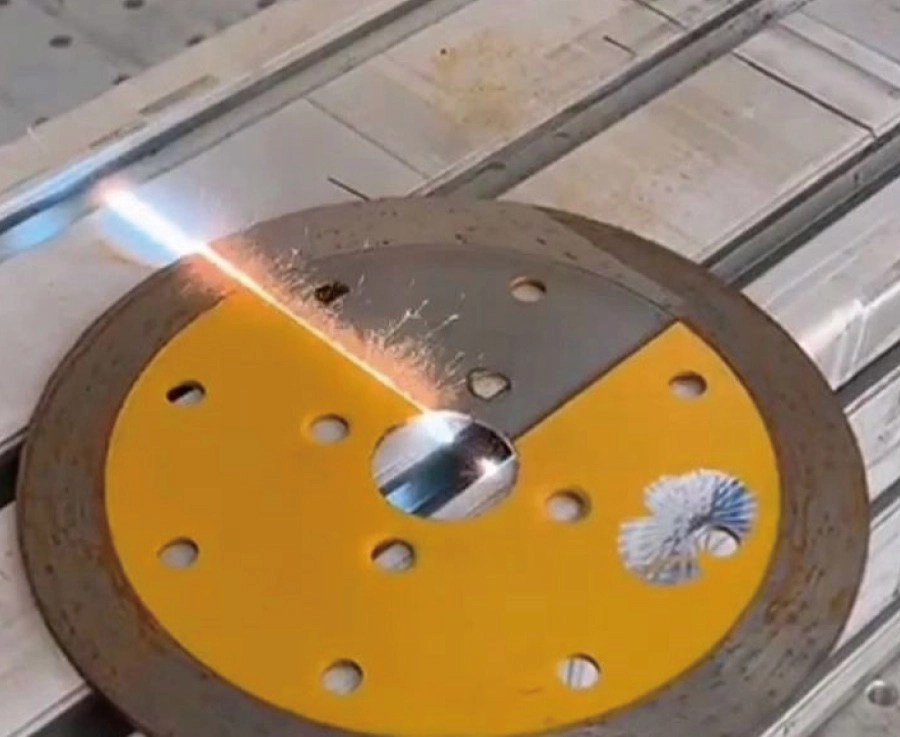
Paint cleaning
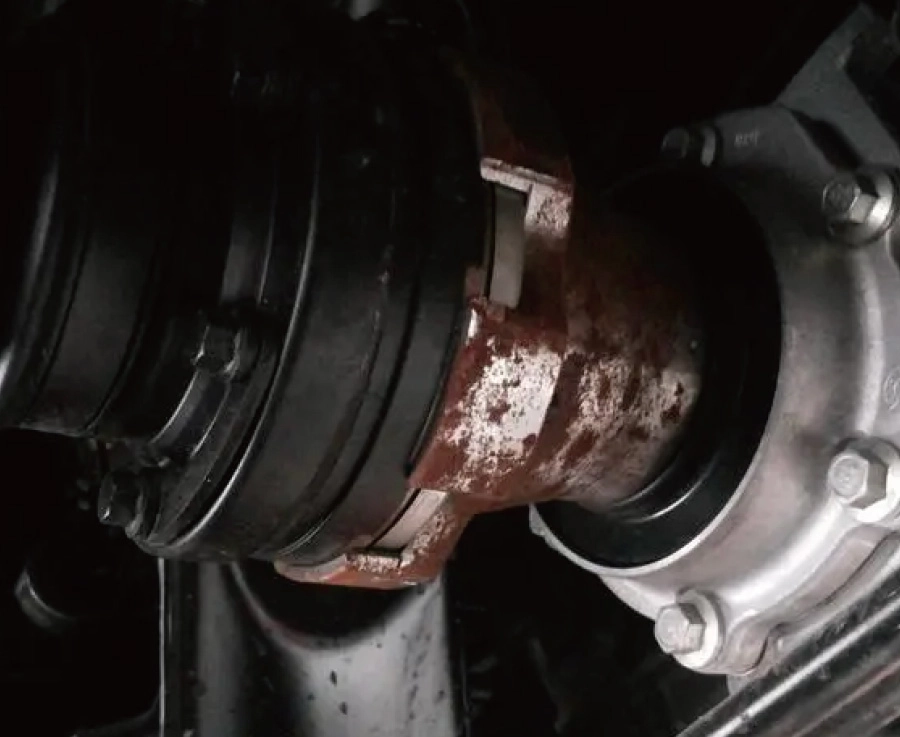
Rust cleaning
Laser cleaning
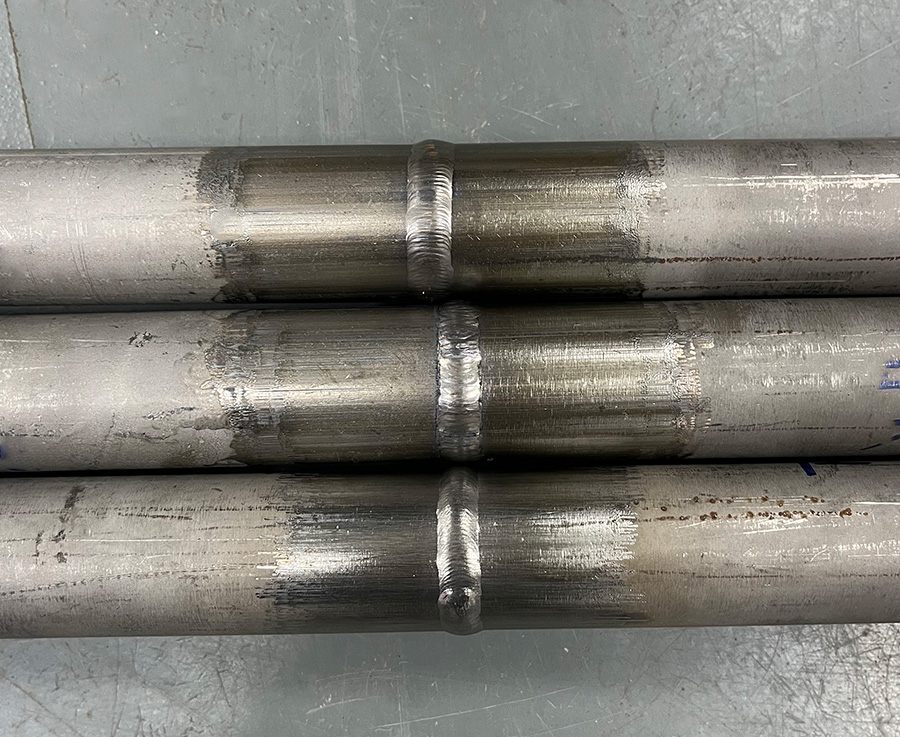
Laser cleaning
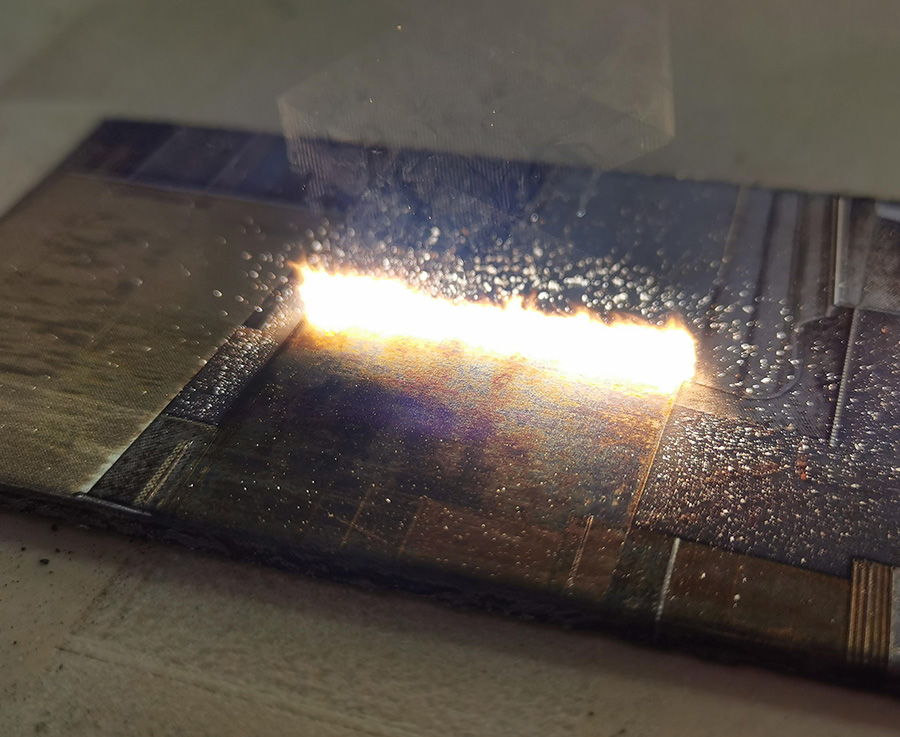
Laser cleaning
- Laser cleaning
- Paint cleaning
- Rust cleaning
- Laser cleaning
- Laser cleaning
- Laser cleaning
Principle of laser cleaning
Laser cleaning achieves efficient, precise, and environmental - friendly surface cleaning through the interaction between a high - energy laser beam and pollutants, utilizing mechanisms such as evaporation, ablation, thermal expansion, and plasma shock waves. Its non - contact, high - precision, and multi - functional characteristics make it widely used in multiple fields.
Advantage comparison between traditional cleaning and fiber lasers
Nowadays, maintaining market competitiveness requires cost reduction, efficiency improvement, and stable part quality. However, traditional technologies cannot meet these requirements. More and more manufacturers are shifting from traditional cleaning technologies to using fiber lasers for cleaning.
Mechanical cleaning
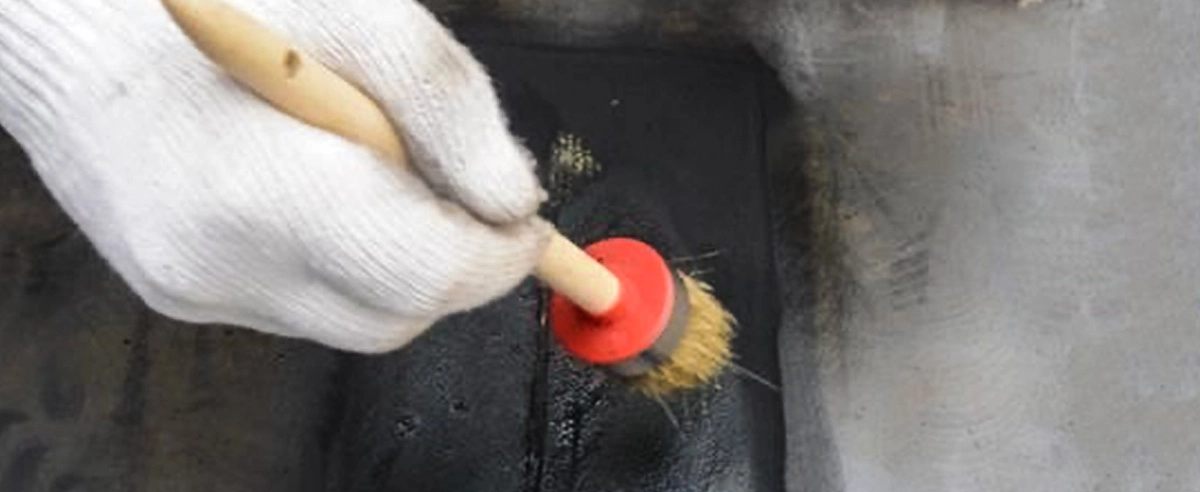
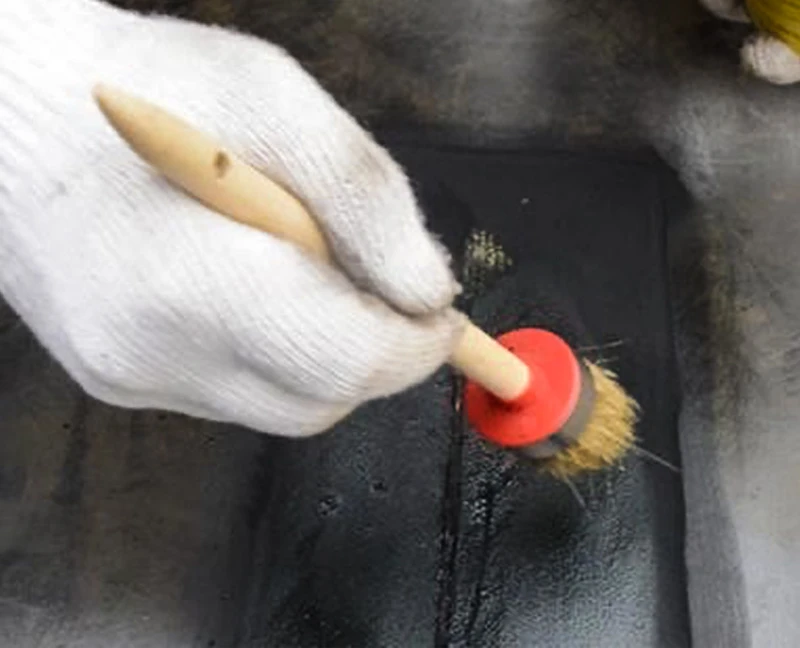 Mechanical cleaning uses methods such as scraping, rubbing, and brushing to remove surface contaminants. It has a low cleaning degree and is very likely to damage the workpiece.
Laser cleaning
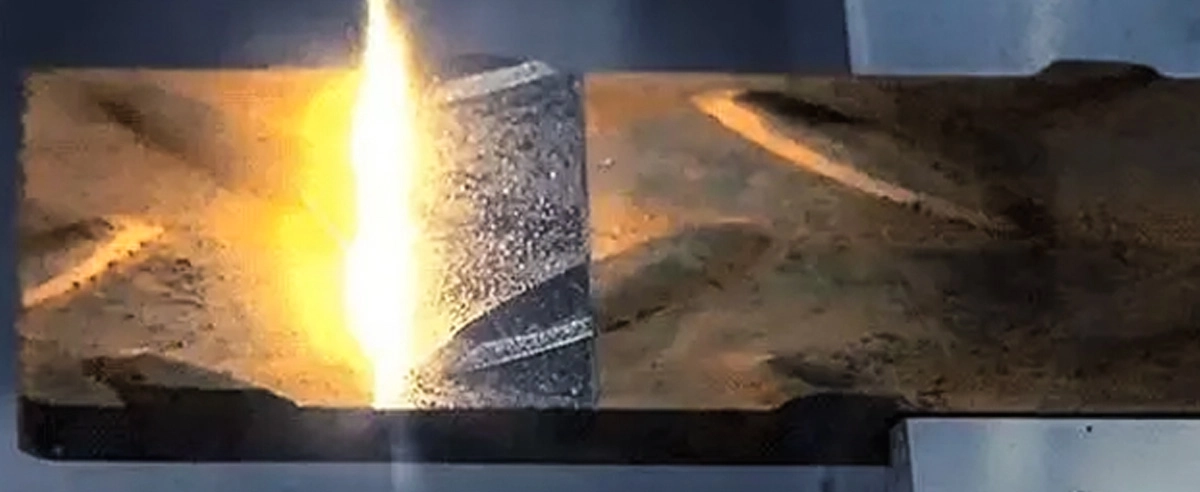
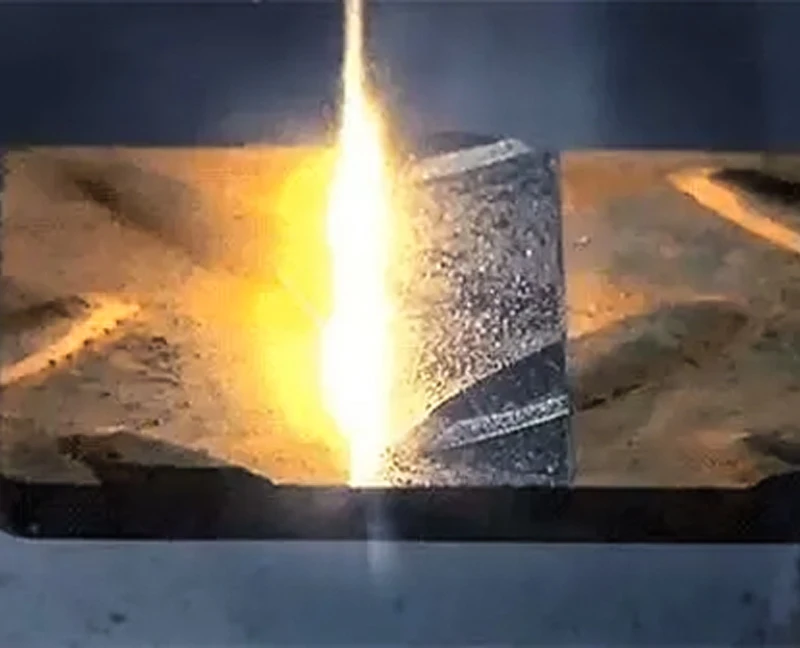 Laser cleaning is a non - contact cleaning method with a very high cleaning degree and an extremely low workpiece damage rate.

Chemical cleaning
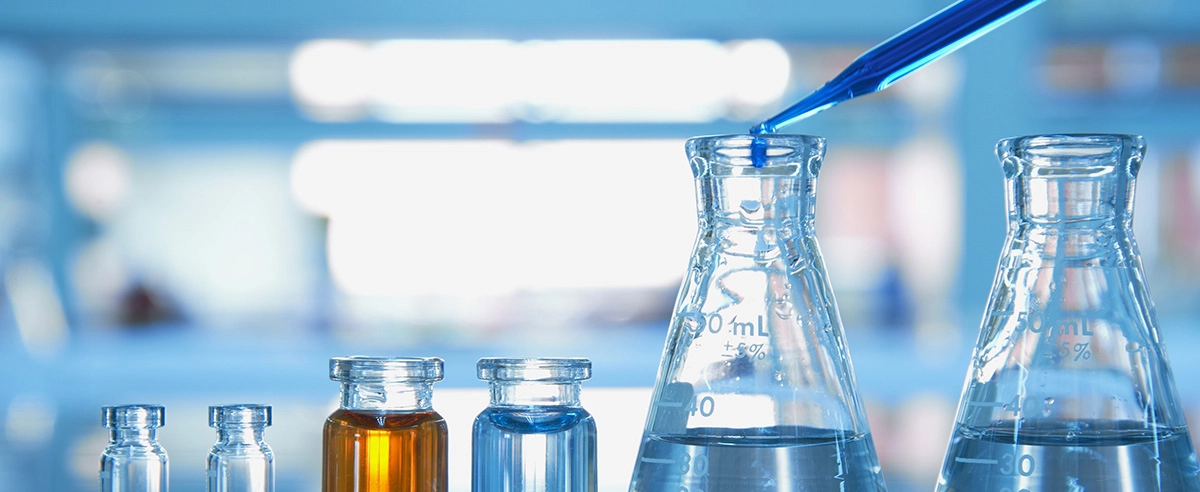
 Chemical cleaning uses acidic solutions to remove the oxide scale and rust on the metal surface. Complex dirt requires repeated cleaning and it is easy to damage the workpiece.
Laser cleaning
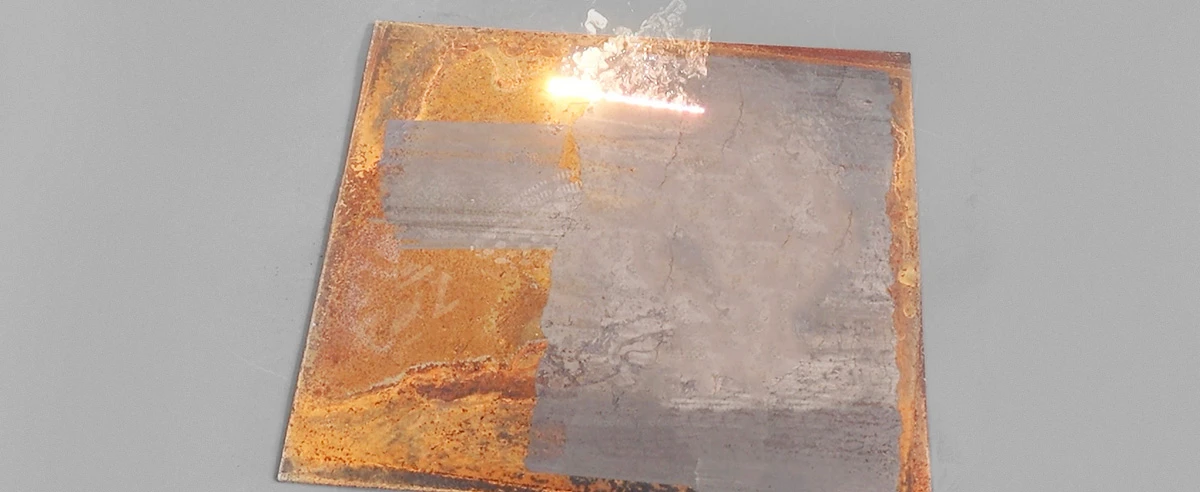
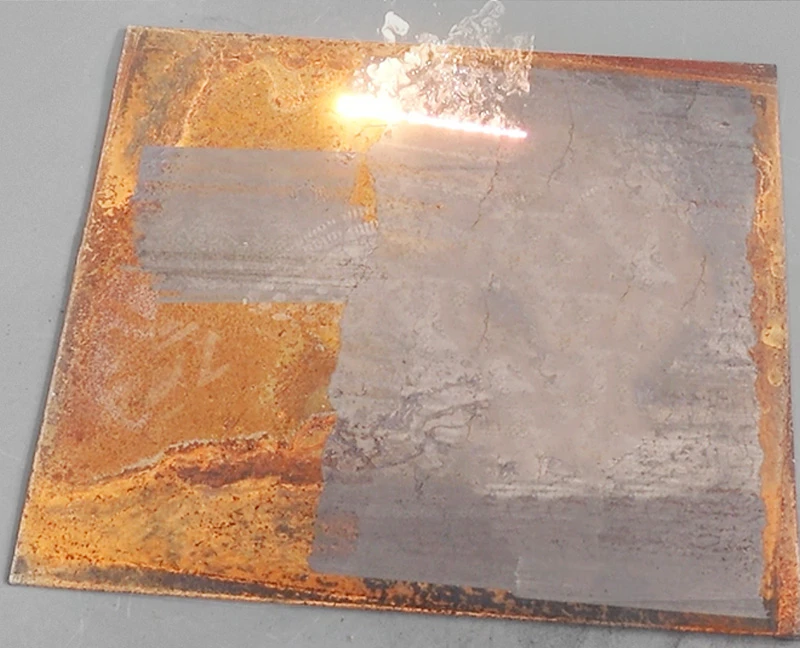 Laser cleaning does not require chemical cleaning agents, does not produce cleaning waste liquid, and is pollution - free to the environment. Since there is no drying time, the parts can be obtained immediately.
Sandblasting cleaning
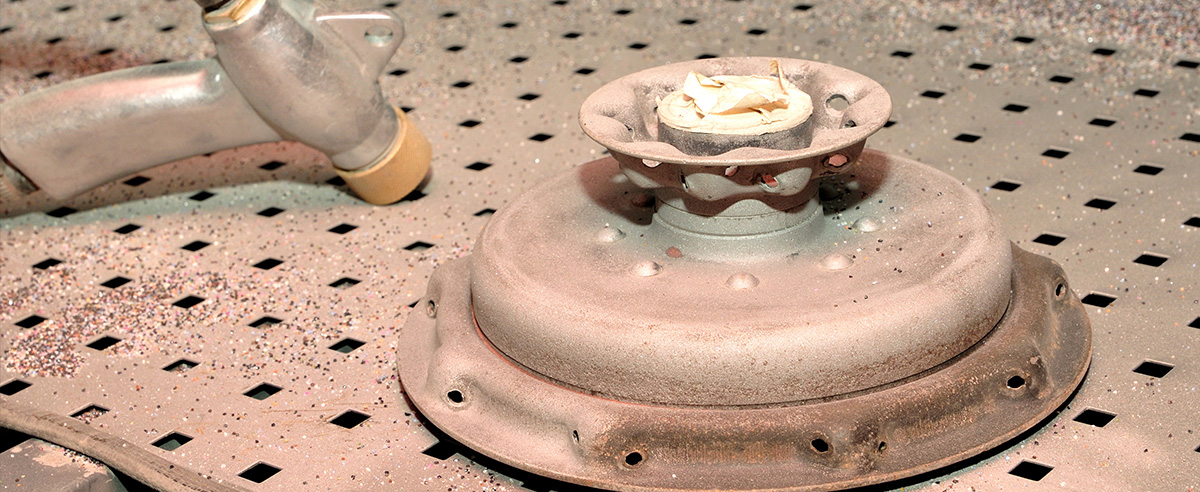
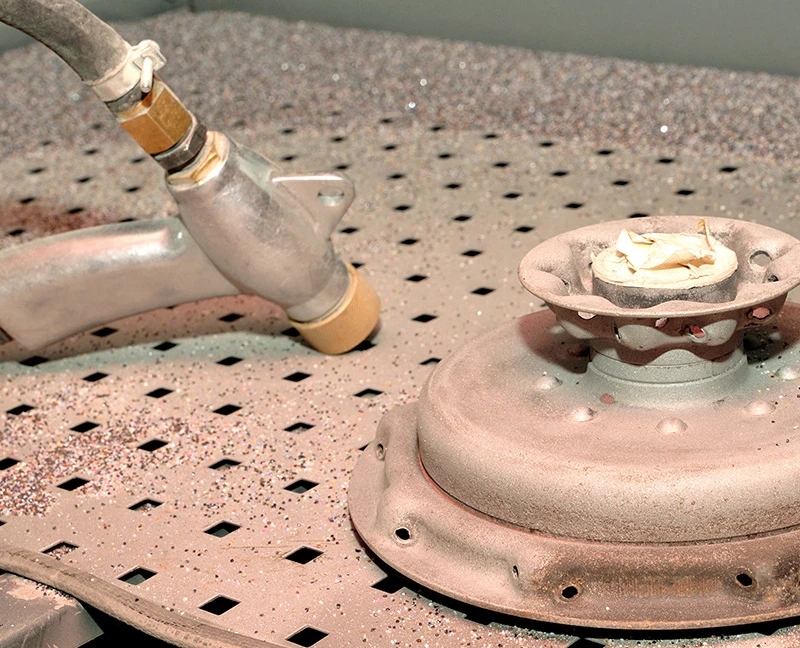 Sandblasting cleaning uses compressed air to spray sand of a certain granularity onto the surface of the dirt on the parts through a spray gun. The working environment of sandblasting cleaning is poor with a lot of dust, and the sand grains will damage the base material if the cleaning lasts for a long time.
Laser cleaning
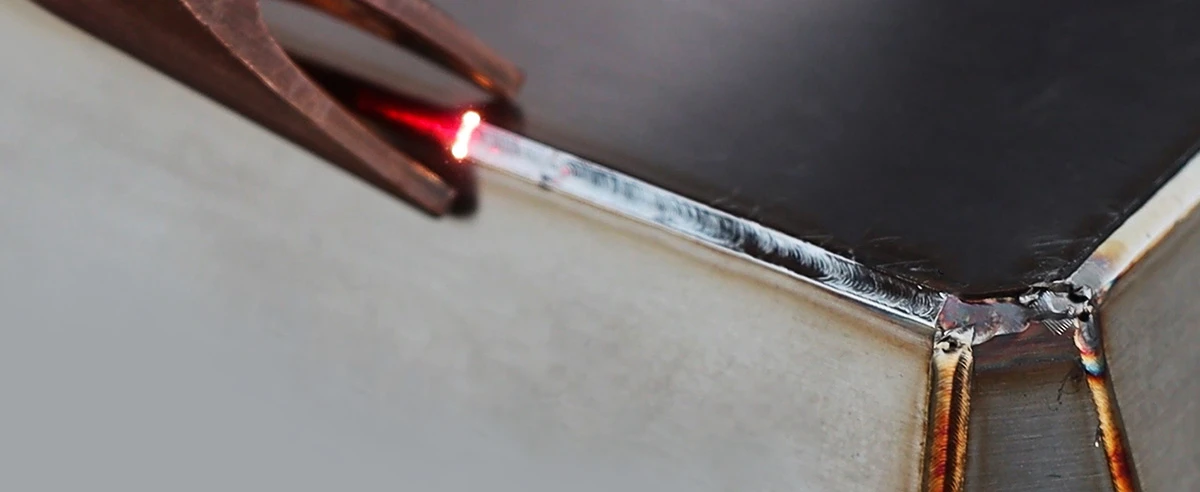
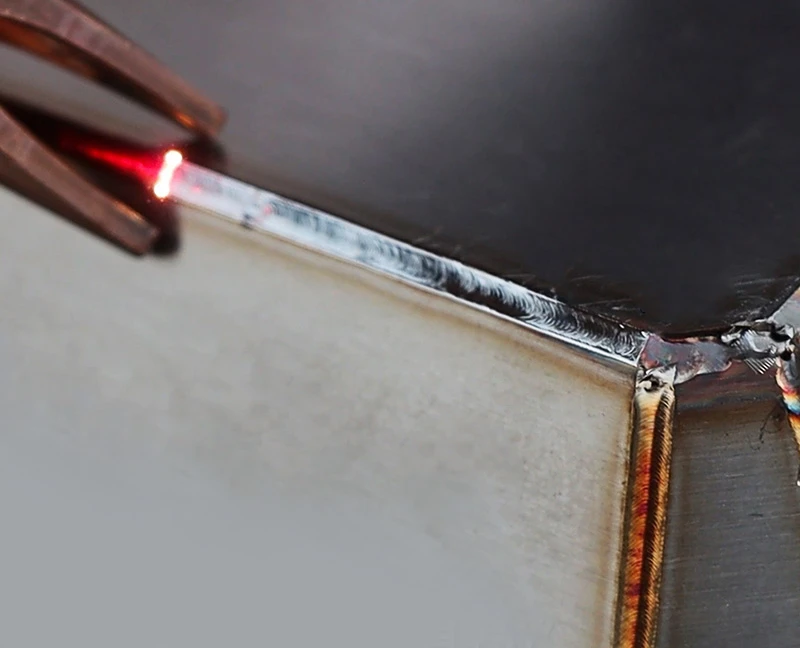 Laser cleaning eliminates the problems of sandblasting media and does not damage the workpiece. It only requires one person to operate, and there is no harm to the cleaning personnel during the operation. The working environment is good.

 0