
What is Laser-Arc Hybrid Welding?
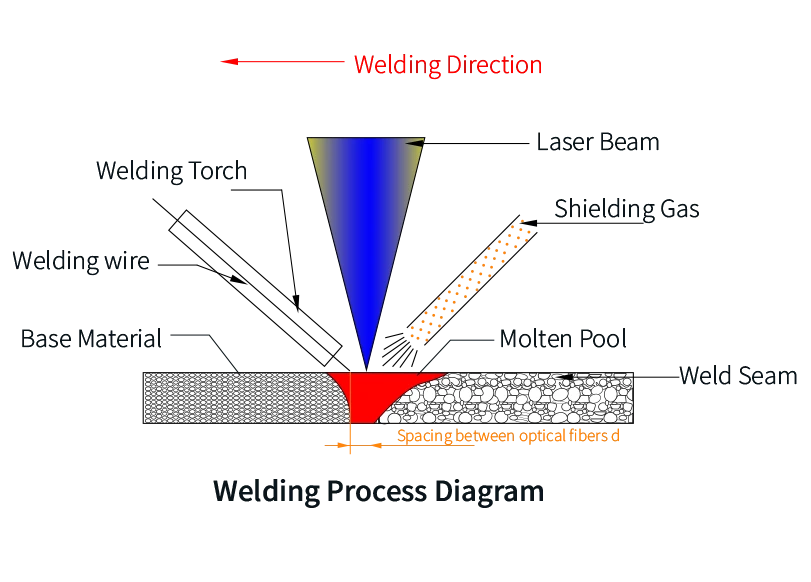
Laser-arc hybrid welding is an advanced welding technology that combines laser welding and arc welding. By synergistically using both laser and arc, it can improve welding efficiency and quality while expanding the applicability of the welding process. The laser provides a high energy density concentrated heat source that can quickly heat and melt materials, while the arc provides a stable heat source and larger molten pool, which can enhance the depth, width, and appearance of the weld seam. These two methods complement each other, effectively overcoming the limitations of single welding methods, improving welding speed, and reducing the heat-affected zone.
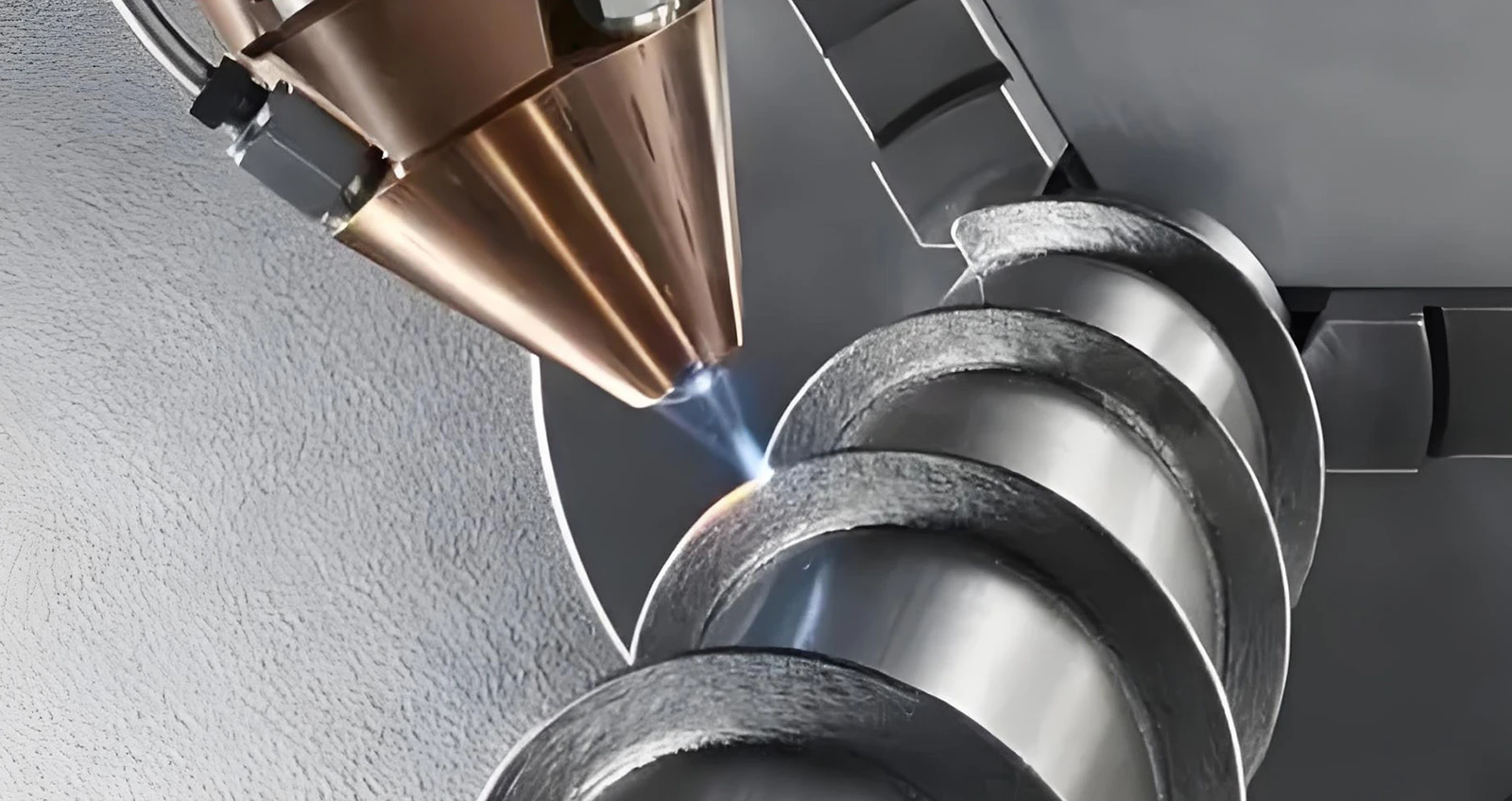
Advantages of Laser-Arc Hybrid Welding
- Reduced Joint Assembly RequirementsThe laser and arc act on a common molten pool, making the pool wider and deeper and increasing the bridging capacity of the weld joint.
- Improved Weld Joint QualityThe metal composition filled into the molten pool by arc welding is controllable, which is beneficial for adjusting the weld composition and improving the mechanical properties of the joint.
- Multi-pass Welding of Thick MaterialsBy selecting the appropriate groove form, multi-pass welding can be used to weld thick materials.
Applications of Laser-Arc Hybrid Welding
Laser brazing is widely used in electronic products, automotive manufacturing, aerospace, medical devices, and other fields, especially for applications requiring high precision and strength, such as assembly of electronic components and brazing of precision equipment.

Civil Shipbuilding Industry

Longitudinal Seam Welding of Oil and Gas Pipelines
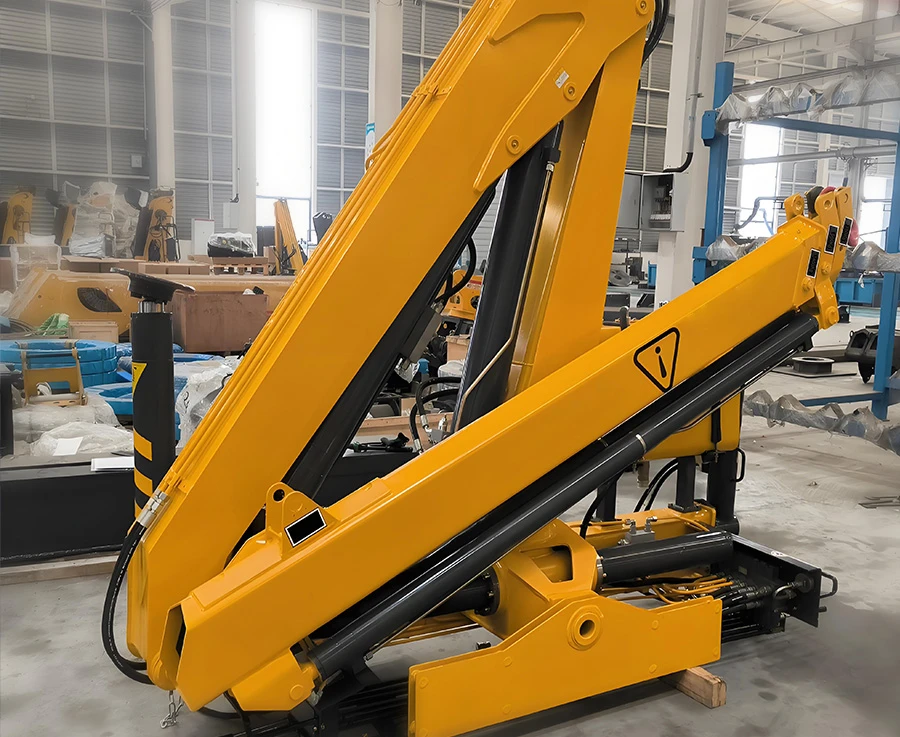
Longitudinal Seam Welding of Excavator Boom
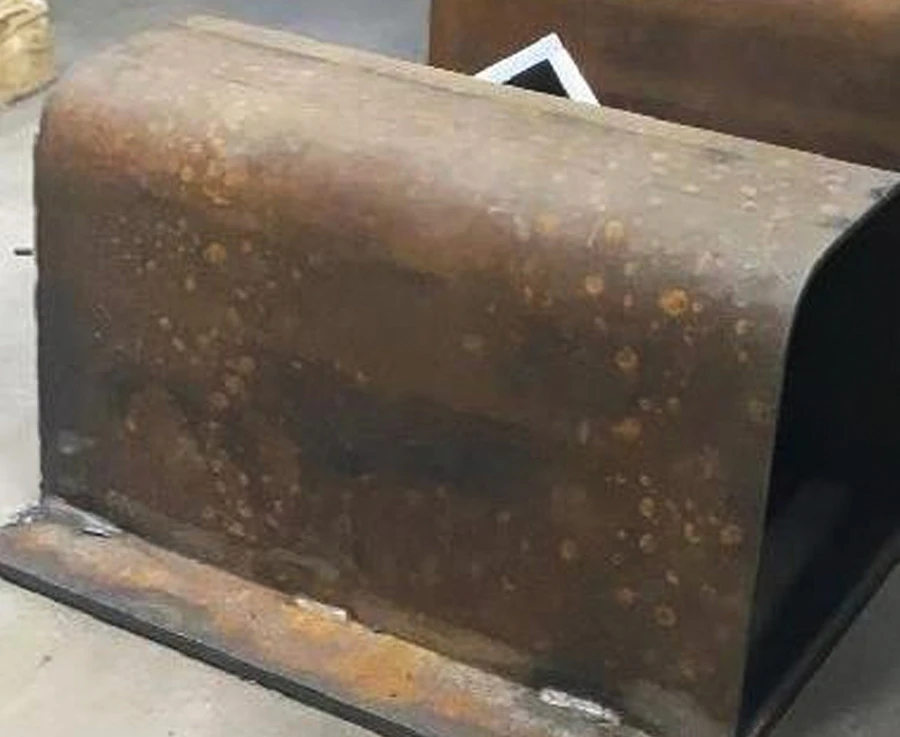
U Rib Plate Composite Welding
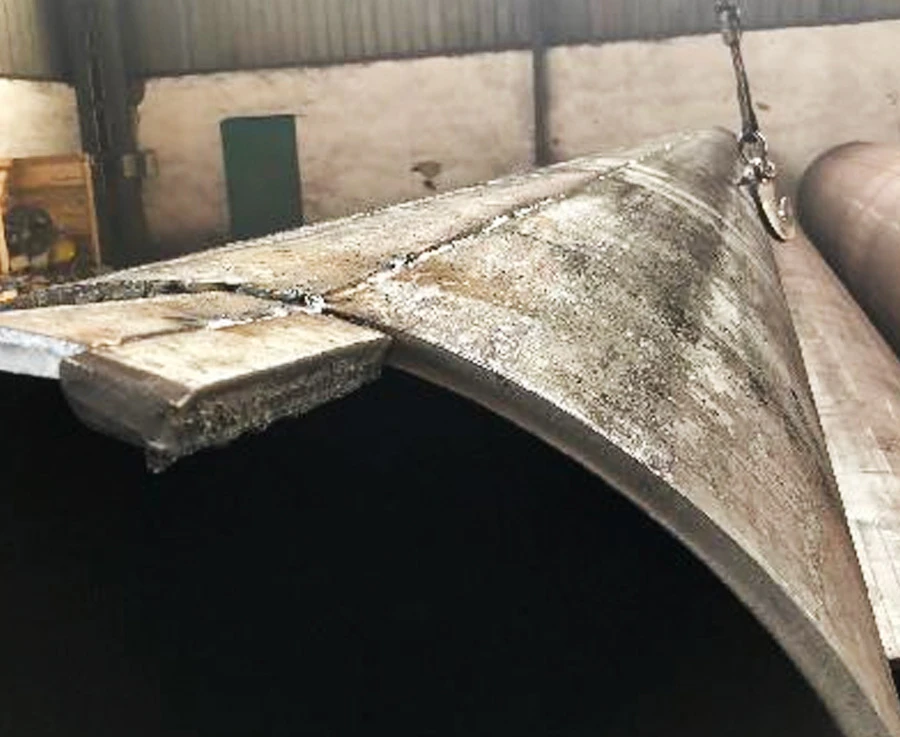
Formation of pipeline welds
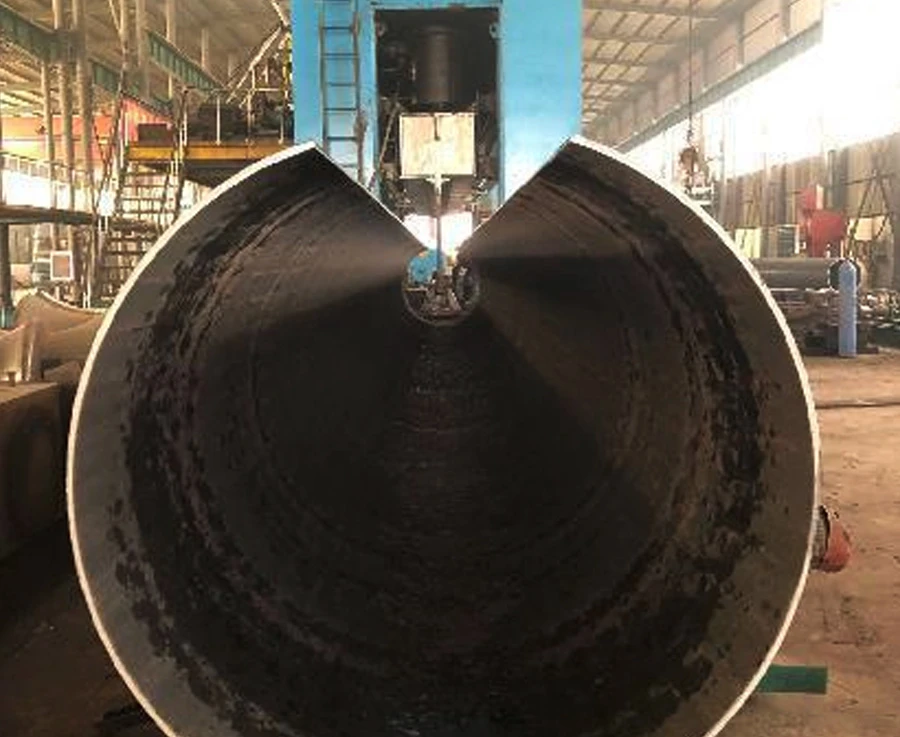
Pipe curling
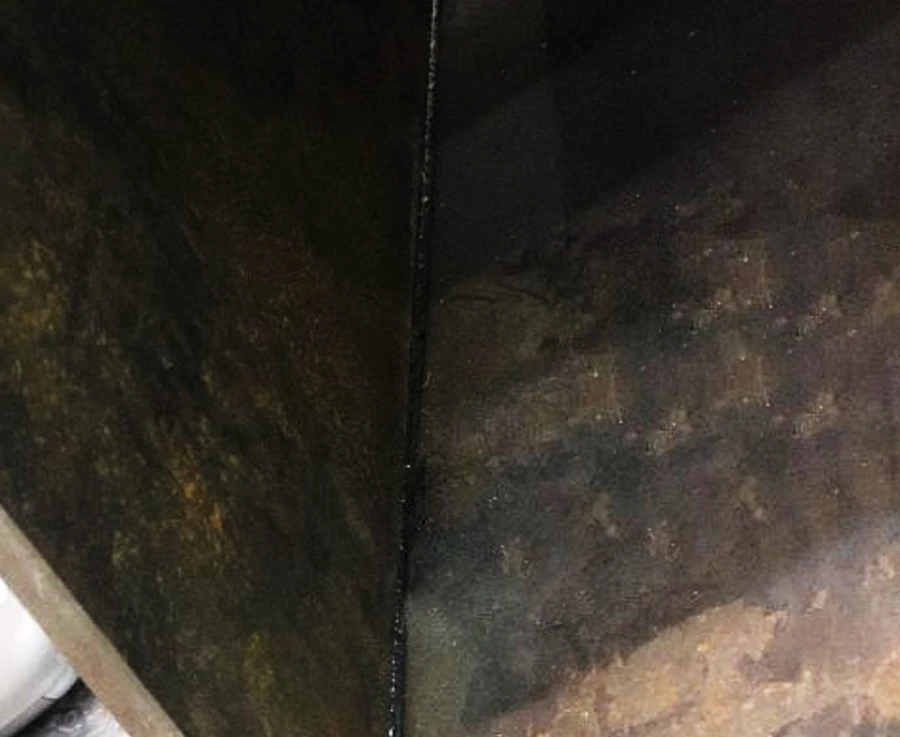
Back forming of weld seam
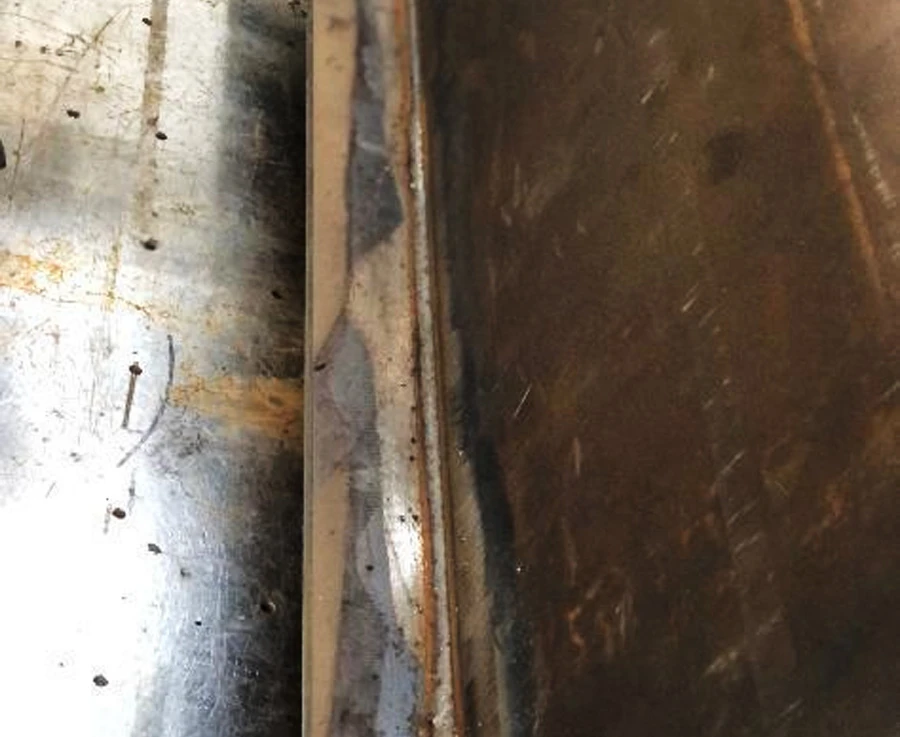
Front forming of weld seam
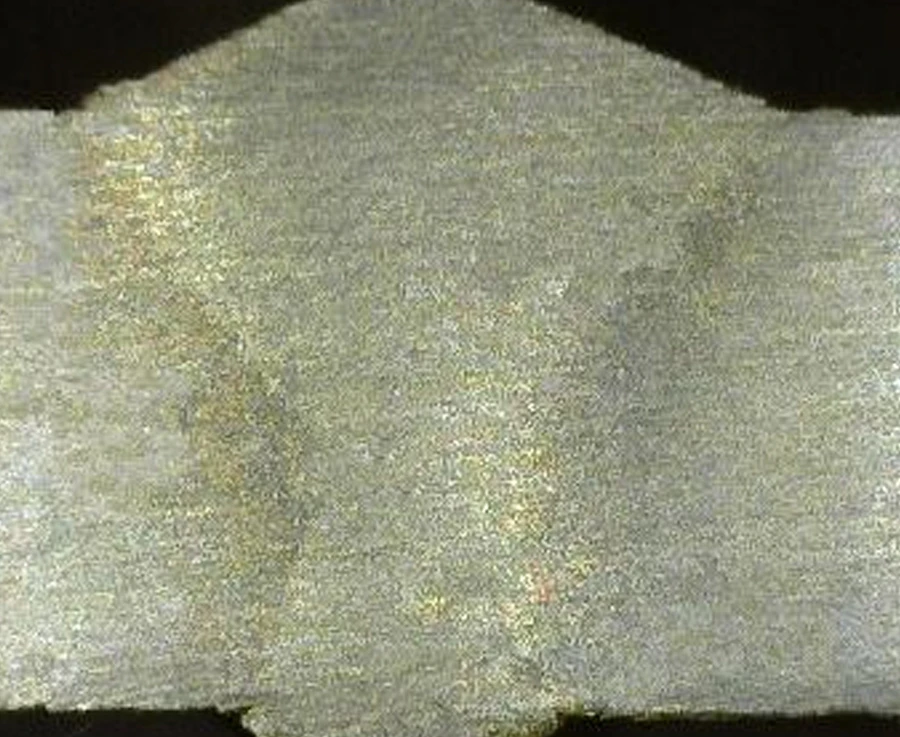
12mm docking joint
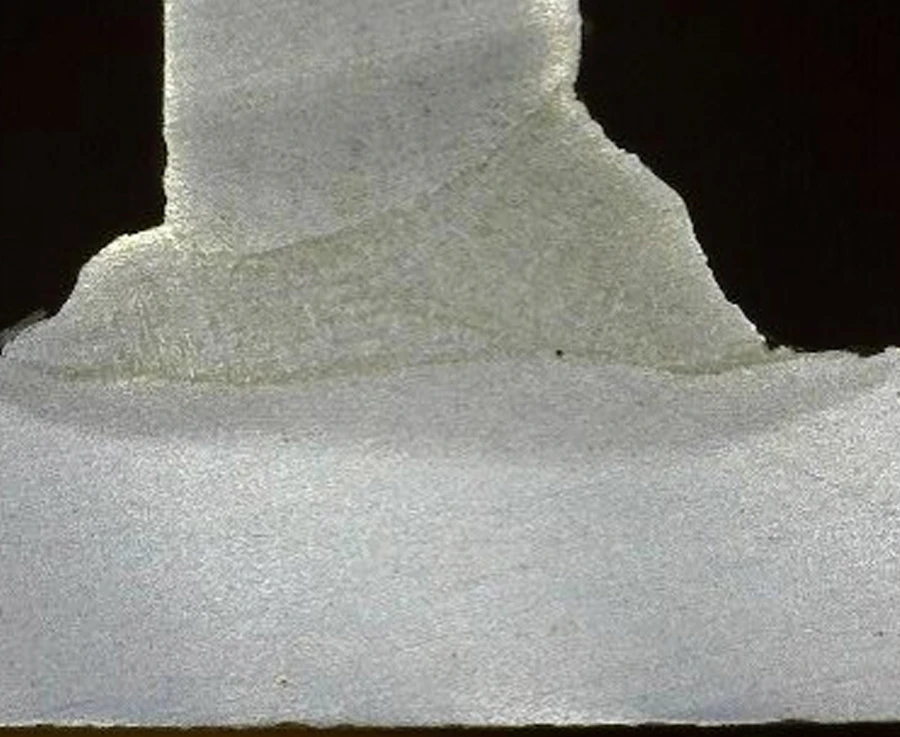
Single side welding of 8mm T-shaped joint
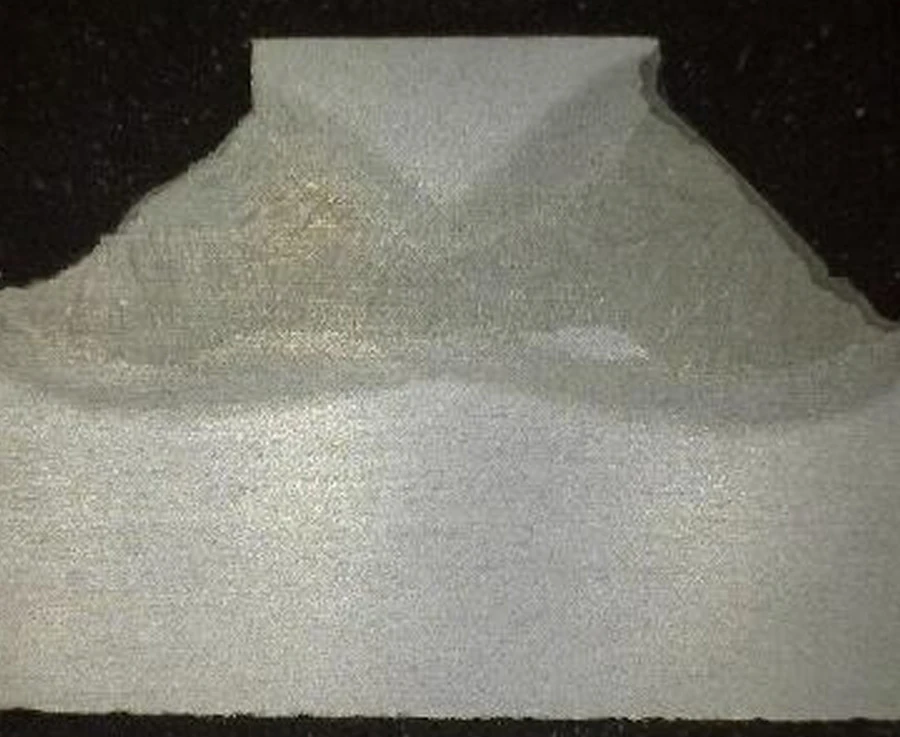
10mm T-shaped joint double-sided welding
- Civil Shipbuilding Industry
- Longitudinal Seam Welding of Oil and Gas Pipelines
- Longitudinal Seam Welding of Excavator Boom
- U Rib Plate Composite Welding
- Formation of pipeline welds
- Pipe curling
- Back forming of weld seam
- Front forming of weld seam
- 12mm docking joint
- Single side welding of 8mm T-shaped joint
- 10mm T-shaped joint double-sided welding
Principles of Laser-Arc Hybrid Welding
- 1. Two Heat Sources
- 2. The laser primarily forms a keyhole effect, influencing the penetration depth of the weld
- 3. The arc mainly affects the width of the weld seam
- 4. The laser attracts and compresses the arc
- GMAW (MIG)
- Laser Self-welding (Only Laser)
- Laser-Arc Hybrid Welding
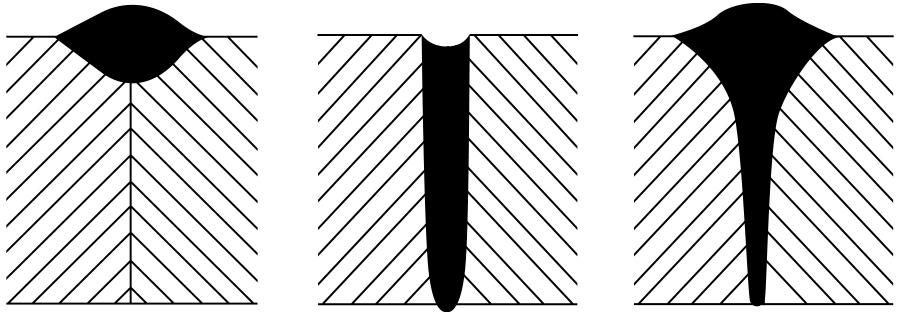
Differences in weld seam shapes between GMAW, laser welding, and laser-arc hybrid welding
Arc Welding VS Laser-Arc Hybrid Welding
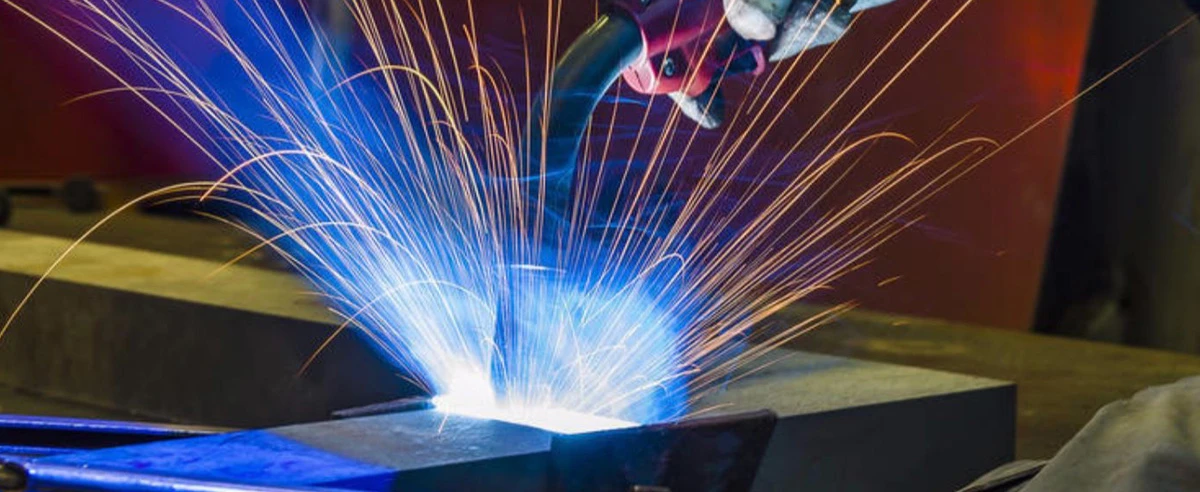
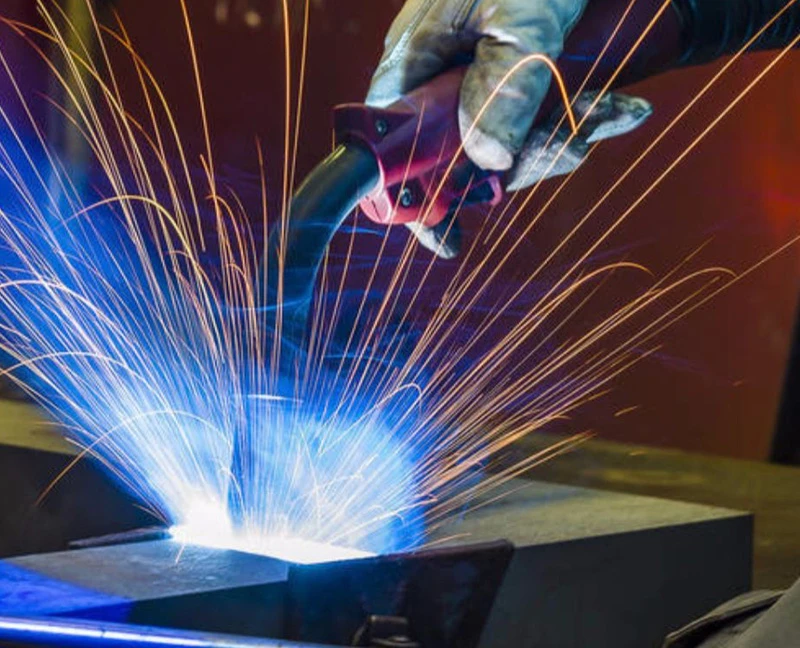
Arc Welding

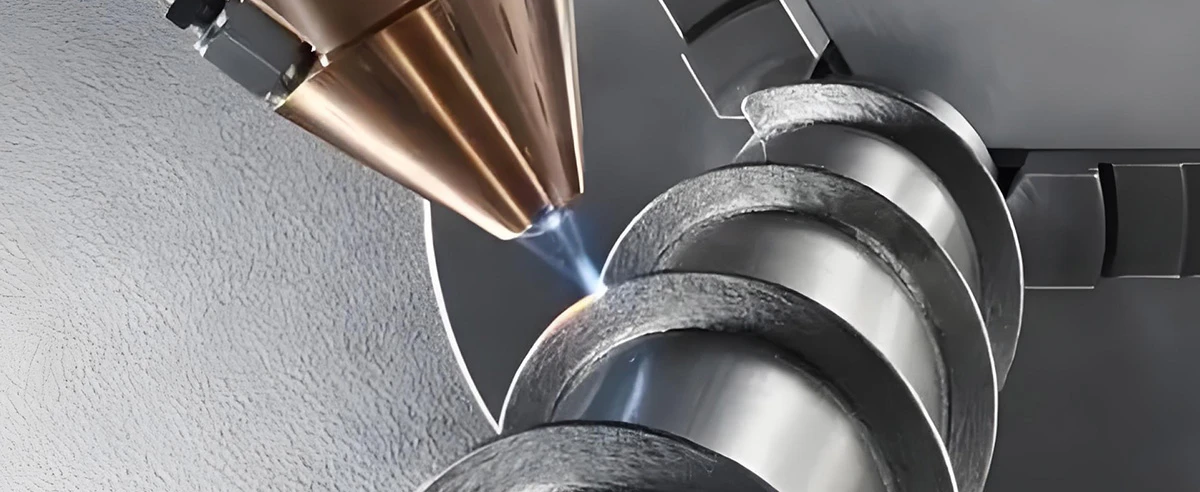
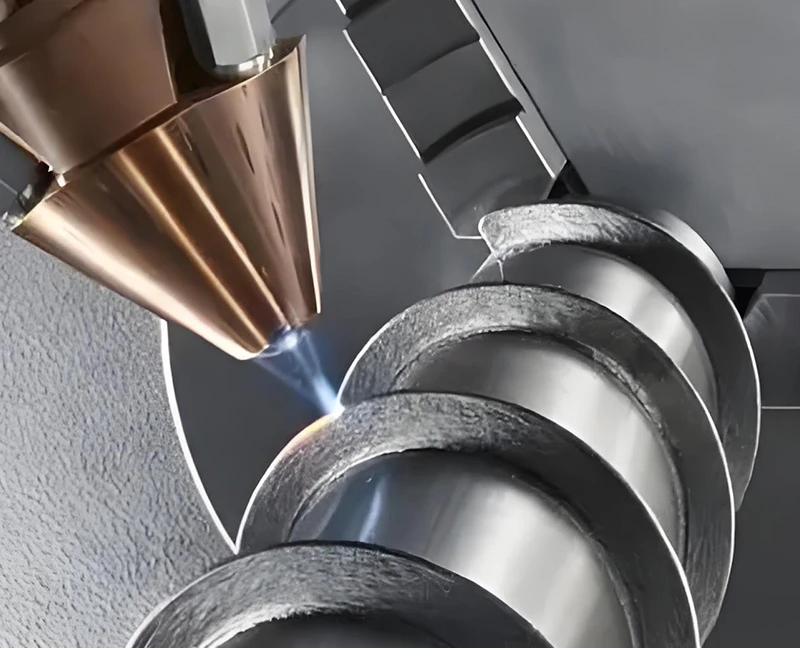
Laser-Arc Hybrid Welding
- Resolves issues of single-sided welding with double-sided formation and reliability of back weld penetration that could not be solved by the original arc welding process
- Welding deformation reduced by 50%
- Significant reduction in residual stress of the weld seam, small heat-affected zone

 0