
What is Laser Drilling?
Laser drilling is a machining technology that concentrates a high-energy laser beam on the surface of a material, heating it to melt or vaporize locally and thus creating holes in the material. The laser has precise focusing capabilities, allowing for high-precision perforation without contacting the material. It is widely used in the processing of metals, plastics, ceramics, and other materials. This method offers advantages such as precise control over hole diameter, minimal heat-affected zones, and fast processing speeds. It is commonly used in micro-hole machining, turbine blade cooling hole production, electronics, medical devices, and other fields.

Advantages of Laser Drilling
- High Precision and QualityThe laser beam can be precisely focused, providing extremely high positional accuracy. It can process very fine, uniform, and regularly shaped holes, suitable for applications with high precision requirements.
- Small Heat-Affected ZoneThe energy of the laser beam is highly concentrated, allowing localized heating of the material. This results in a smaller heat-affected zone, reducing thermal deformation and stress during the machining process and ensuring machining quality.
- Fast Processing SpeedLaser perforation has a high processing speed, capable of completing a large number of holes in a short time. It is especially suitable for high-volume, high-efficiency production needs.
- High FlexibilityLaser perforation can achieve complex shapes, different sizes, and depths of hole processing. It is not restricted by the thickness or shape of the material and can handle irregular workpieces.
- No Tool WearThere is no direct mechanical wear during the laser perforation process, so there is no need for frequent tool changes. This reduces maintenance costs and downtime.
Laser Drilling Various Materials
Due to its high precision and non-contact processing characteristics, laser drilling technology can handle a variety of material categories.
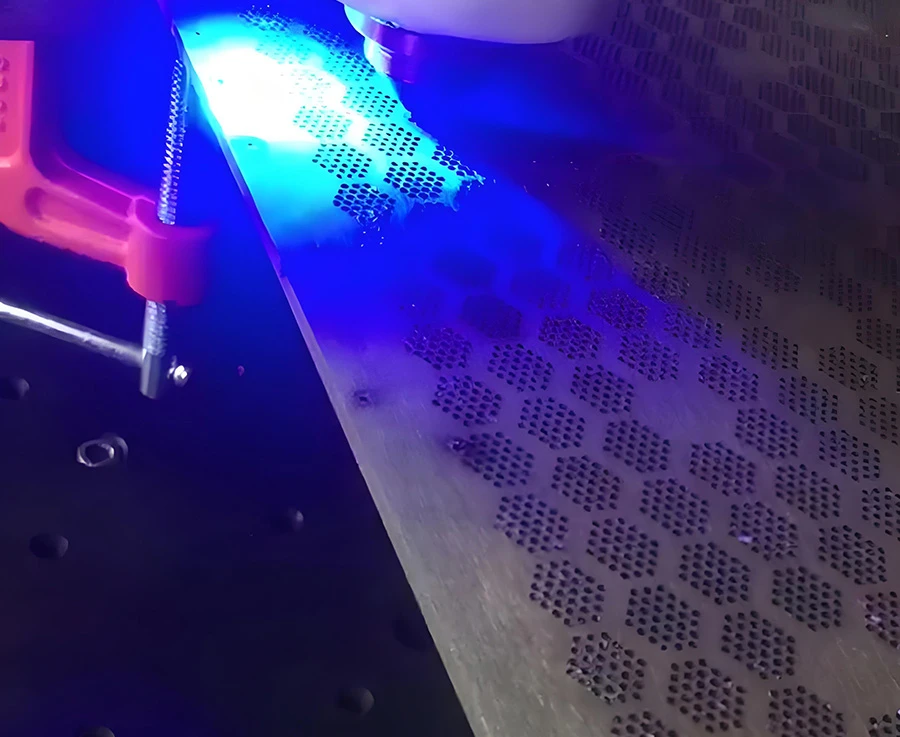
Aluminum Plate Laser Drilling
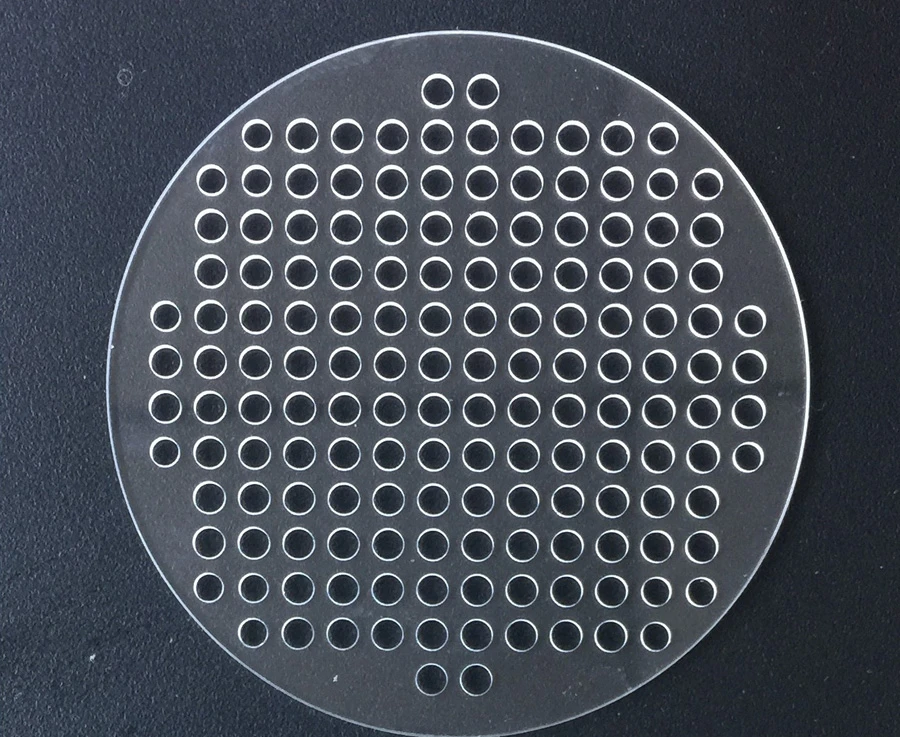
Laser Glass Drilling
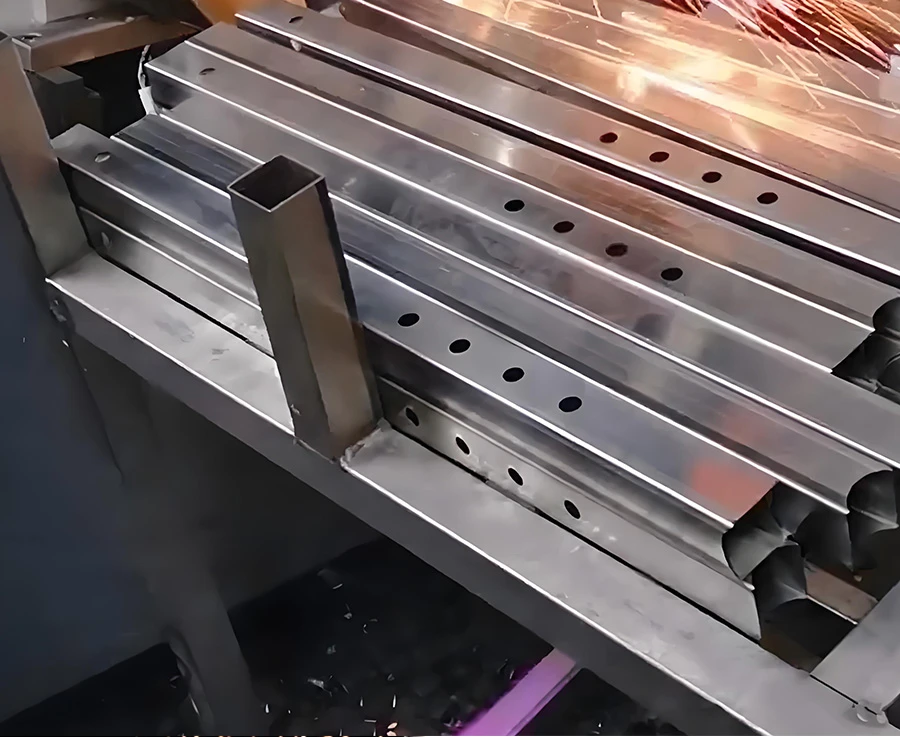
Laser Drilling
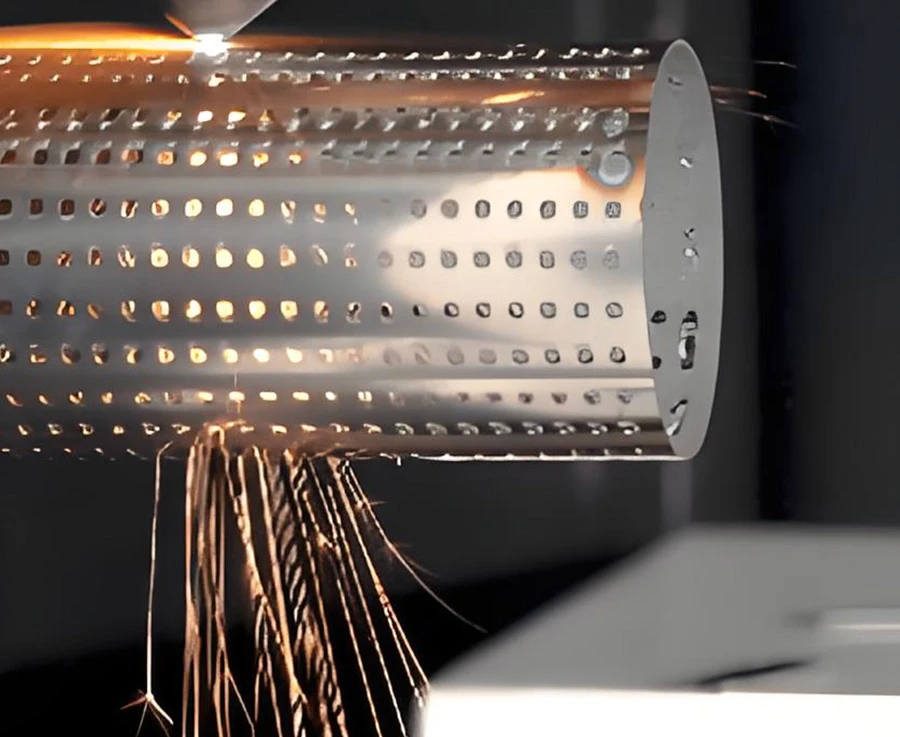
Laser Drilling
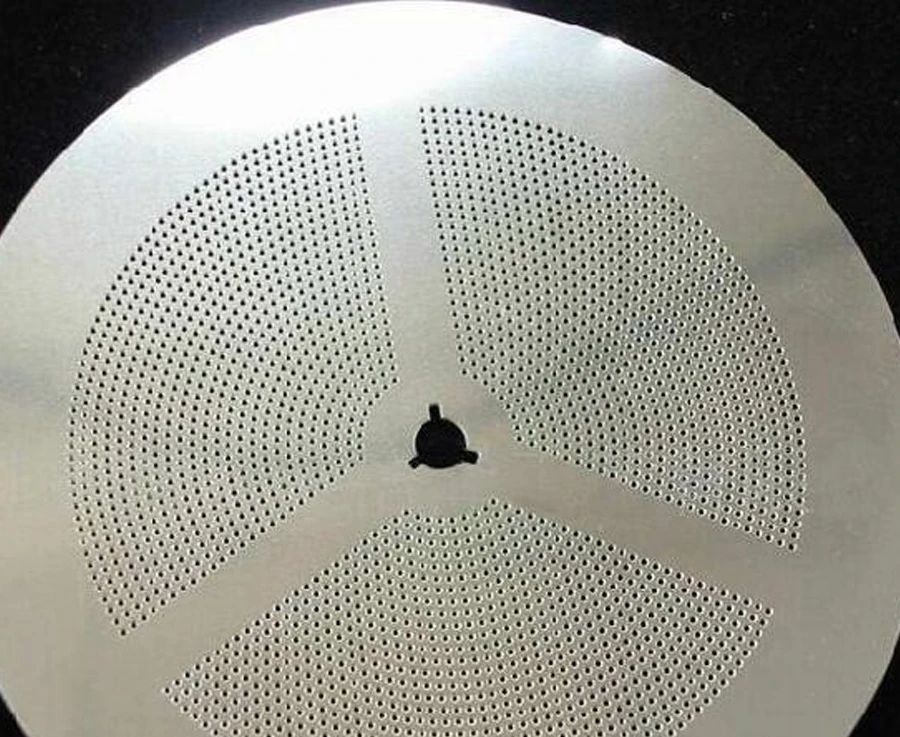
Laser Drilling
0.01mm Laser Sample Drilling
- Aluminum Plate Laser Drilling
- Laser Glass Drilling
- Laser Drilling
- Laser Drilling
- Laser Drilling
- 0.01mm Laser Sample Drilling
Principle of Laser Drilling
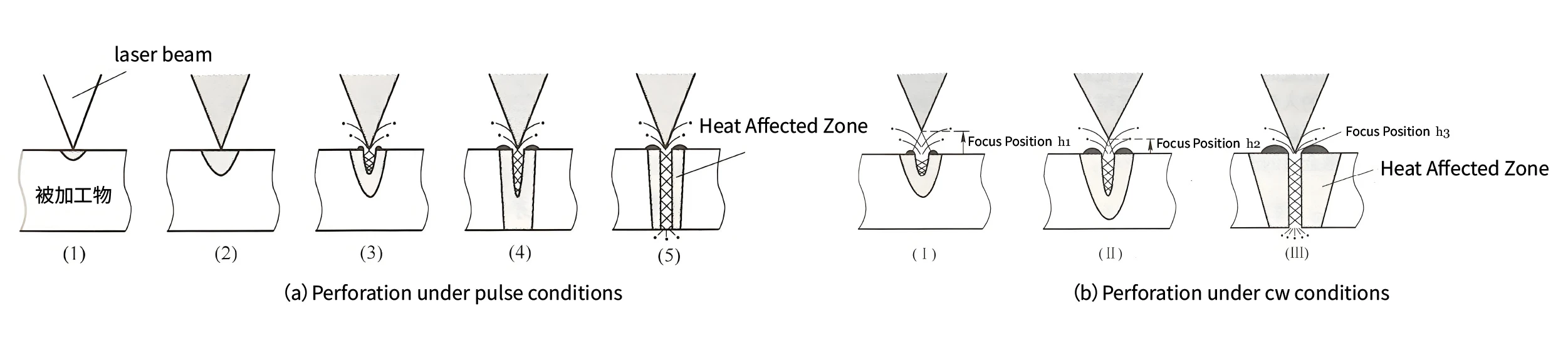
Laser drilling is a precision machining technology based on the interaction between high-energy lasers and materials. Its core principle involves rapidly heating, melting, or vaporizing the material with laser energy to form holes.
Comparison Between Traditional Drilling and Laser Drilling
Nowadays, maintaining market competitiveness requires cost reduction, efficiency improvement, and stable part quality. Traditional technologies cannot meet these requirements, so more and more manufacturers are turning from traditional welding techniques to using fiber lasers for cutting.
Mechanical Drilling
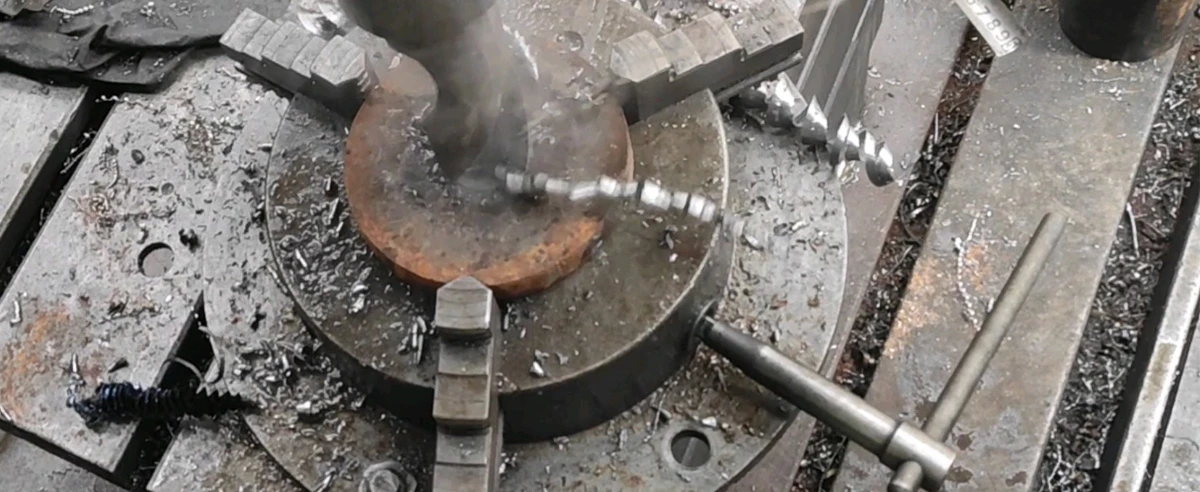
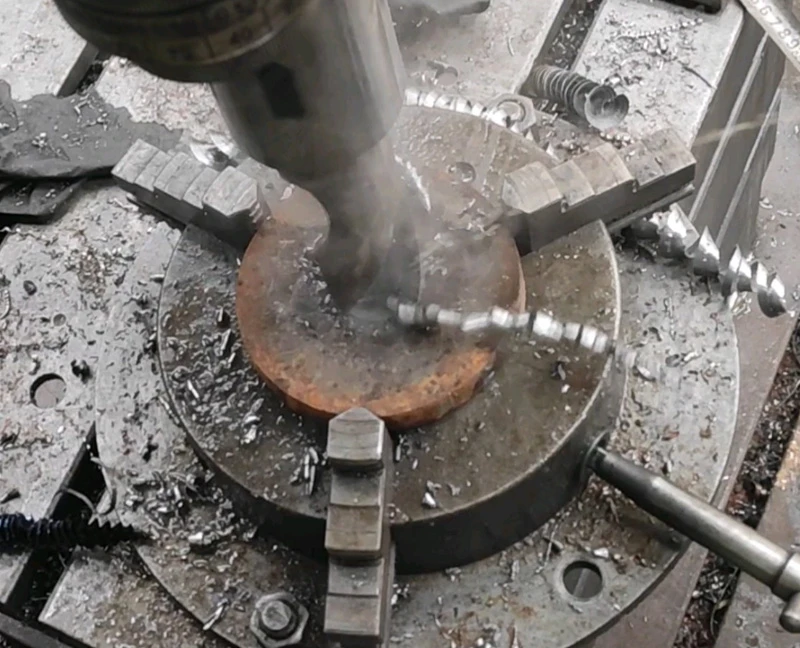 Mechanical drilling cuts through the material by rotating a drill bit (which usually has multiple cutting edges), forming a hole. The accuracy is relatively low, and the surface quality of the hole may require subsequent treatment; for harder materials (such as stainless steel, titanium alloys, etc.), the drilling speed is slower.
Laser Drilling
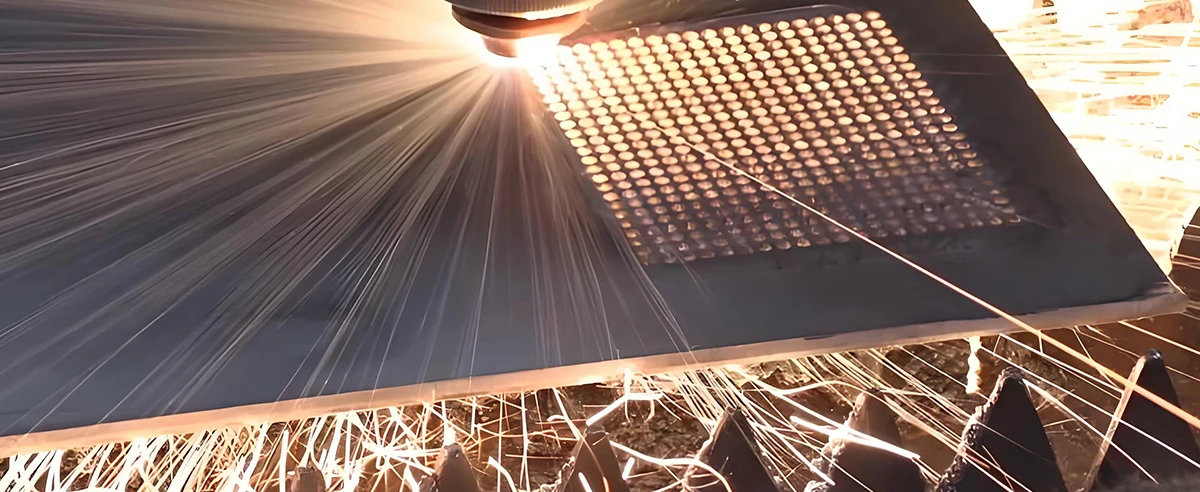
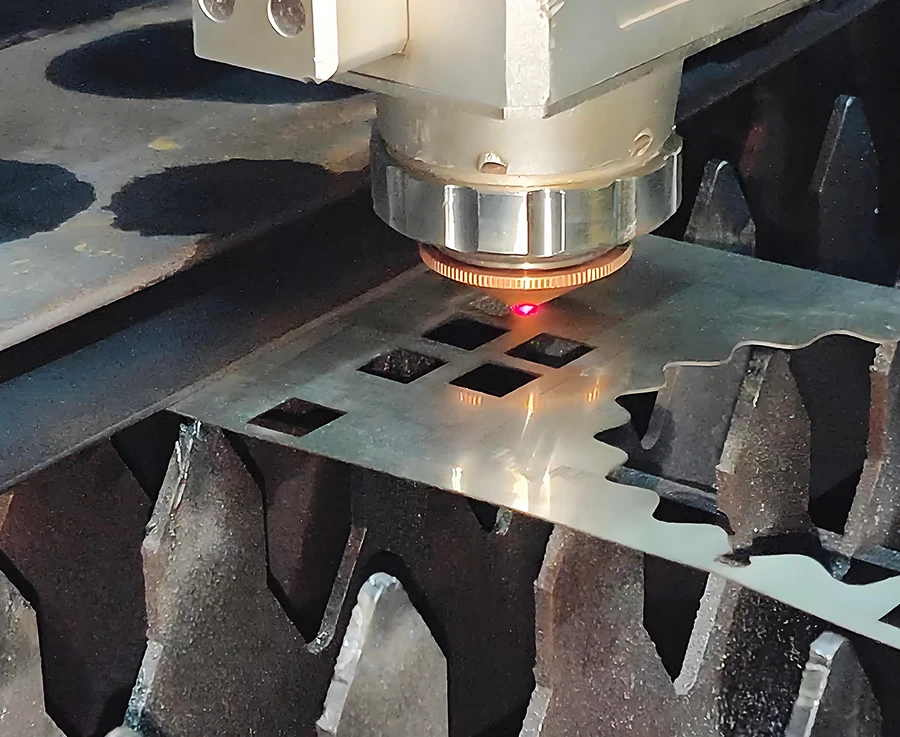
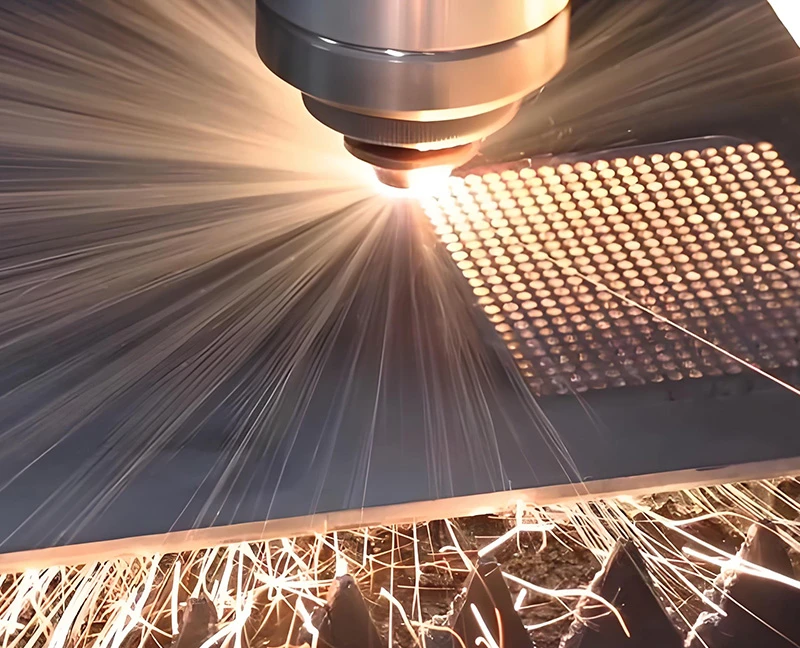 Laser drilling with fiber laser perforation has very high precision, capable of micron-level perforation processing. The shape and size of the holes are very stable, reducing the need for post-processing.

Stamping (Punching)
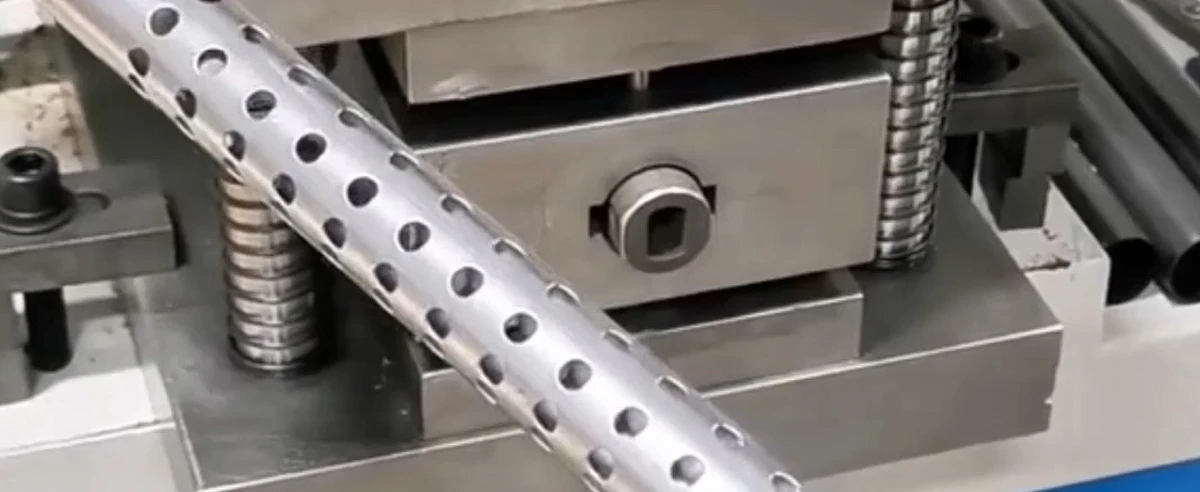
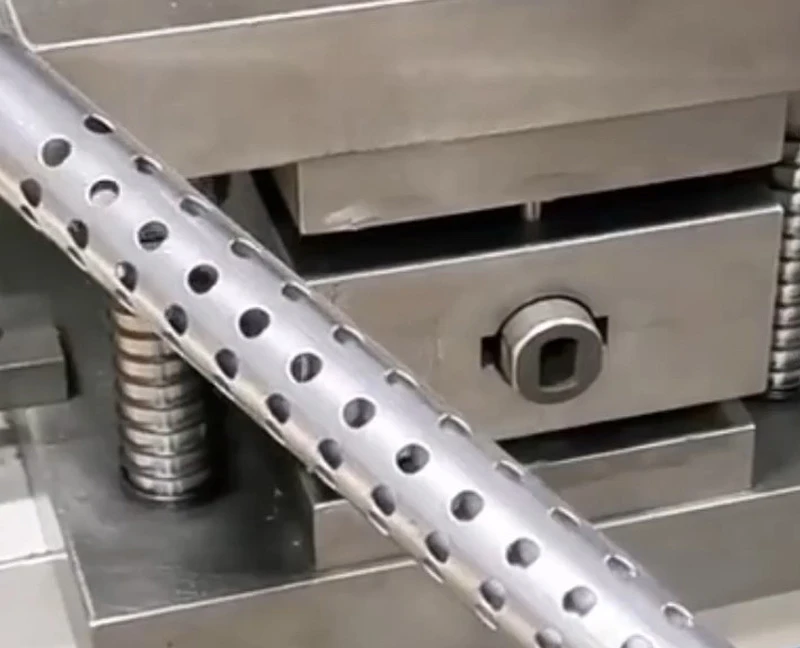 Stamping (punching) applies pressure on the material through a stamping die (including upper and lower dies) to directly punch out the shape of the hole. It can only process thin materials and the shape of the hole is limited by the die design, not suitable for high-precision requirements or complex shapes.
Laser Drilling
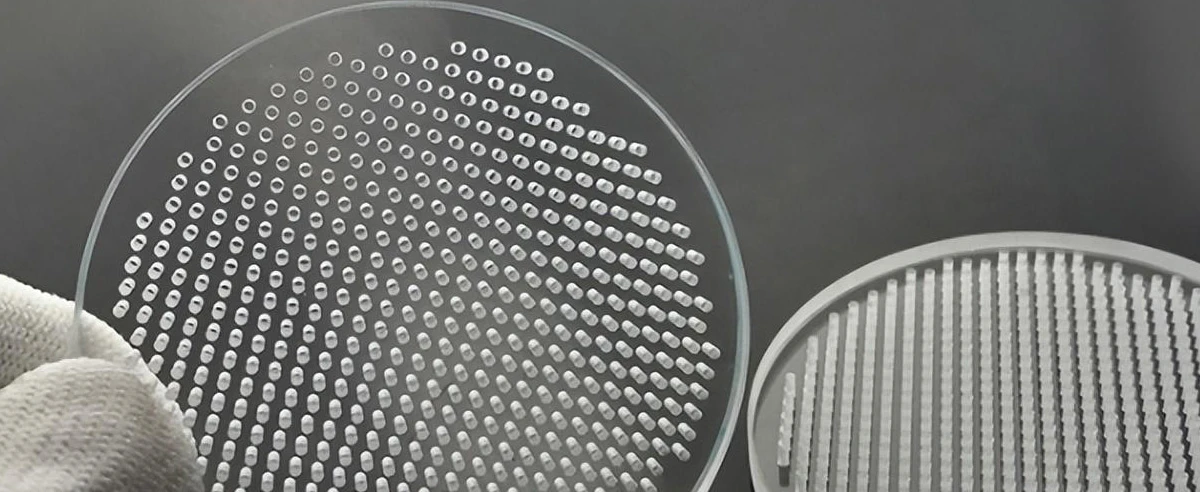
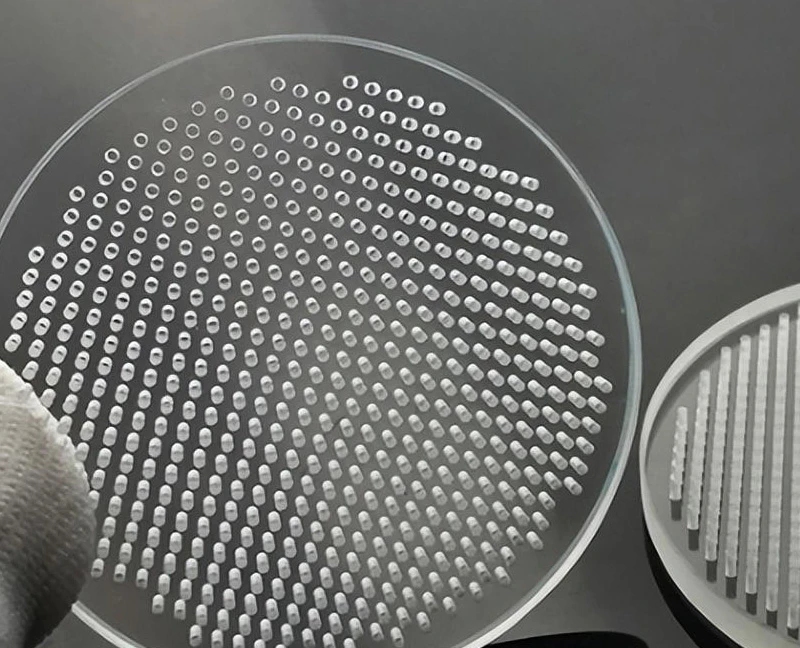 Laser drilling is suitable for various materials, including metals, plastics, ceramics, glass, etc. It is particularly effective in perforating hard, brittle, or difficult-to-machine materials.
Electrical Discharge Machining (EDM)
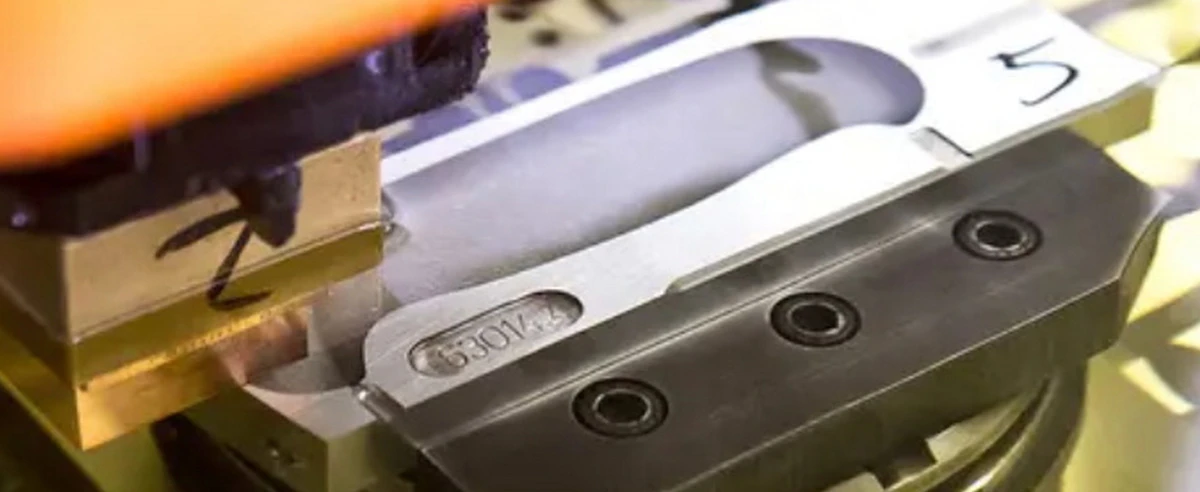
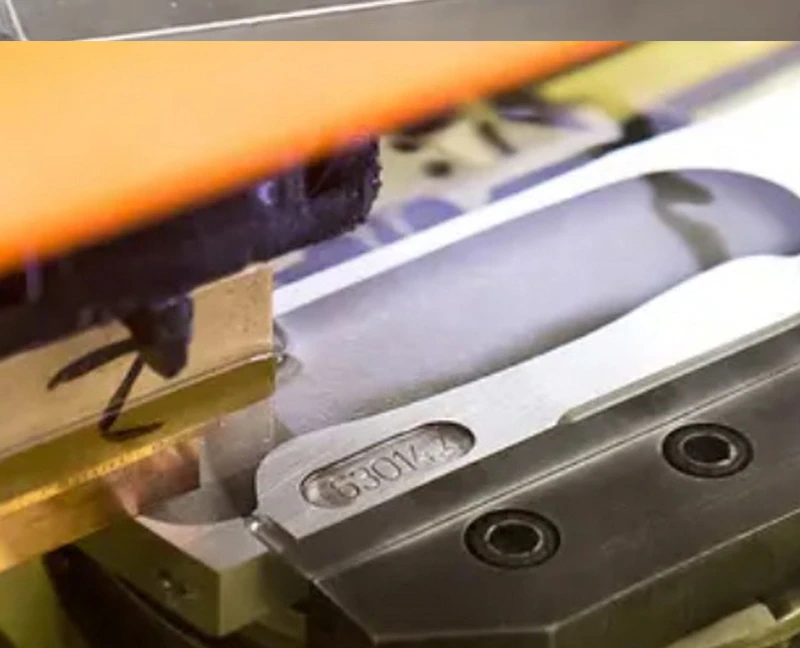 Electrical discharge machining uses electrical sparks to generate high temperatures between the workpiece and electrode, resulting in slower material removal. Especially for large-scale production, the efficiency is lower.
Laser Drilling
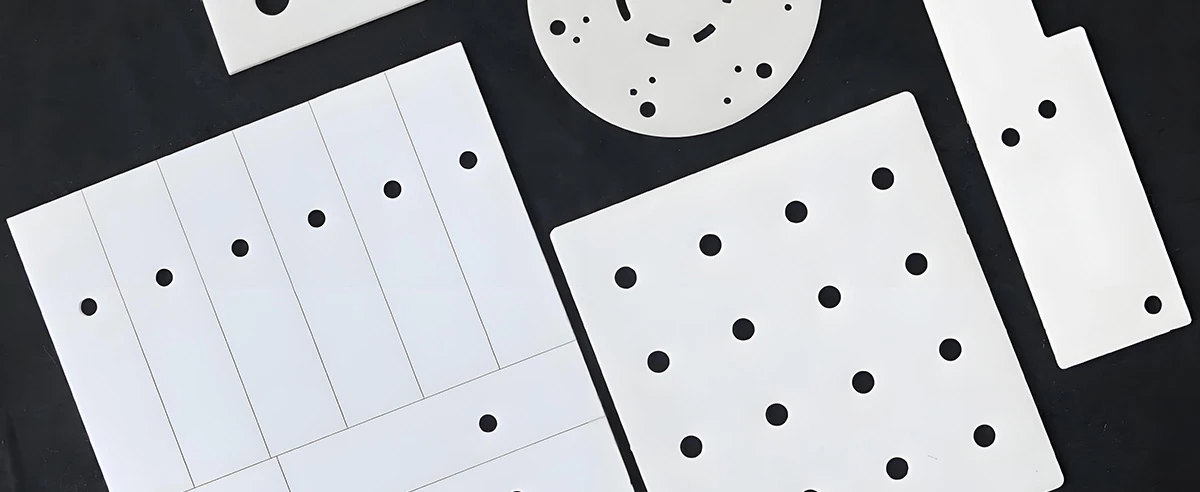
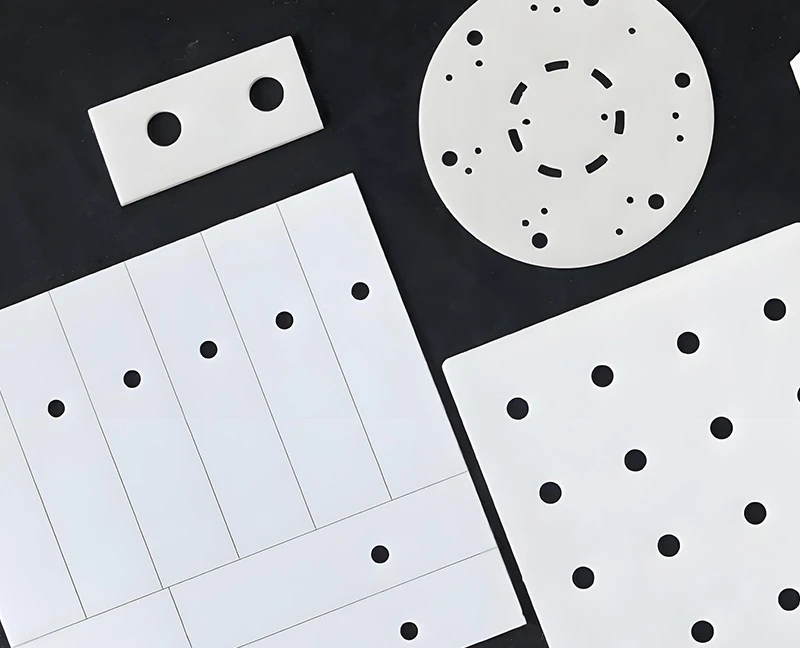 Laser drilling is relatively fast, especially suitable for large-scale, efficient production needs. It is applicable to various materials such as metals, ceramics, plastics, etc., offering good versatility.

 0