
What is laser welding?
Laser welding is a processing method that uses a laser beam with high energy density as a heat source to heat the workpiece, and makes the workpiece achieve interatomic bonding by applying pressure or not, and using or not using filler materials. The types of laser welding include laser autogenous welding (including high-brightness lasers, FRM lasers, optical shutter multi-light-path output lasers, dual-band composite welding), laser wire filling welding (laser brazing), and laser-arc composite welding
Characteristics of Laser Welding
- High Energy DensityThe laser can provide a laser beam with high energy density, enabling the welding process to rapidly heat and melt the welding material
- High FocusabilityThe laser beam can be focused through optical elements such as lenses, making the energy density at the welding point higher and the welding effect better
- High PrecisionLaser welding can achieve very precise welding, which is suitable for welding tiny welding points or complex shapes
- Non-contactLaser welding is a non-contact welding method, which can avoid the contamination and deformation of materials
- Strong ControllabilityThe energy and focal position of laser welding can be precisely controlled by adjusting the parameters of the laser to meet different welding requirements
Flexible Welding of Various Materials
With its high precision, high efficiency, and high reliability, laser welding technology has been widely applied in industrial manufacturing. It can cut a wide variety of materials, including but not limited to metallic materials such as carbon steel, stainless steel, and alloy steel
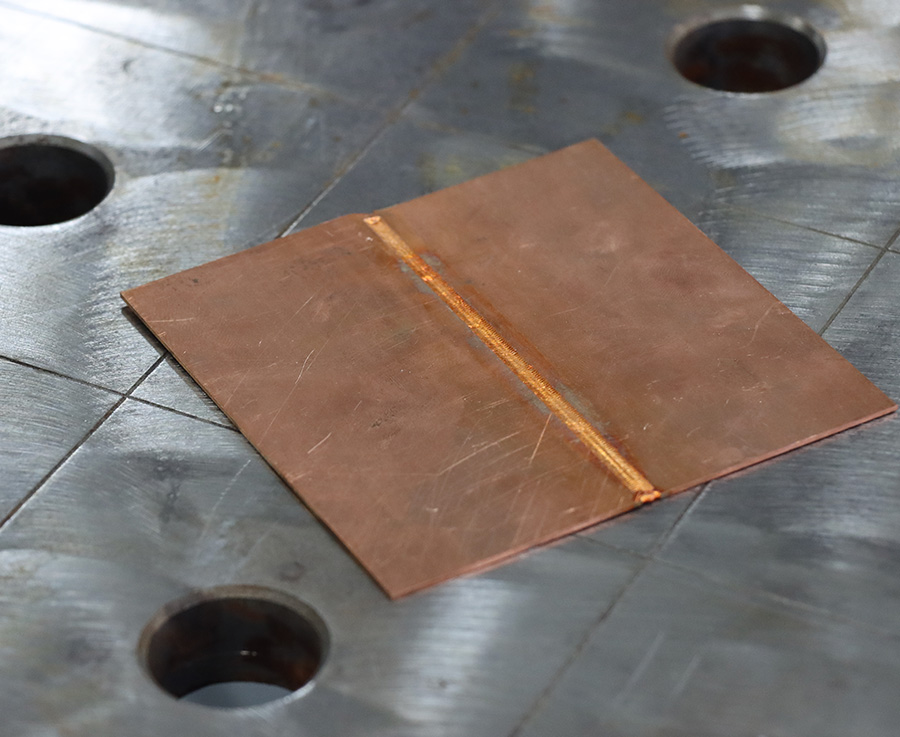
1mm Red Copper Mosaic Welding
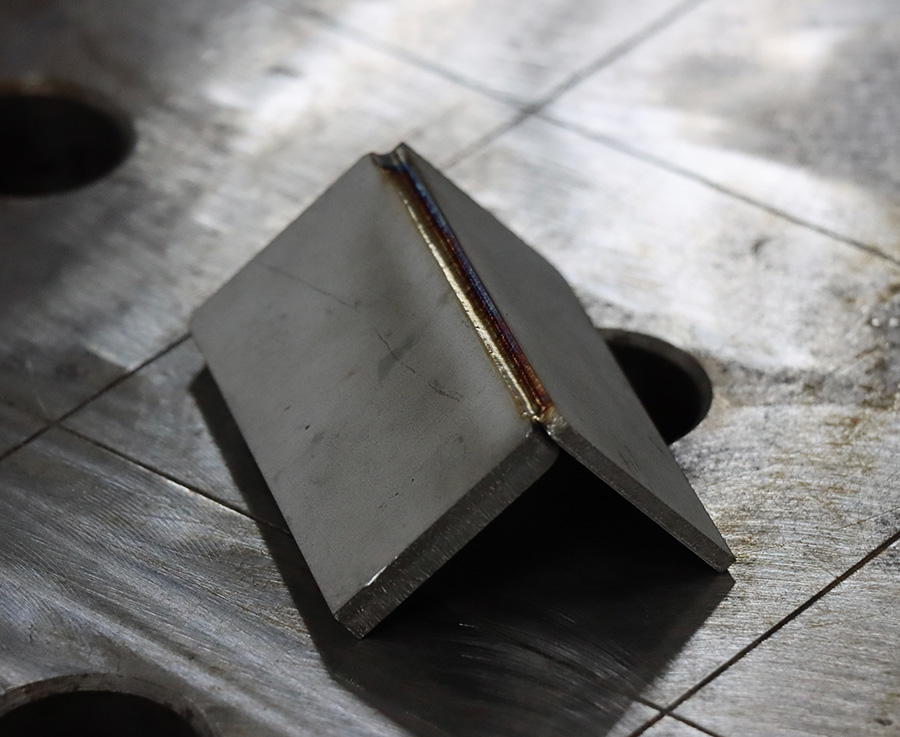
2mm-6mm Stainless Steel Outer Corner Welding
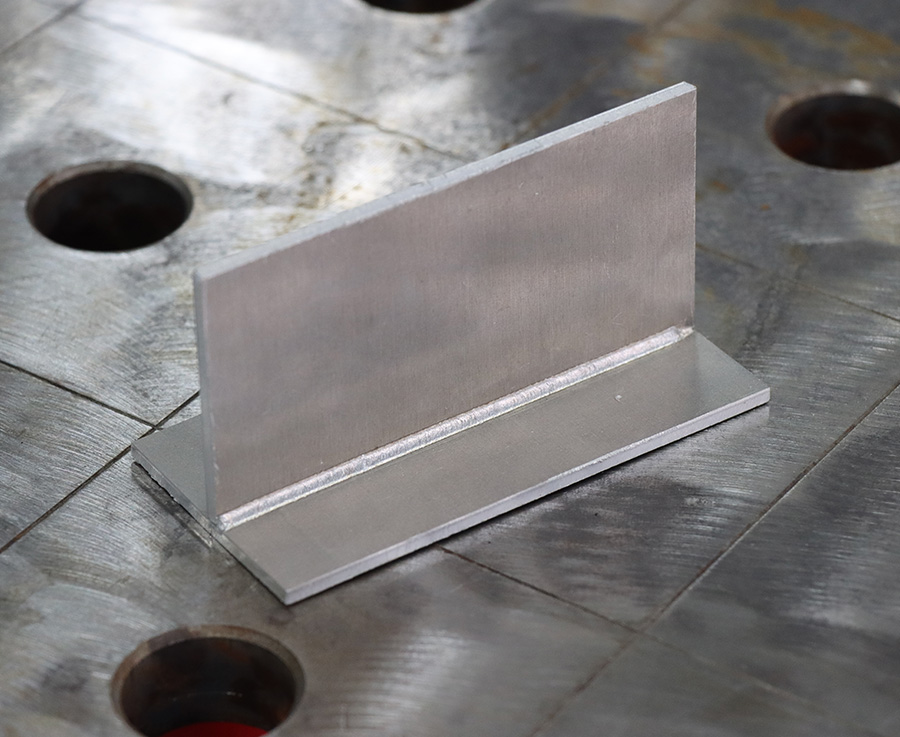
3mm Aluminum Alloy Corner Welding
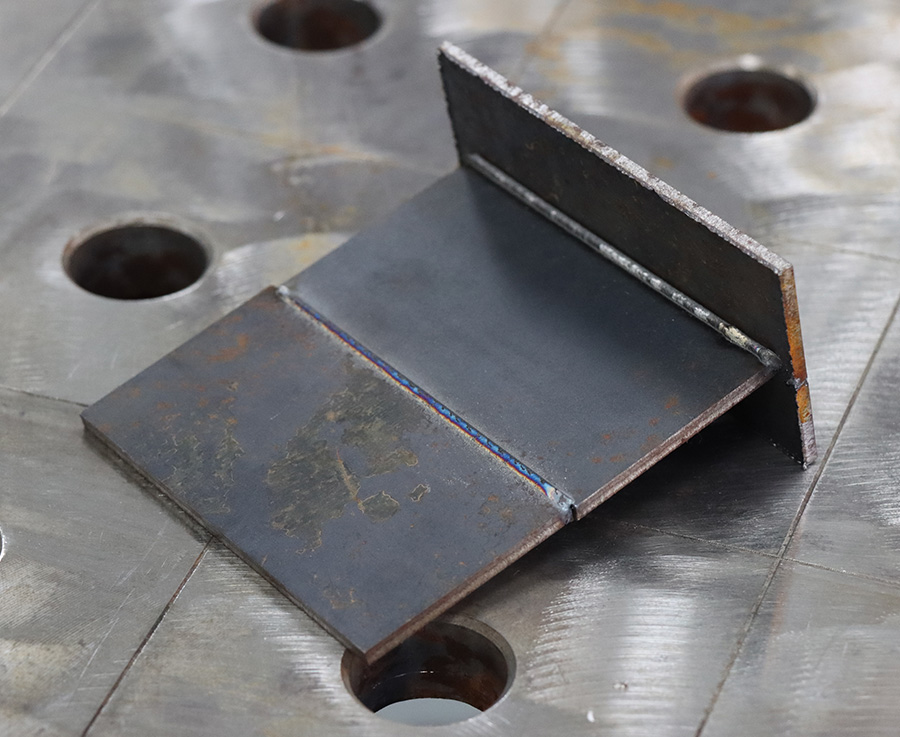
4mm Carbon Steel Corner Welding and Mosaic Welding
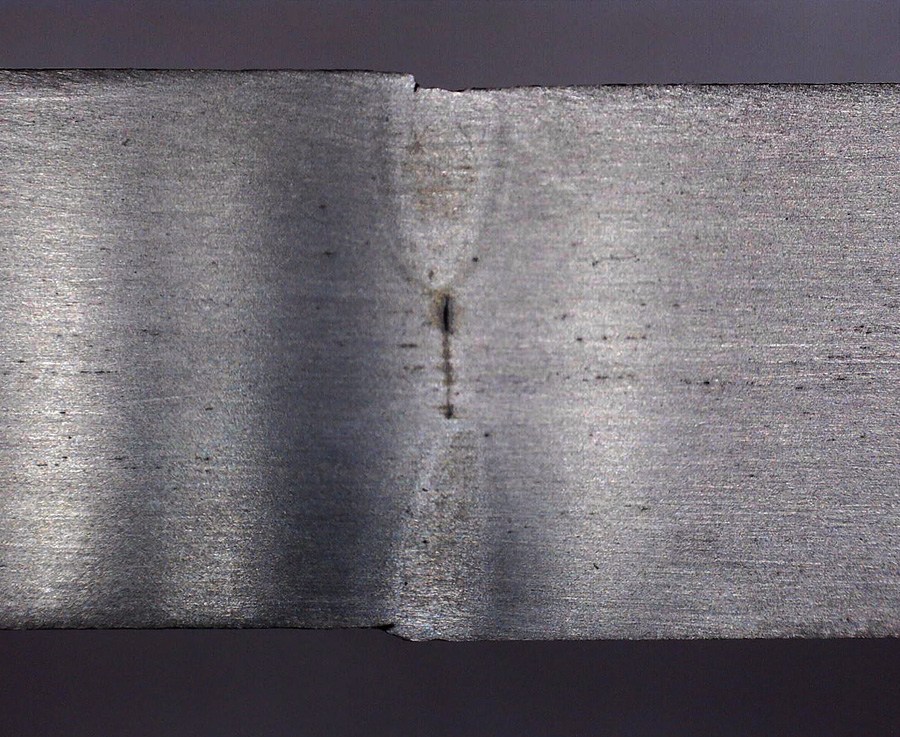
12mm Carbon Steel Double-sided Welding with a Penetration Depth of 10mm
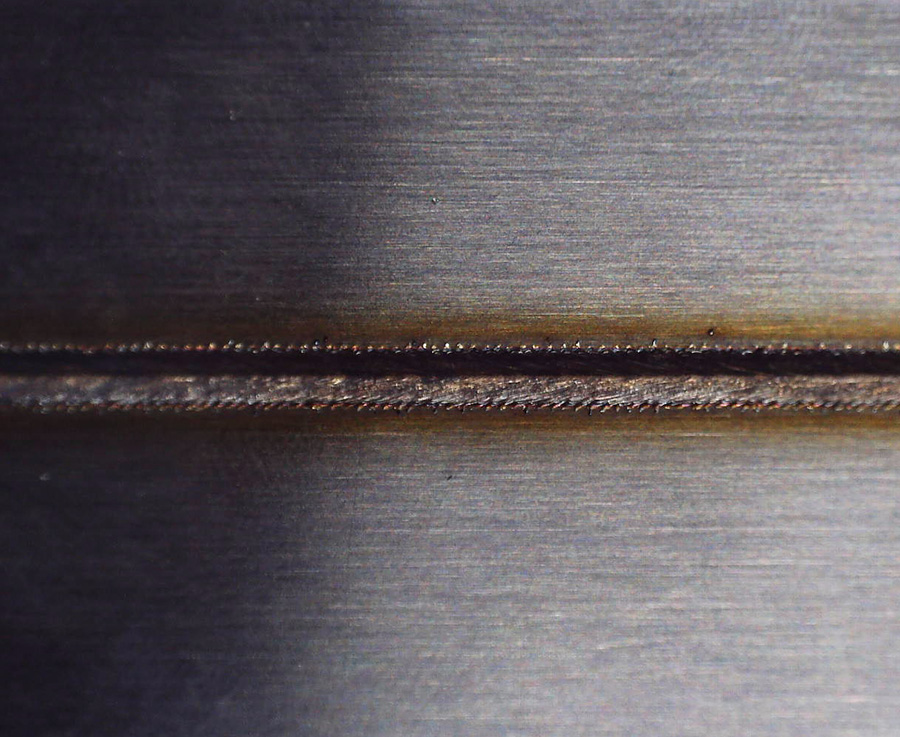
Stainless Steel Overlap Welding
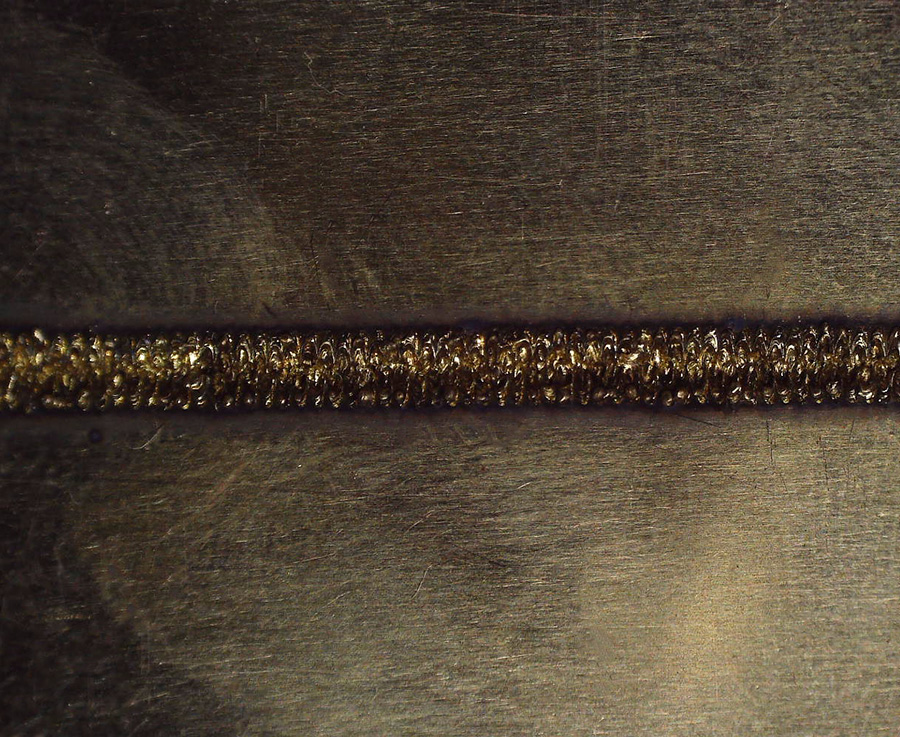
Brass Overlap Welding
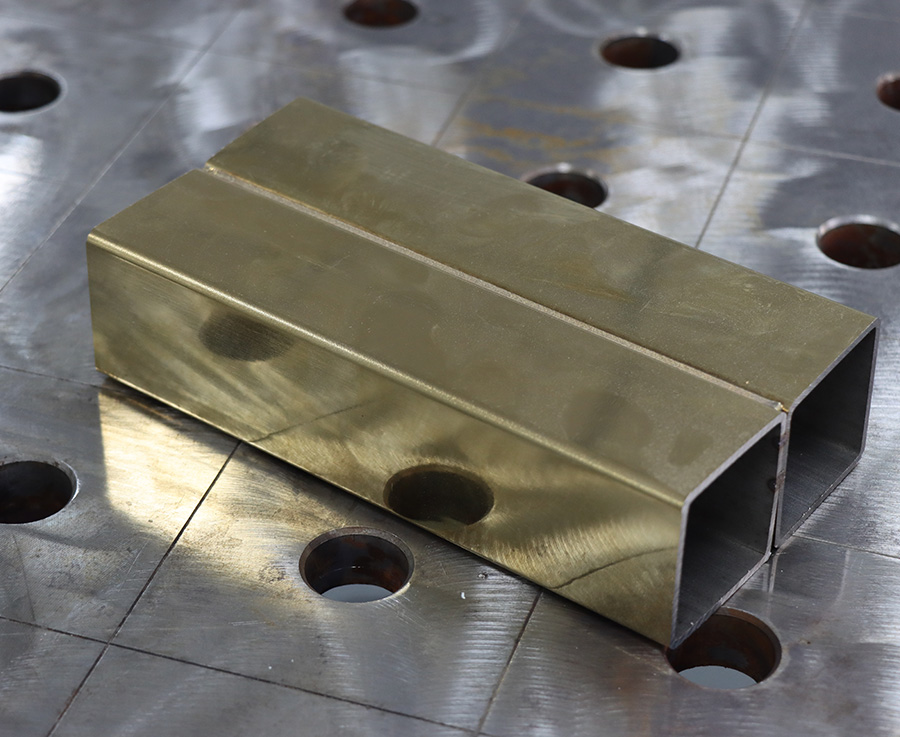
Titanium Stainless Steel Wire Filling Mosaic Welding
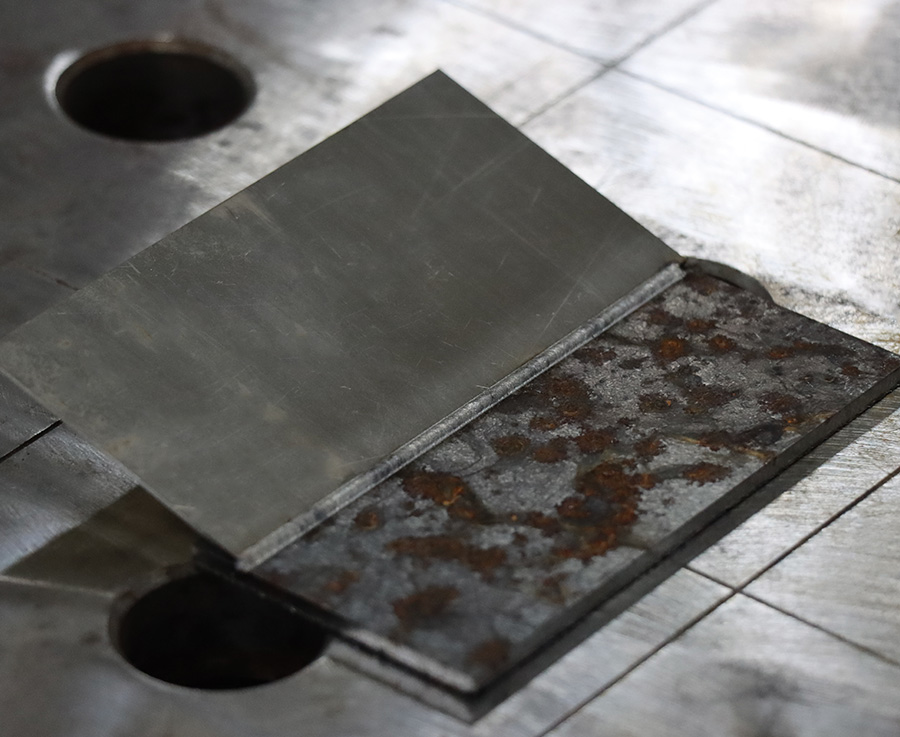
Welding of Dissimilar Materials
- 1mm Red Copper Mosaic Welding
- 2mm-6mm Stainless Steel Outer Corner Welding
- 3mm Aluminum Alloy Corner Welding
- 4mm Carbon Steel Corner Welding and Mosaic Welding
- 12mm Carbon Steel Double-sided Welding with a Penetration Depth of 10mm
- Stainless Steel Overlap Welding
- Brass Overlap Welding
- Titanium Stainless Steel Wire Filling Mosaic Welding
- Welding of Dissimilar Materials
Application Scenarios of High-efficiency Laser Welding
High-efficiency laser welding is widely used in many fields such as automotive, aerospace, electronics, medical, energy, home appliances, jewelry, and mold manufacturing. With its high precision, high speed, and high flexibility, it has become a key technology in modern manufacturing.
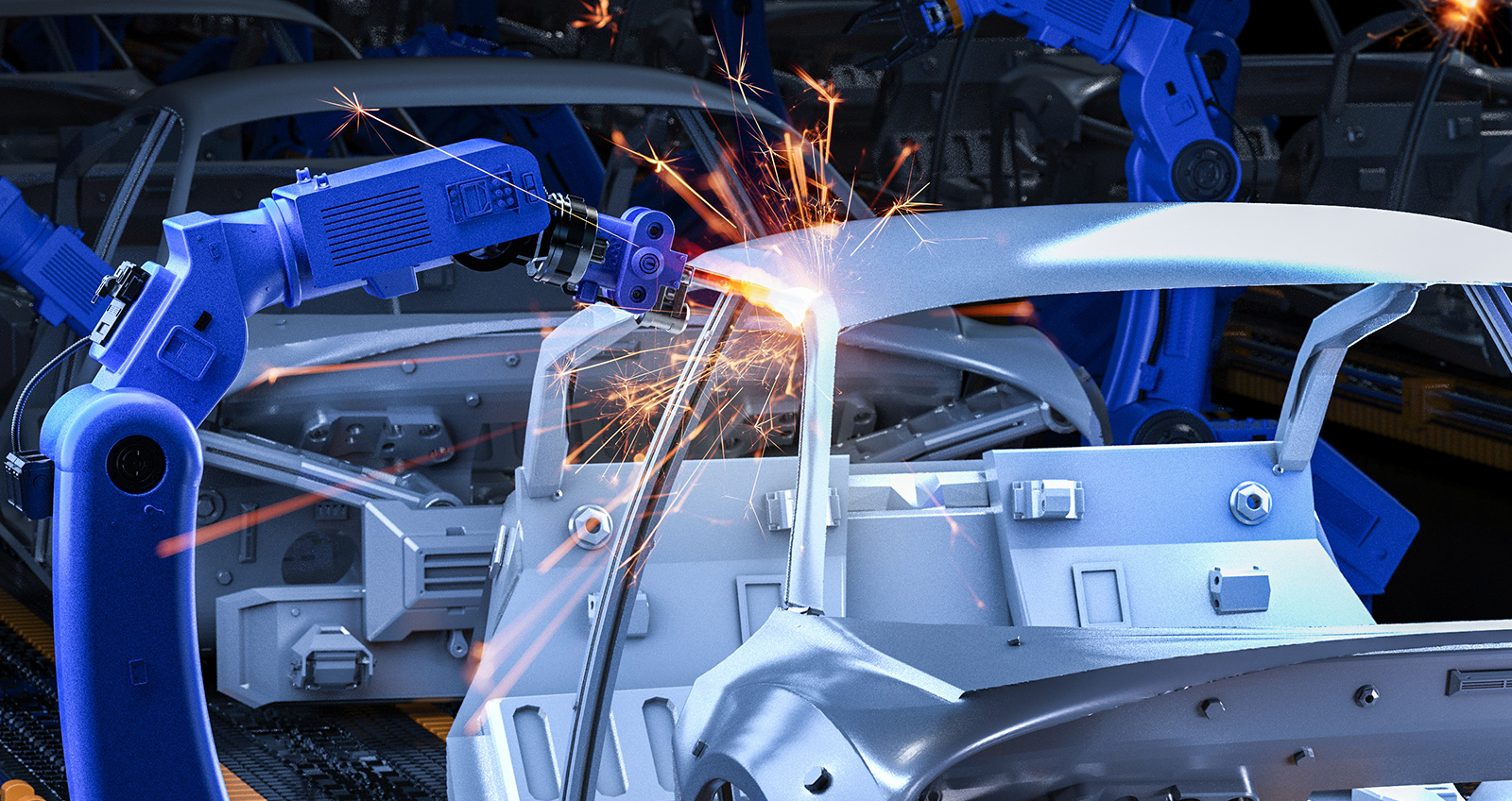
Comparison of Advantages between Traditional Welding and Fiber Lasers
Nowadays, to maintain market competitiveness, it is necessary to reduce costs, improve efficiency, and ensure stable part quality. However, traditional technologies cannot meet these requirements. More and more manufacturers are shifting from traditional welding technologies to using fiber lasers for welding
Gas Metal Arc Welding (GMAW) with CO₂ Shielding Gas
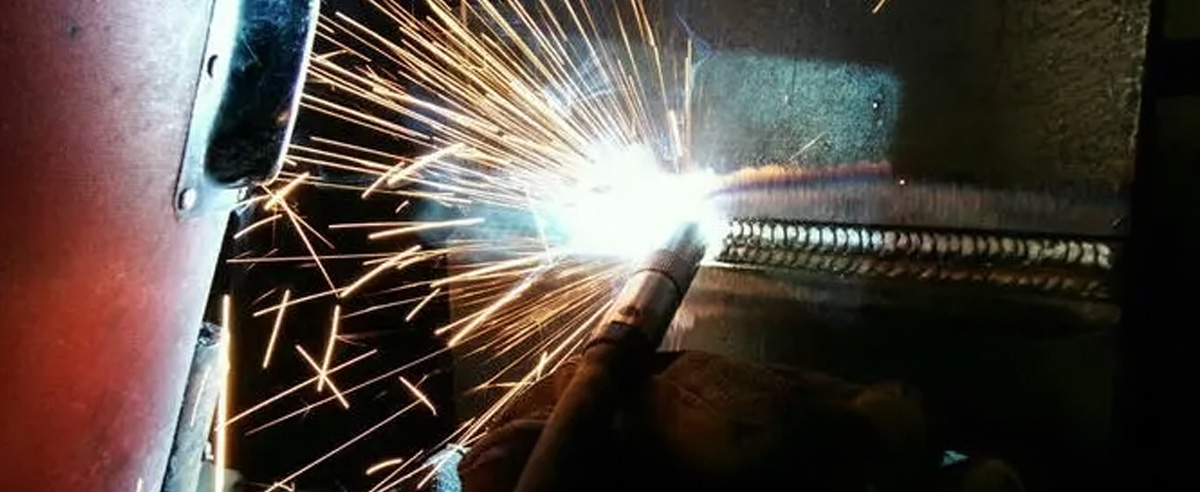
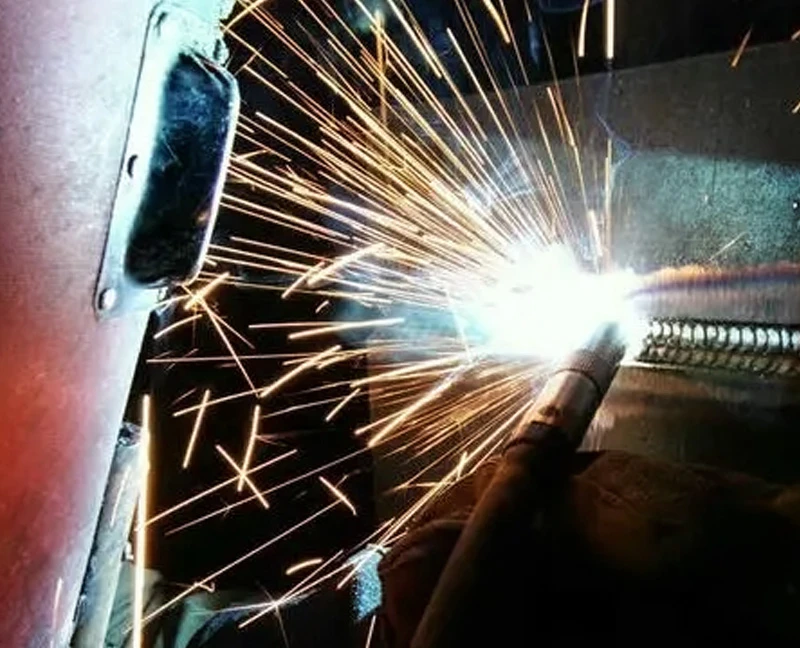 GMAW with CO₂ shielding gas is suitable for welding various large-scale steel structure projects made of low-carbon steel and low-alloy high-strength steel. It has high welding productivity, good crack resistance, small welding deformation, and can be used for welding thin plates and medium-thick plates. However, there will be more metal spatter during the welding process
Laser Welding
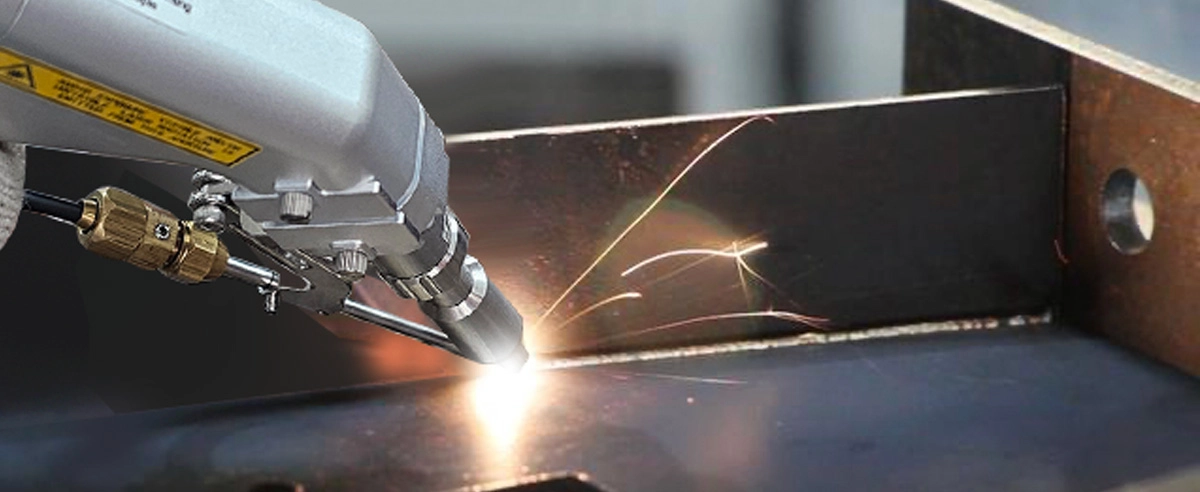
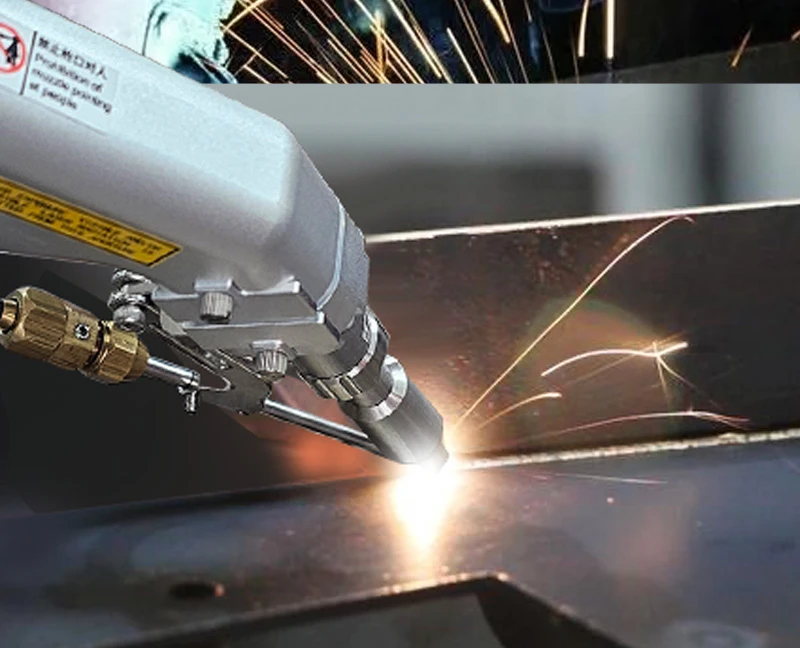 Laser welding has a high depth-to-width ratio, a narrow weld seam, a small heat-affected zone, small deformation, a fast welding speed, a beautiful weld seam, and very little welding spatter

Gas Tungsten Arc Welding (GTAW)
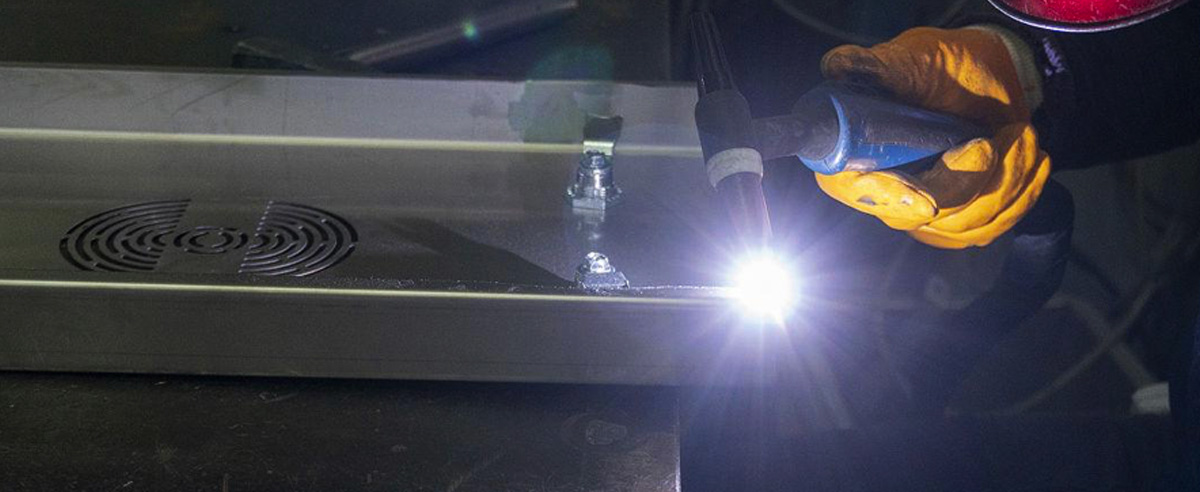
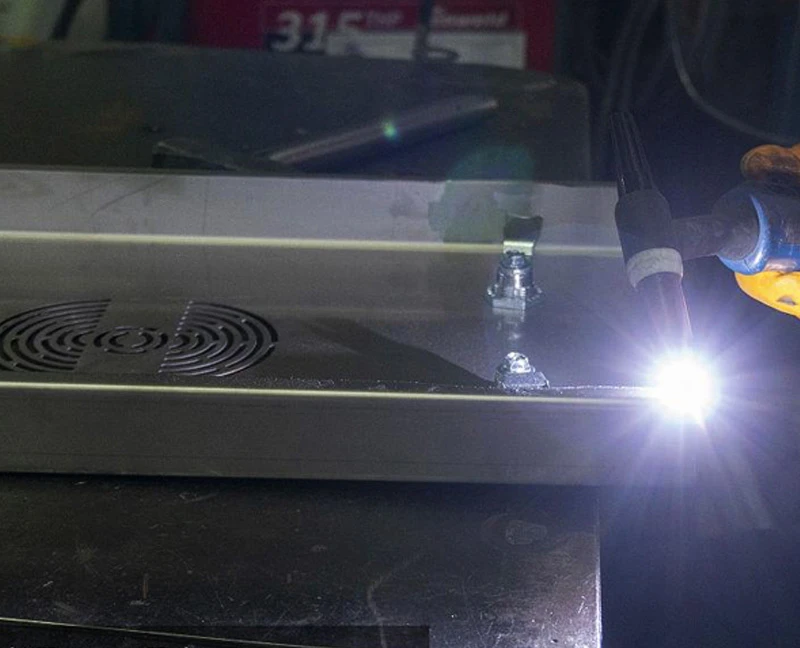 GTAW is a manual welding process that requires the use of a non-consumable tungsten electrode, an inert or semi-inert gas mixture, and a separate filler material, and it can only be completed at a relatively low speed
Laser Welding
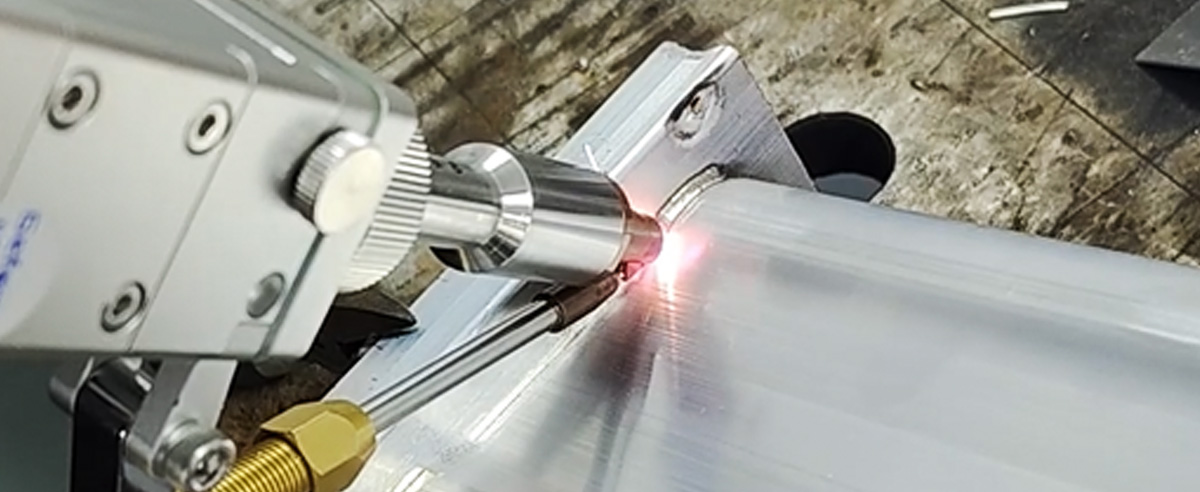
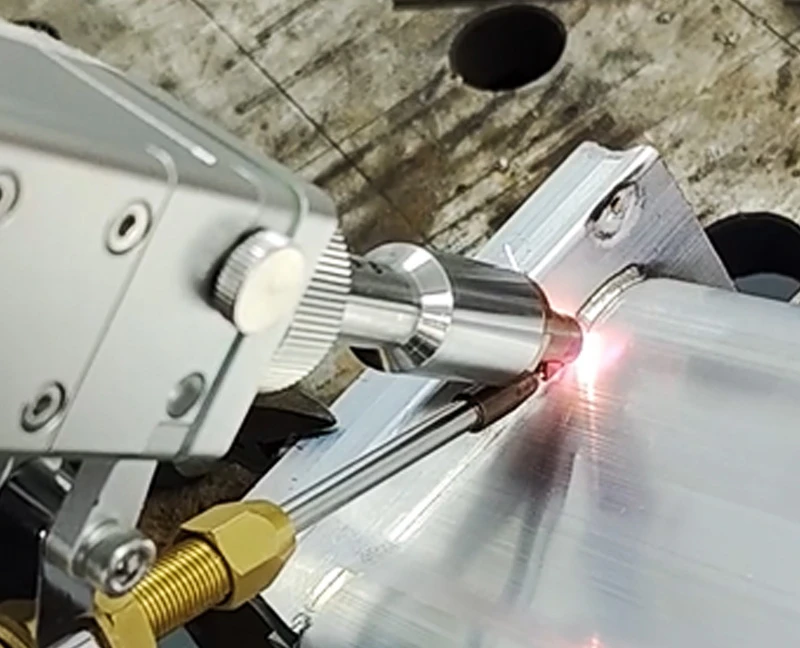 The speed of laser welding is increased by 10 times, the heat input is relatively small, and it does not require the operator to precisely control the arc to control the generation and intensity of the discharge. The requirements for the operator are extremely low
Gas Metal Arc Welding (GMAW)
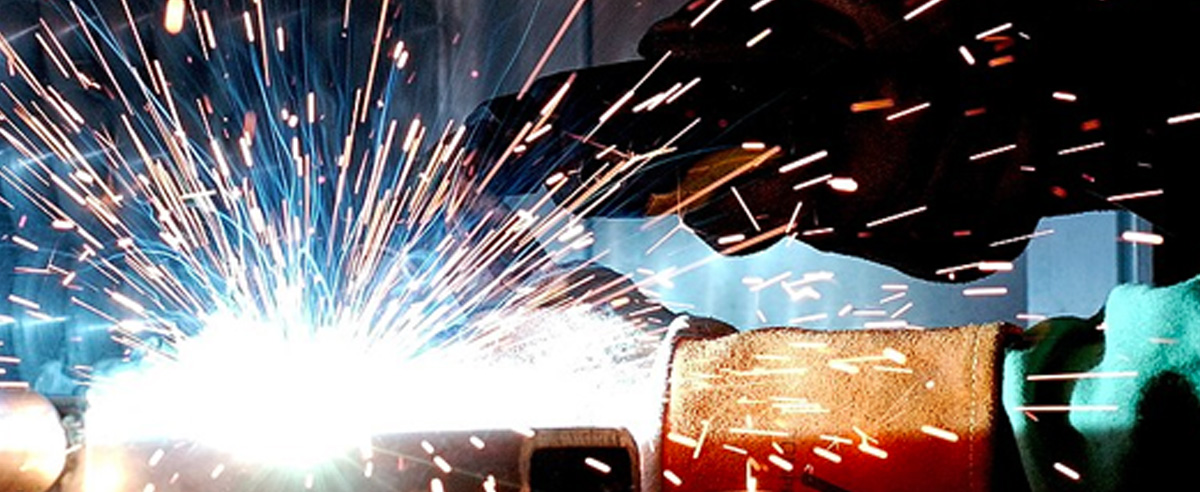
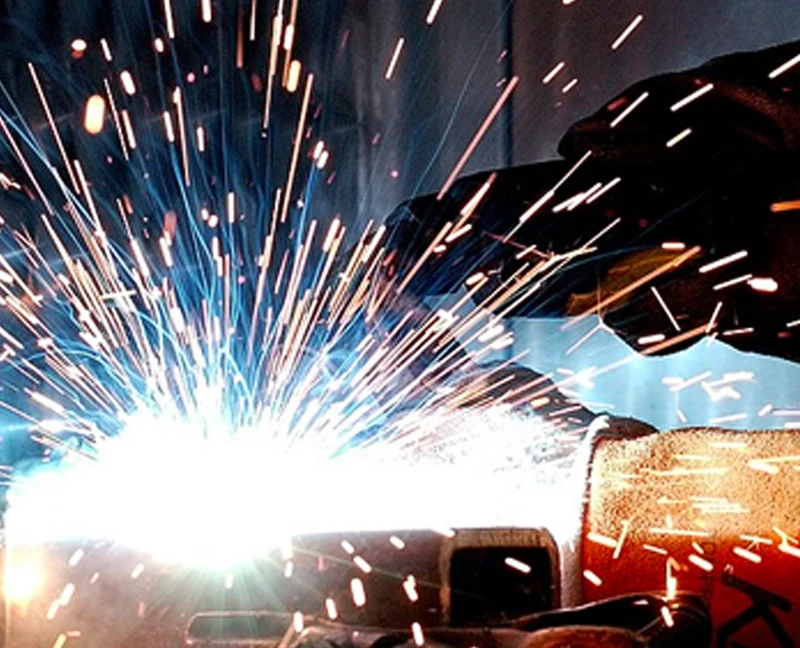 GMAW is a semi-automatic or automatic process that uses a continuous wire feed as the electrode and an inert or semi-inert gas mixture to protect the weld seam from contamination. It is suitable for larger and poorly installed parts
Laser Welding
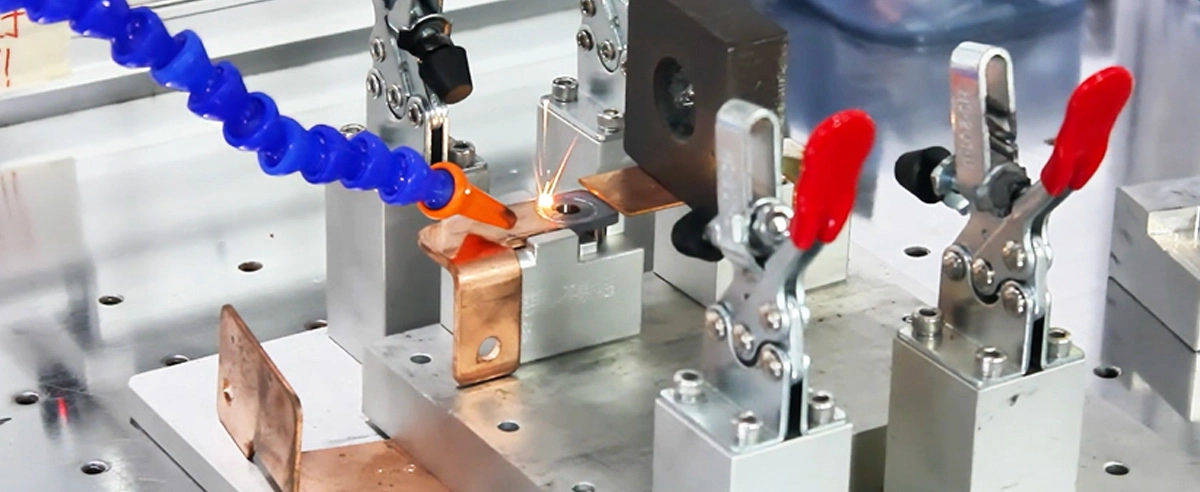
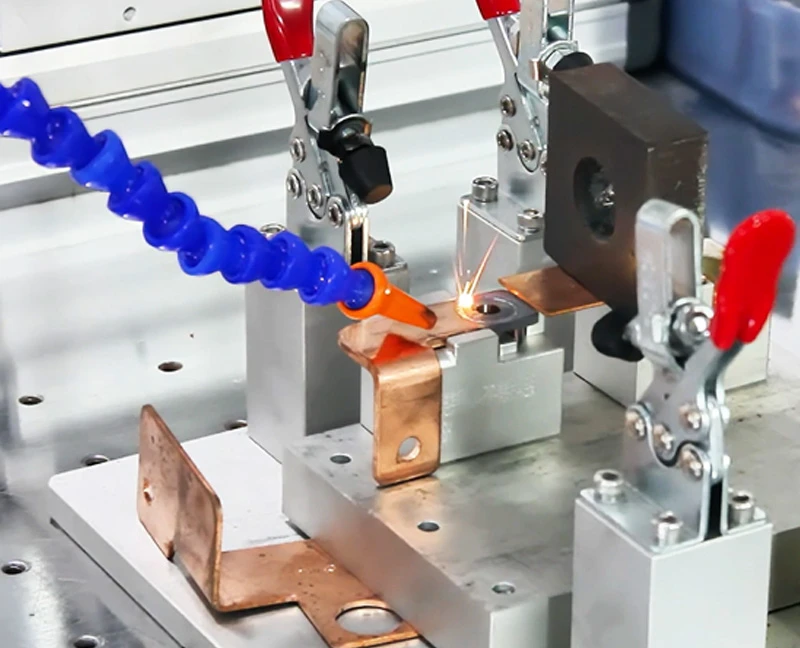 Laser welding can provide a welding process with high precision and controllability. It has the ability to precisely control the laser beam, thus achieving a narrow and deep weld seam. Moreover, the heat input is very small, and it can weld thin materials and precision components without damaging the materials

 0