
What is laser?
Laser is an abbreviation for "Light Amplification by Stimulated Emission of Radiation", meaning "the amplification of light through stimulated radiation". The generation of lasers relies on stimulated radiation, which occurs through specific materials such as gases, semiconductors, solids, or liquids under the influence of external energy. Laser beams typically have a very single wavelength, meaning that the light emitted by the laser source is almost indistinguishable in the spectrum and is almost pure in color. The propagation direction of laser beams is very precise, with concentrated energy that can be emitted in a very concentrated manner, even maintaining focus at long distances.
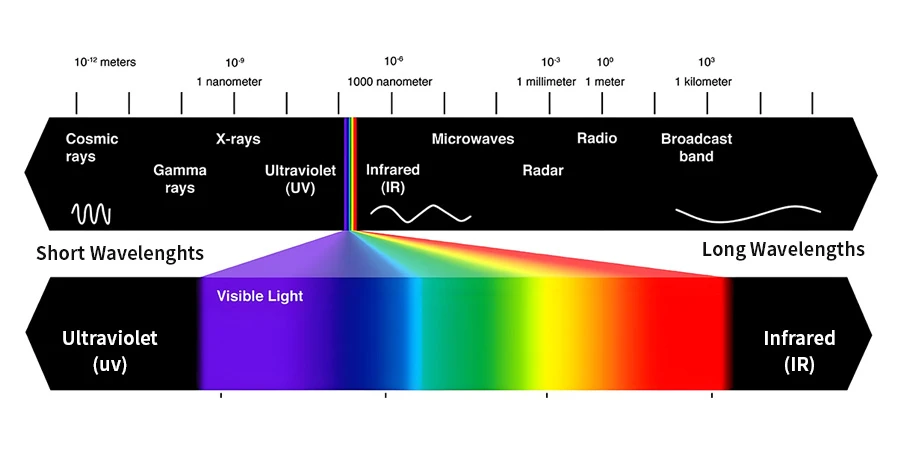
Application Fields of Laser
- Industrial manufacturingLaser cutting, welding, drilling and other technologies are widely used in the processing of metals, plastics, wood and other materials due to their high precision, high efficiency, and non-contact processing characteristics. They can reduce material waste and improve production efficiency
- BiomedicalLaser has a wide range of applications in the medical field, such as laser surgery, laser beauty, laser therapy, etc. Laser can accurately cut or solidify tissues, reducing damage to surrounding healthy tissues; In addition, lasers are widely used in fields such as tumor treatment, dentistry, and physical therapy
- Communication technologyLaser driven optical fiber communication, realizing long-distance high-speed data transmission, is widely used in the Internet, television, telephone and other fields. Lidar has shown great potential in autonomous driving, surveying, and environmental monitoring.
- Military weaponsLaser also has important applications in the military field, such as guidance and air defense systems, demonstrating its advantages in high precision and high speed
What is a fiber laser
Fiber laser is a type of laser that uses fiber as a gain medium. Unlike traditional solid-state lasers or gas lasers, the core of fiber lasers is the fiber, not the crystal or gas. Fiber laser is a type of solid-state laser. Its working principle is that the light emitted by the pump source is coupled into the fiber doped with rare earth elements through a reflection mirror, causing rare earth ions to undergo energy level transitions, achieve particle number inversion, and ultimately form a stable laser output through a resonant cavity
The pump laser diode outputs 980nm pump light, which is coupled into an active fiber through an optical fiber. The active fiber is doped with rare earth element ytterbium ion Yb, which absorbs the 980nm pump light. The inner layer electrons are excited to the outer layer, and the outer layer electrons are unstable and fall back to the inner layer, generating 1070nm photons. The photons are continuously reflected and enhanced by two reflective devices inside the fiber, forming a laser output.
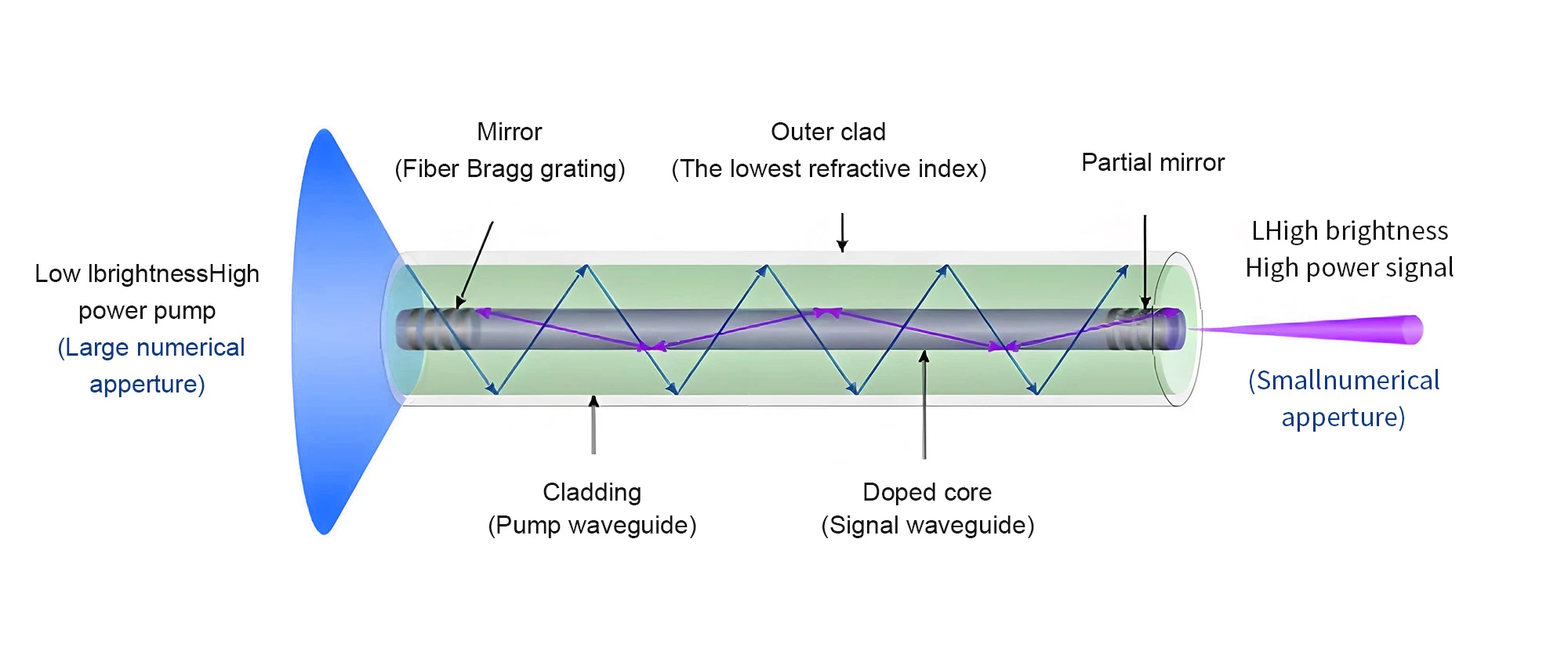
Fiber optic is a transmission medium that utilizes the principle of total reflection of light to transmit light
It consists of three parts: fiber core, cladding, and coating layer. The fiber core is located at the center of the optical fiber and is composed of high-purity silicon dioxide (i.e. glass), responsible for transmitting optical signals. The cladding is located around the fiber core and is also composed of high-purity silicon dioxide, but with a slightly lower refractive index than the fiber core. It provides a reflective surface and optical isolation for the transmission of light, ensuring that the optical signal undergoes total reflection at the interface between the fiber core and the cladding without leaking to the outside, while also providing some mechanical protection. The coating layer is the outermost layer of the optical fiber, composed of acrylic ester, silicone rubber, and nylon, which protects the optical fiber from water vapor erosion and mechanical abrasions. When light enters the fiber core at a certain angle, it will continuously reflect between the core and the cladding, and then propagate along the fiber optic cable. During this process, the loss of optical signals will be much lower than that of electrical signal transmission in network cables
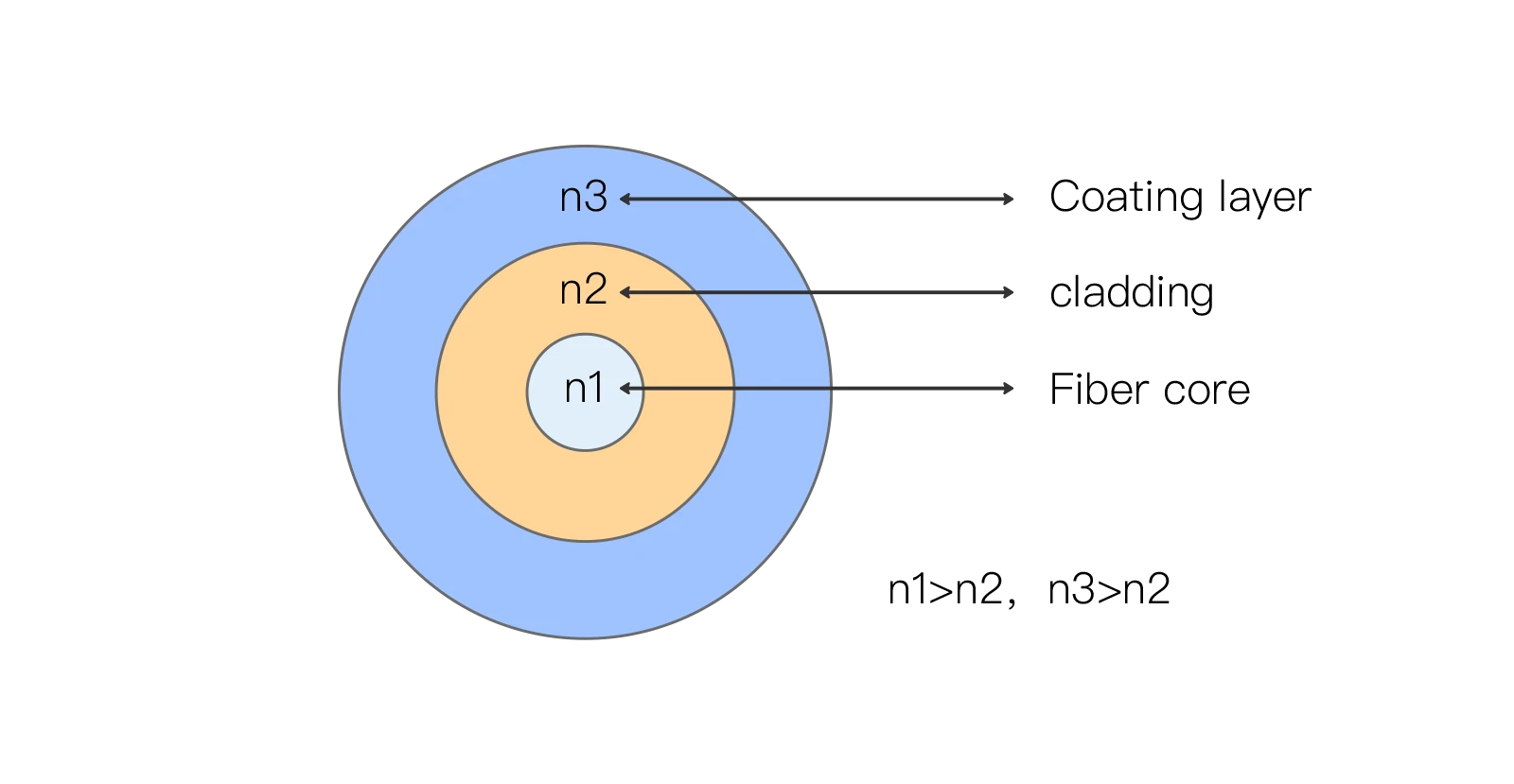 The structure of optical fiber: core, cladding, coating layer
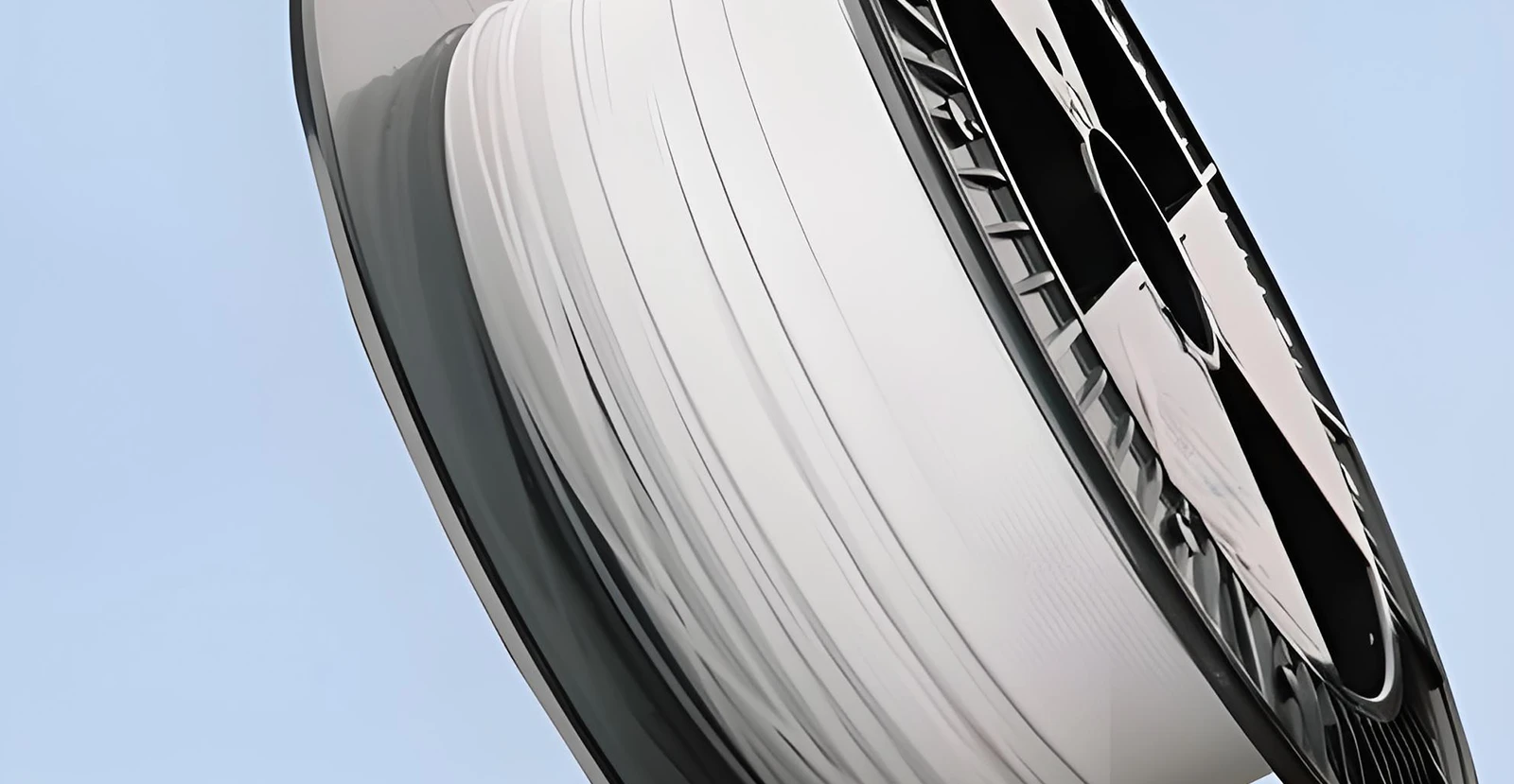 Material of optical fiber: silica quartz glass material
Pump secondary body
The pumping secondary body is a key component in high brightness fiber lasers, especially playing an important role in 976nm pumping technology.
Pumping itself is a process of using light to raise electrons from lower energy levels in atoms or molecules to higher energy levels, typically used in laser structures to pump laser media for group inversion. The pumping secondary body, as a specific component in this pumping process, occupies an important position in fiber laser technology. Especially in 976nm pump technology, the high brightness characteristics of the pump diode make it the key to achieving high-performance fiber lasers.
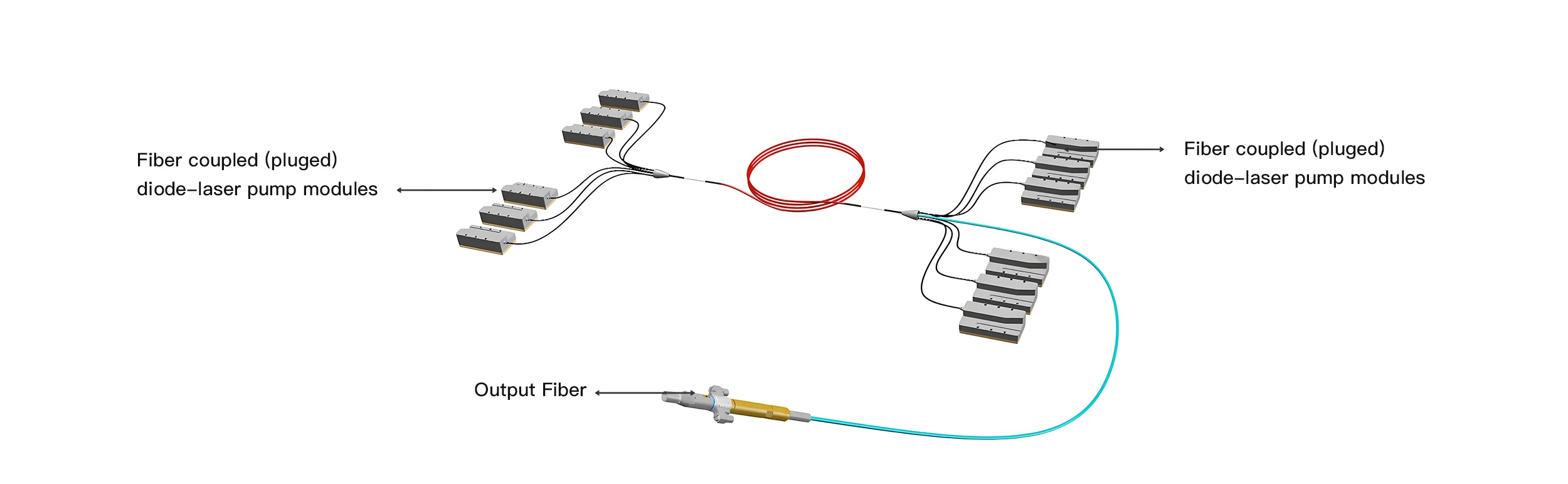
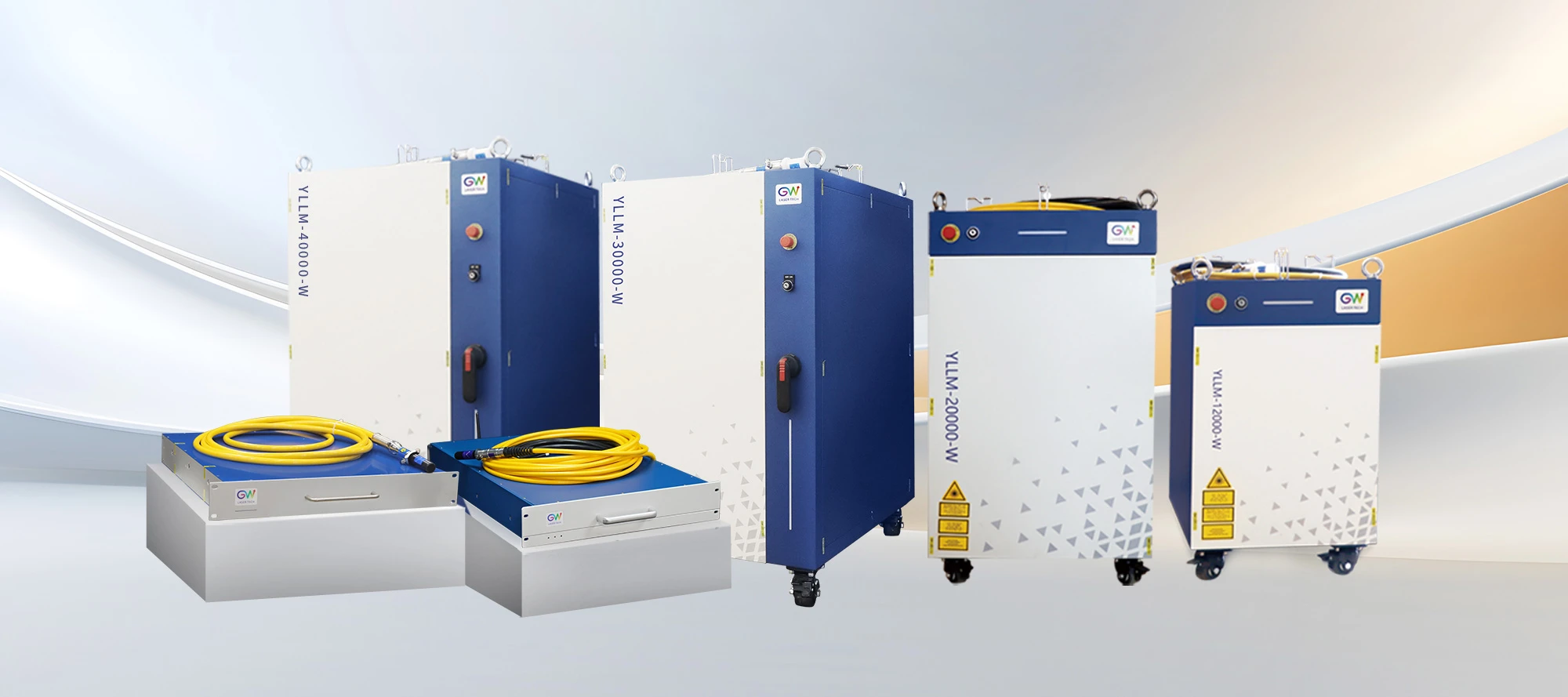
Understand the fiber laser of GW
Main components of GW fiber laser:
Drive circuit, cooler, pump two-stage body, combiner, grating, gain fiber, transmission fiber (QBH/QD)
Leave Your Message
We will reply you via email in 24 hours(Except holidays)
- Follow us

 0