
In the current era of rapid economic globalization, high-end manufacturing industry relies on independent innovation to transform towards "lightweight, high-precision, and extreme resistance", which has become the key to breaking through the situation. Breakthroughs in material performance and upgrades in processing technology have become the core driving forces. Poly (phthalamide) (PPA) has become the core choice for replacing metal materials to achieve lightweight, cost reduction and efficiency improvement due to its excellent high temperature resistance, chemical corrosion resistance and mechanical properties. The intervention of high-performance laser technology has completely solved the industry pain points of PPA processing. The deep integration of the two is reshaping the manufacturing pattern of new energy vehicles, 5G communication, medical and other fields.
PPA material
The 'heat-resistant king' in special engineering plastics
PPA (Polyphthalamide), as a semi aromatic polyamide special engineering plastic, has the core characteristics of "three resistances and one strength", namely high temperature resistance, chemical corrosion resistance, extreme temperature difference resistance, and high strength. From the perspective of performance parameters, PPA has particularly outstanding temperature resistance, which can achieve long-term stable operation at 130 ℃, short-term resistance to 230 ℃ soldering high temperature, and even maintain dimensional stability (dimensional change rate<0.1%) in reflow soldering process at 260 ℃, far exceeding conventional engineering plastics such as PBT and PA66; In terms of chemical corrosion resistance, PPA can maintain long-term performance stability in environments such as engine oil, brake fluid, biodiesel, and high concentrations of sulfuric acid; In terms of mechanical properties, after being reinforced with fiberglass (such as 30% fiberglass modification), the tensile strength and rigidity of PPA are close to those of aluminum alloy, while its weight is only one-third of that of metal, providing core support for lightweight design; In addition, PPA also has low moisture absorption (water absorption rate<0.5%) and excellent electrical insulation, which meets the high reliability requirements of the electronic and electrical field.
With the explosive demand for lightweight new energy vehicles, high-frequency 5G base stations, and precision medical equipment, PPA has transformed from "niche special materials" to "large-scale application materials". However, the current industry is facing two major bottlenecks: one is the upgrading of material modification segmentation requirements, such as the research and application of flame retardant grade (UL94 V0 grade) and bio based PPA, which puts forward stricter requirements for processing technology; The second limitation is the traditional processing technology, which is prone to producing burrs during mechanical cutting, insufficient injection molding accuracy (unable to meet the requirements of micrometer level structures), and high chemical etching pollution. These pain points restrict the full release of PPA performance.
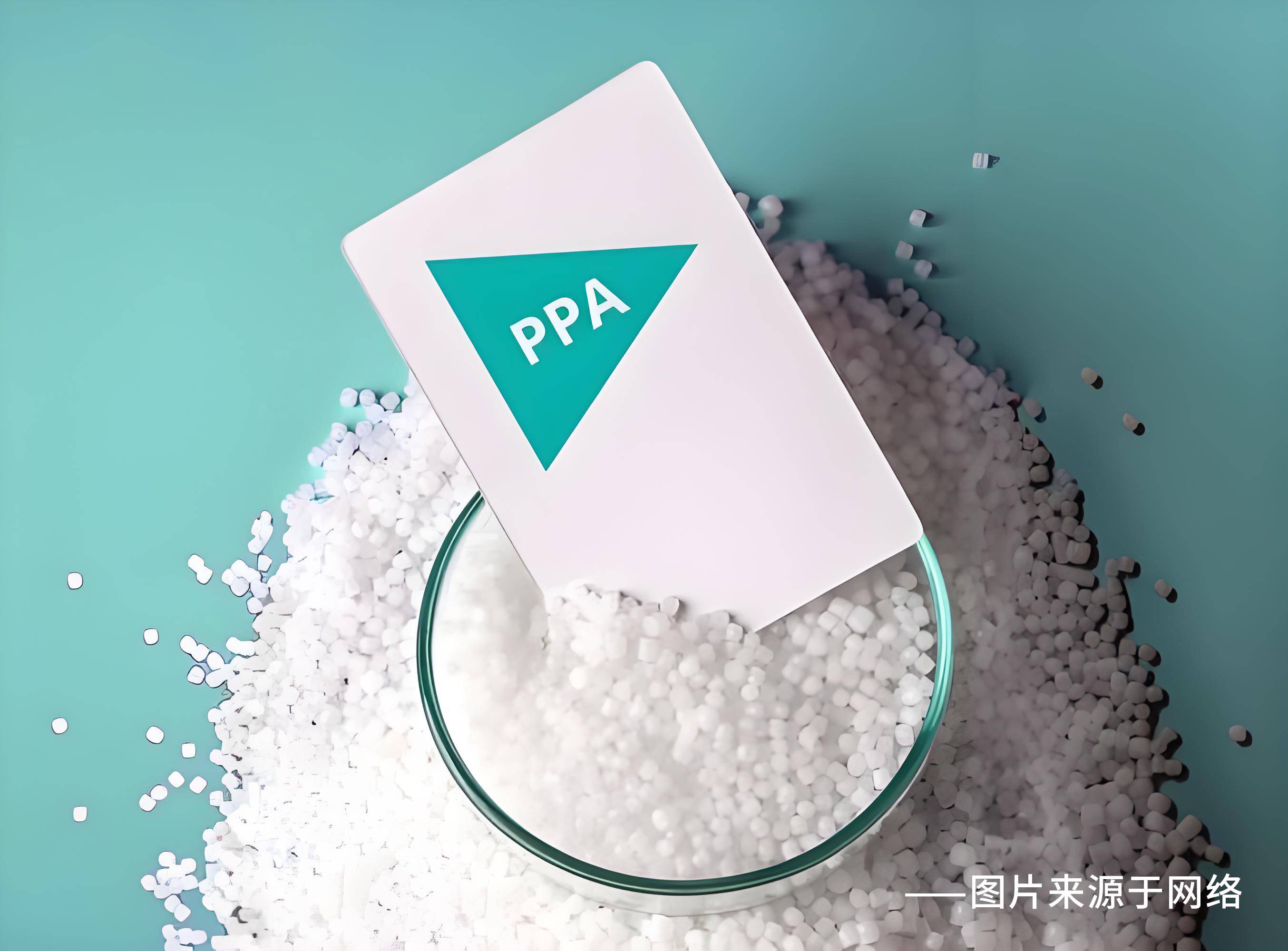
Pain points of PPA material application
Precise breakthrough with laser technology
The "high performance" and "difficult processing" of PPA materials always coexist, and different application fields face different processing pain points due to differences in working conditions. Laser technology, with its micrometer level precision control, extreme environmental adaptability, and cold processing characteristics, provides customized solutions for various fields, achieving the triple value of "processing accuracy improvement+material performance protection+production efficiency optimization".
(1) Automotive industry
Laser technology solves the processing pain points of lightweight and high-temperature resistant components
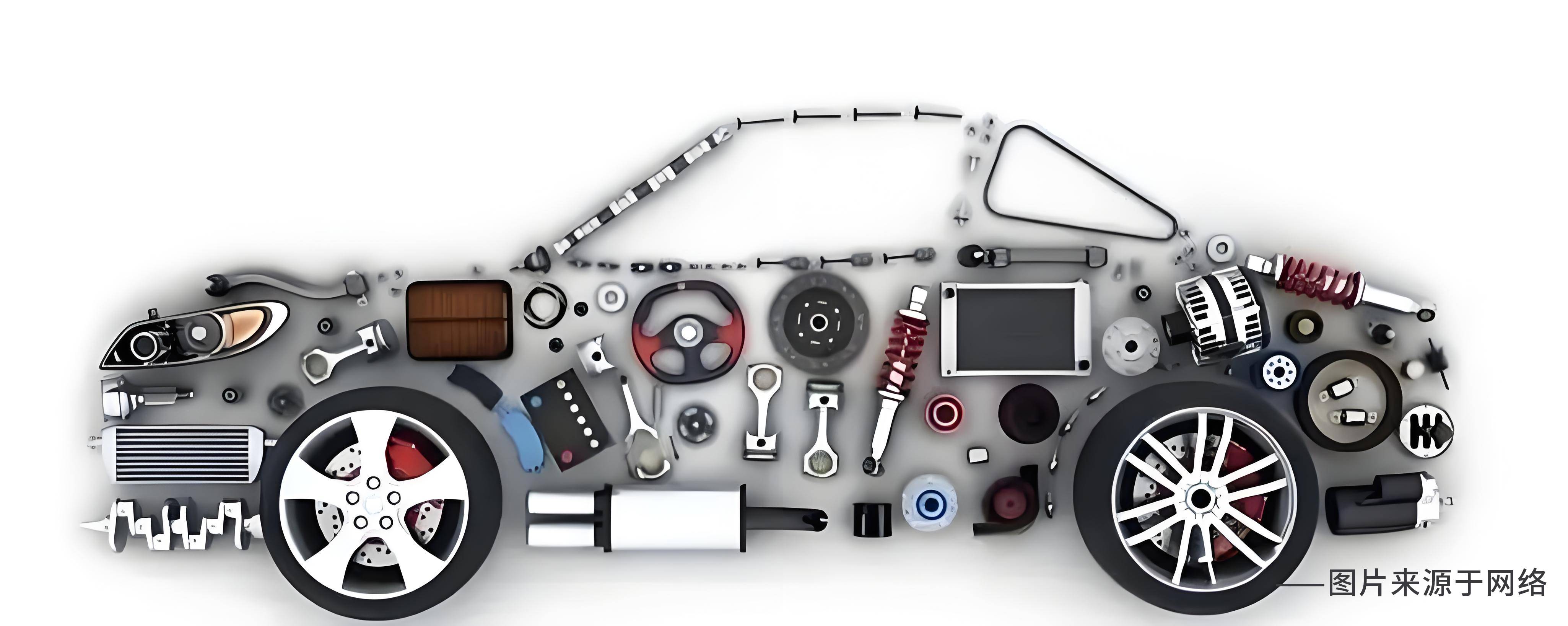
The automotive industry is the core application scenario of PPA materials, mainly used for high-temperature components in engine compartments (turbocharger actuators, thermostat housings) and lighting systems (headlight reflectors), facing two major processing pain points: first, the contradiction between high precision and low damage, mechanical cutting tools are prone to produce burrs and material stress; The second is the reliability requirement for multi-component splicing. PPA fuel pipe joints and clutch components need to be seamlessly spliced, while traditional adhesive bonding has a short service life and is prone to leakage.
GW Guanghui Laser provides precise solutions to these pain points: in the processing of key components in the fuel system, laser cutting technology solves the burr problem of PPA fuel pipe joints, improves the sealing performance of joint assembly, and directly reduces the risk of oil leakage, far exceeding the process limit of mechanical tool processing. Perfectly adapted to the range improvement and reliability requirements of new energy vehicles.
(2) Electronic and Electrical
Laser technology solves the processing challenges of extreme temperature differences and high-frequency scenes

PPA applications in the fields of 5G communication and consumer electronics (SMT connectors, 5G antenna brackets, 3D facial recognition modules) face dual challenges of high temperature stability and nanoscale structure processing. Firstly, in the 260 ℃ reflow soldering process, PPA components need to maintain dimensional stability, and traditional processing is prone to deformation due to thermal stress; The second is the precision requirement for high-frequency signal transmission, which cannot be met by conventional processes.
The "nano embroidery needle" feature of the laser perfectly solves these problems: in terms of reflow soldering stability, the PPA antenna bracket processed by the laser undergoes only one-third of the deformation of traditional injection molded parts in temperature difference cycles from -40 ℃ to 125 ℃, ensuring stable 5G signal transmission and smooth hole walls without slag.
(3) Extreme industrial environment
Laser technology solves processing problems under corrosion and wear
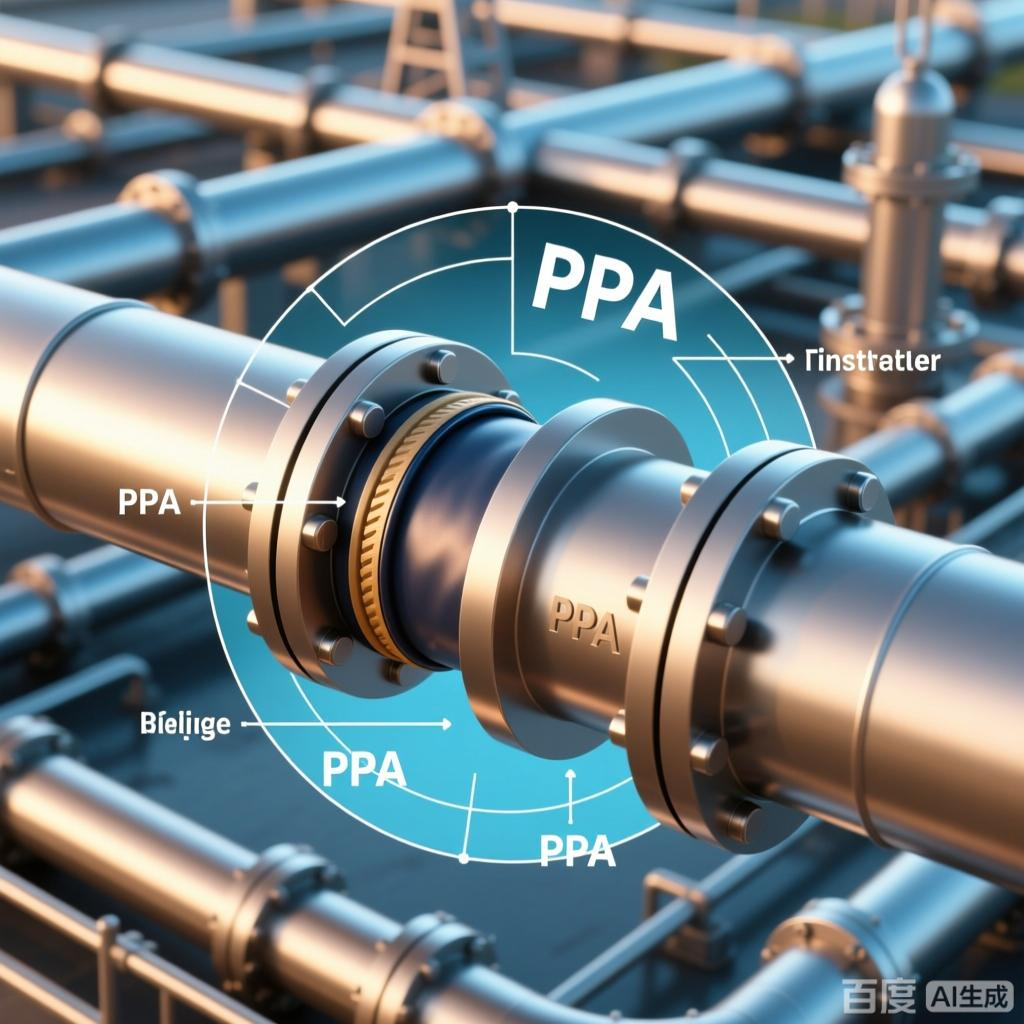
Under extreme working conditions such as chemical engineering and oil fields, PPA components (valves, seals, production valves) need to withstand strong corrosion and high temperature wear. Traditional processing has two major pain points: one is that mechanical cutting is prone to producing microcracks, which can cause media such as sulfuric acid and crude oil to penetrate and accelerate component failure; Secondly, the surface wear resistance of PPA is insufficient, and it is prone to wear under high-speed friction or particle impact, requiring an increase in surface hardness.
Laser technology achieves dual protection through "light processing": actual tests conducted by a certain oilfield enterprise have shown that PPA oil recovery valves treated with laser still maintain a tensile strength of 91% of their initial value after being soaked in 80 ℃ crude oil for one year, with performance close to stainless steel material, and a weight only one-third of metal valves, which can greatly reduce the operation and maintenance costs of oilfield production equipment.
(4) Medical field
Laser technology solves the processing pain points of lightweight and high-temperature resistant components
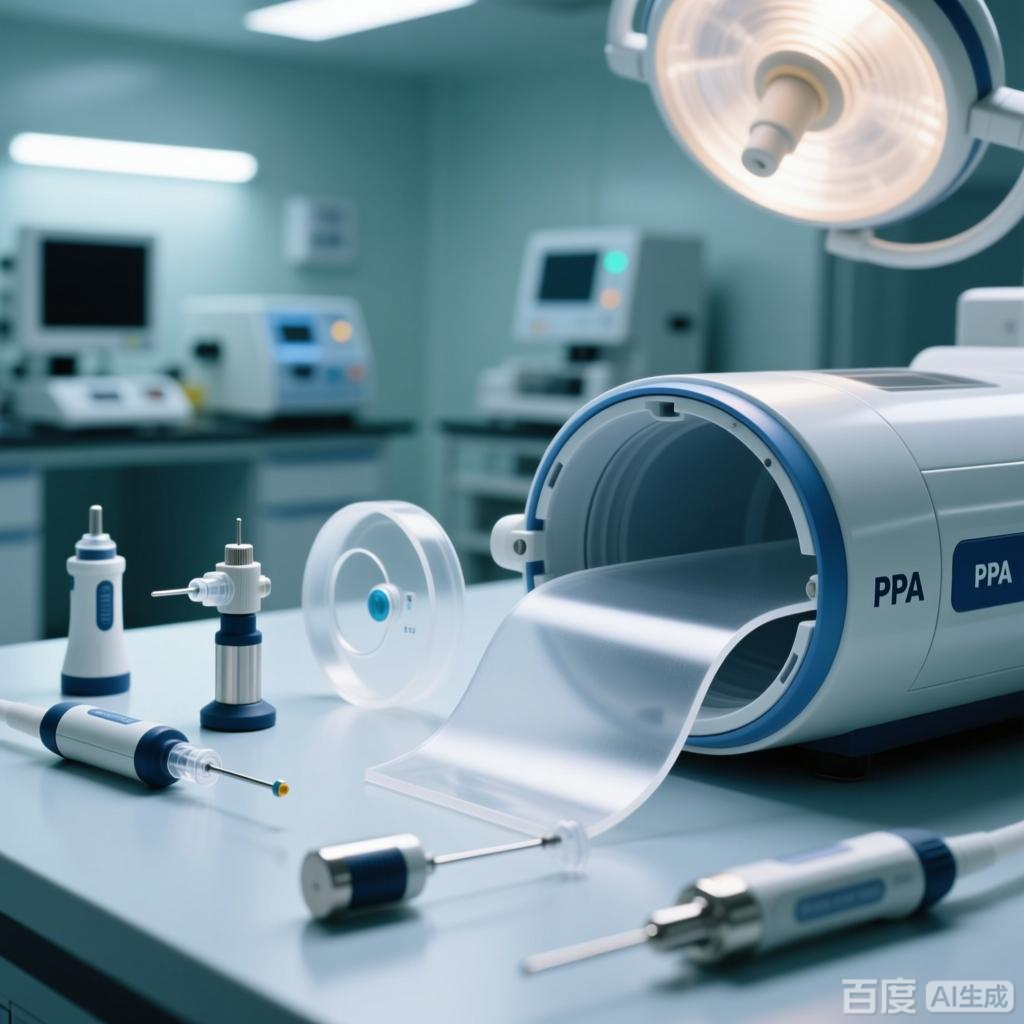
The application of PPA in the medical field (artificial joints, surgical instruments) requires extremely high surface roughness and biocompatibility: PPA for orthopedic surgical instruments needs a surface roughness of ≤ 0.2 microns to avoid bacterial adhesion and tissue irritation; Artificial joints require extremely low wear rates to ensure a service life of over 20 years. Laser technology can effectively achieve breakthroughs in medical grade PPA processing.
GW laser technology+PA
Reshaping the technological boundaries of high-end manufacturing
The performance advantages of PPA materials and the technological breakthroughs in laser technology are not simply a combination of "materials+tools", but have formed a collaborative closed loop of "performance requirements driving technological upgrades, technological upgrades releasing material potential". This closed loop is reshaping the technological boundaries and process innovations of high-end manufacturing.
Laser technology has solved the "core contradiction" of PPA processing, achieving a leap in processing accuracy from millimeter level, processing environment from room temperature to extreme, and processing mode from mechanical damage to cold processing. It provides more possibilities for the scale of material substitution, the greening of manufacturing processes, and the expansion of application boundaries. It is believed that with the continuous upgrading of material processing technology, PPA will further replace metal materials and become the core carrier of "lightweight+high reliability" in high-end manufacturing.
As a leading specialized and innovative enterprise in the laser industry, GW Guanghui Laser will focus on a full range of lasers as its core, continuously deepen collaborative innovation with PPA material application scenarios, promote high-end manufacturing towards the goal of "lighter, more precise, more durable, and greener", and provide core technical support for the transformation and upgrading of the global manufacturing industry.
END.
Make lasers a universal tool for all
- Follow us

 0
0