
In EV battery manufacturing, welding spatter is far more than a cosmetic defect — it poses severe safety risks.
Copper spatter particles landing on battery separators trigger micro-short circuits, which can escalate into thermal runaway within the battery pack.
This hazard chain explains why EV battery OEMs enforce a zero-tolerance policy for weld spatter: it is not merely a process flaw, but a critical safety hazard.
That is why the industry is shifting from conventional single-mode lasers to FRM (Fiber Ring Mode) technology.
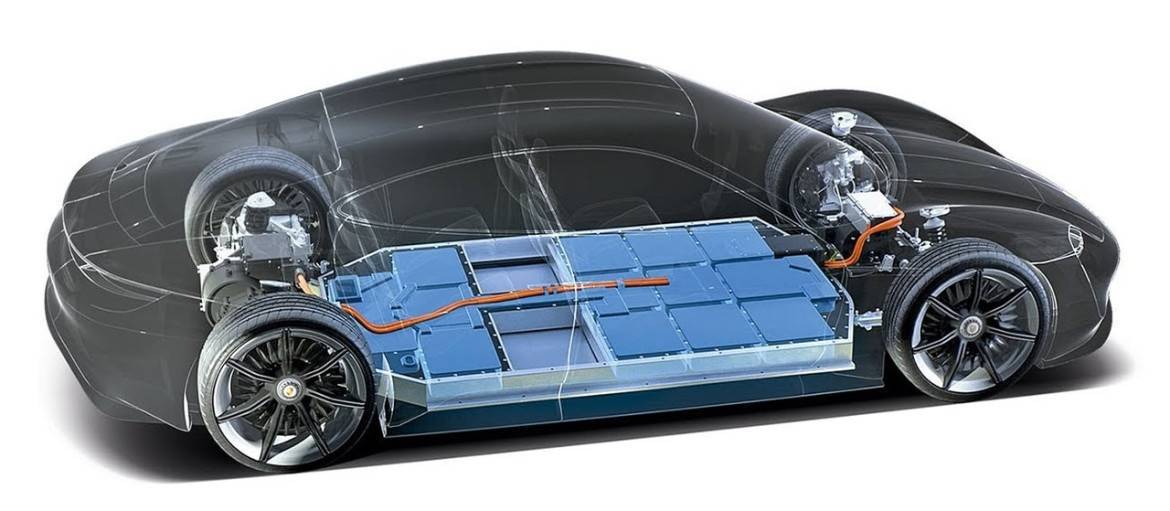
Image source: Internet
Root Cause of Spatter in Copper Welding
The fundamental issue lies in unstable keyholes.
Copper reflects approximately 95% of 1070nm laser light at room temperature. A power density exceeding 100 MW/cm² is required to initiate a keyhole. Once formed, the keyhole remains inherently unstable, sustained by a dynamic balance between three forces: vapor pressure (which keeps the cavity open), surface tension, and hydrostatic pressure from the surrounding molten pool (which tends to collapse the cavity).
When the keyhole collapses, it traps a mass of metal vapor. The trapped vapor expands violently, ejecting molten metal at high velocity and generating welding spatter.
Operating Principle of FRM Technology
FRM, short for Fiber Ring Mode, delivers two coaxial laser beams through a single optical fiber:
Core beam: High-brightness single-mode core (14 μm, M² ≤ 1.05) — melts base metal and drives deep keyhole penetration into materials
Ring beam: Annular beam surrounding the core (100 μm ring, BPP ≤ 5) — widens the keyhole opening and maintains an unobstructed upper vent channel
Both beams support independent real-time power adjustment (1–100%).
Core insight: The solution relies on beam geometry rather than extra heat. Bubbles form continuously inside the molten metal keyhole. Spatter-free welding demands these bubbles escape upward through the keyhole opening before the cavity seals shut.
A standalone single-mode core beam creates a narrow keyhole: a deep, confined cavity with a tiny top opening. Bubbles generated deep inside struggle to escape through this narrow passage and become trapped. When the keyhole closes, the confined gas expands explosively, producing spatter.
The FRM system functions via two synchronized mechanisms:
The core beam melts copper and forms a deep penetration keyhole
The ring beam widens the keyhole opening on the material surface, creating a spacious exhaust channel above the molten pool
Gas and vapor bubbles inside the keyhole can escape upward unimpeded
Meanwhile, the ring beam intercepts upward-spraying molten metal and redirects it back into the weld pool
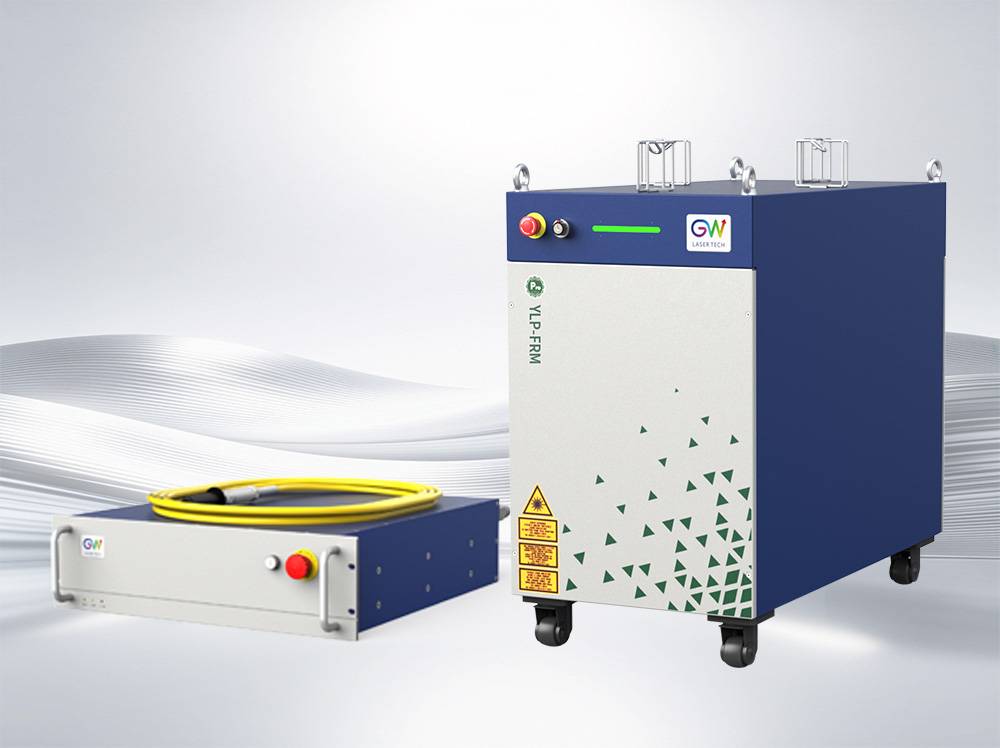
With years of dedicated R&D in high-brightness fiber lasers, GW Laser Tech independently developed the FRM ring beam laser, optimized for processing highly reflective materials including copper and aluminum used in new energy vehicles.
This laser delivers ultra-low spatter during welding, with welds free of blowholes and cracks, enabling manufacturers to achieve high-efficiency mass production.
- Follow us

 0
0