
Bus bar welding
Bus bar welding Sounds like a question. actually Three types of situations——Select bad parameter At this time, every working condition will Show defects in different forms.
Copper copper, aluminum aluminum, copper aluminum dissimilar welding. Same application category, same device, but failure modeas like as an apple is to an oyster.
Why The busbar is crucial
BusIt is the main current conductor between batteries. In the 400V EV package, the busbar carries a continuous current of several hundred amperes. The joint resistance must be consistent, low, and stable - spanning the lifespan of the vehicle and withstanding thermal cycling Ring, vibration, corrosion Wait.
An increase in resistance of 1m Ω generates an additional 90W of heat at 300A. In a dense battery pack, heat has nowhere to go and accelerates battery degradation In extreme cases It will also lead tothermal runaway That's why Welding quality of busbar Not just a manufacturing indicator, but also Reliability metrics。
1
Joint Type 1: Copper Copper (Cu Cu)
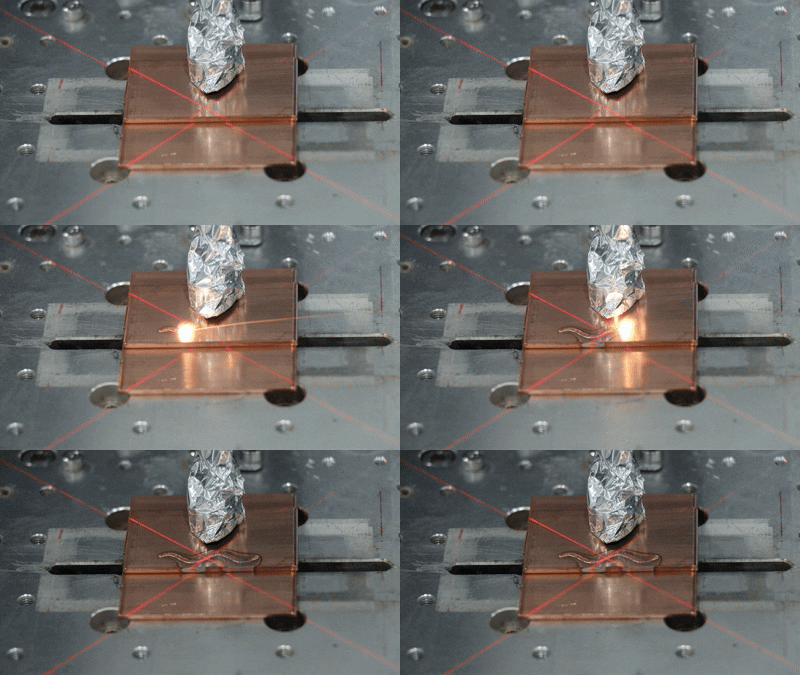
Problem:reflectance and small hole instable.
pure copper (C10100/C11000) Reflects approximately at room temperature 95% 1070nm laser。
FRM Solution The annular beam widens the exit channel of the small hole, Allow bubbles to escape before collapsing。
2
Joint Type 2: Aluminum Aluminum (Al Al)
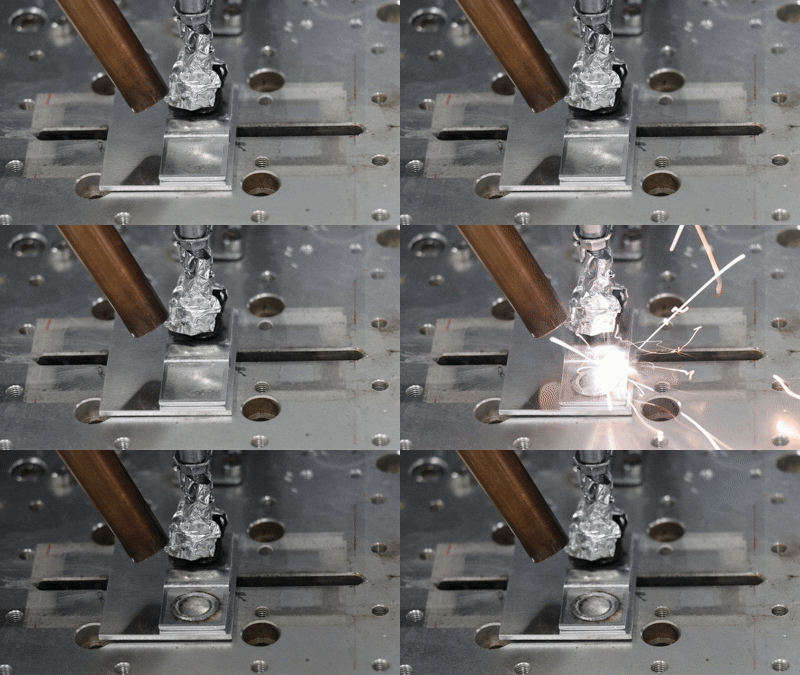
Problem:poreandSolidification cracking。
Hydrogen poreDissolve hydrogen during aluminum melting - Solution: Strong pretreatment, high-purity argon gas
Small pores and voidsThe high thermal conductivity and rapid solidification rate of aluminum mean that small pores collapse rapidly - Solution: Run at a stable pore threshold>3.5 MW/cm ² or above
hot crack Certain aluminum alloys - Solution: Precise control of heat input
3
Joint type 3: Copper aluminum dissimilar (Cu Al)
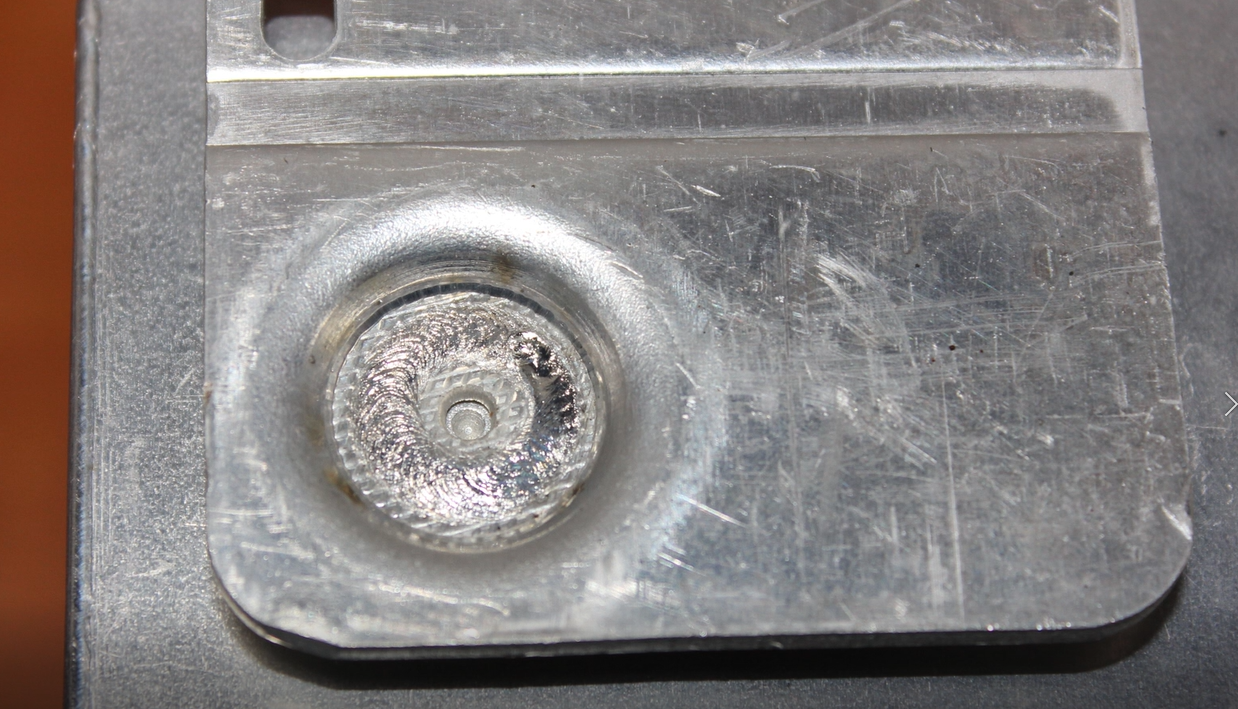
Problem Intermetallic compounds (IMC).
When Copper and aluminum When mixed in the molten pool, they form Intermetallic compounds:CuAl ₂, Cu ₉ Al ₄ CuAlThese types of compounds:
crisp——Low fracture toughness; Mechanical failure under vibration
Resistive property——Higher resistance than any base material; Joint heating
Once it becomes uncontrollable——Cannot be annealed to eliminate
IMC thickness<~5 μ m is acceptable,Beyond this threshold, the resistance of the connector increases and reliability decreases.
4
Flat wire welded GW photovoltaic configuration
Connector Type | Material | thickness | Core power | Ring Core | shielding gas |
Cu-Cu | pure copper | 3–4mm | 2–3kW | 40–60% | Ar |
Al-Al | 1xxx/3xxx Al | 1.5–3mm | 1.5–2.5kW | 50–70% | Ar |
Cu-Al | Xenomorph | 2–3mm | 1.5–2kW | 20–35% | Ar |
Al Al (thin) | 1xxx Al | <1.5mm | 0.8-1.5kW | 40–60% | Ar |
The GW FRM beam energy distribution scheme regulates the flow of the melt pool through controlled beam energy distribution, achievingStable and low splashWelding connection. Create a preferred solution for low resistance, high durability, and batch replicable busbar welding.
- Follow us

 0
0