
Long term structural challenges
The average age of North American arc welders is 55 years old, and one-fifth will retire before 2028. The industry currently lacks 360000 qualified welders - and this number is still growing.
Most manufacturers attempt to solve labor problems by seeking more labor, A faster answer is
Change the process.
The actual cost of arc welding
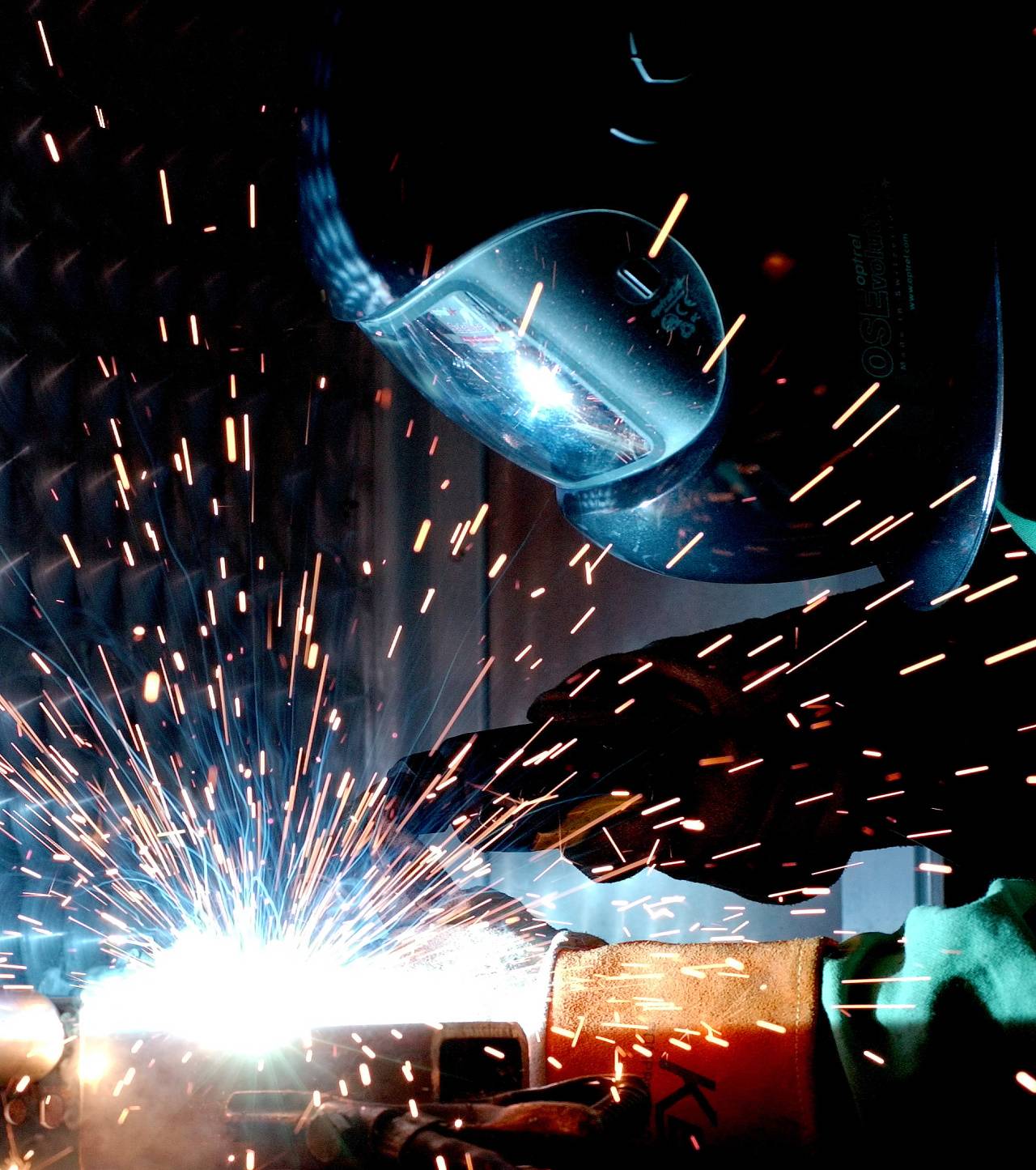
The image is sourced from the internet
Conventional manual MIG welding is a mainstay for structural manufacturing. It works on 3‑10 mm steel, aluminum and stainless steel, and is widely adopted in shipbuilding, repair shops and automotive frame production lines. It is proven, flexible, and fairly tolerant of poor fit‑up.
For typical structural welds, it operates at travel speeds of roughly 500‑800 mm/min. Each welding torch requires a skilled operator. It creates a wide heat‑affected zone on thinner sections, resulting in distortion, plus substantial post‑weld cleanup work including spatter, slag removal and grinding.
For a weld requiring 145 minutes of arc‑on time, the true cost goes far beyond consumables. It covers operator labor, setup, post‑weld grinding, distortion rework, and throughput bottlenecks that drag down output across all downstream processes.
Welding work that originally takes 145 minutes with conventional MIG only takes around 26 minutes with handheld laser‑MIG hybrid welding.
What is Laser MIG
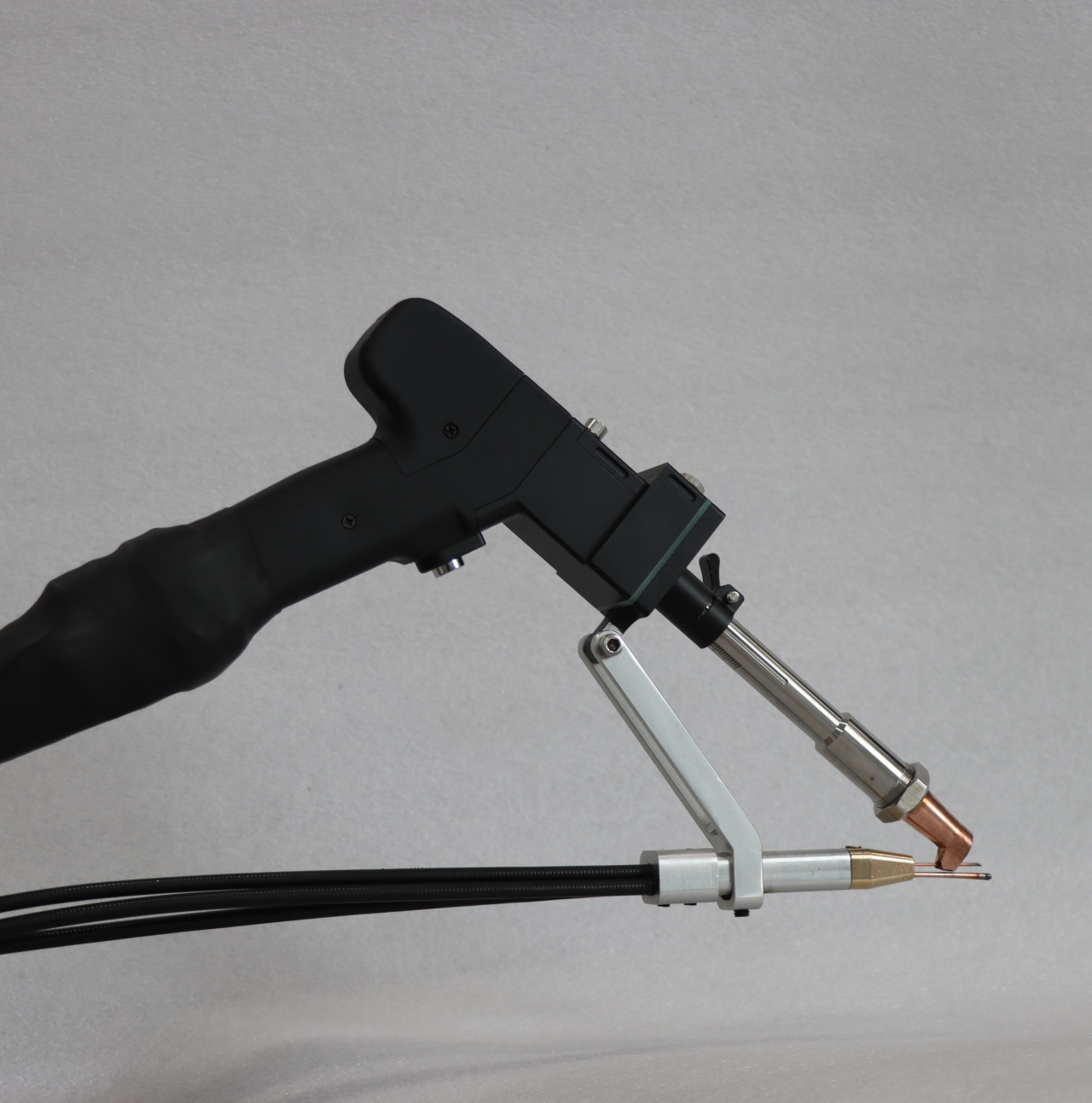
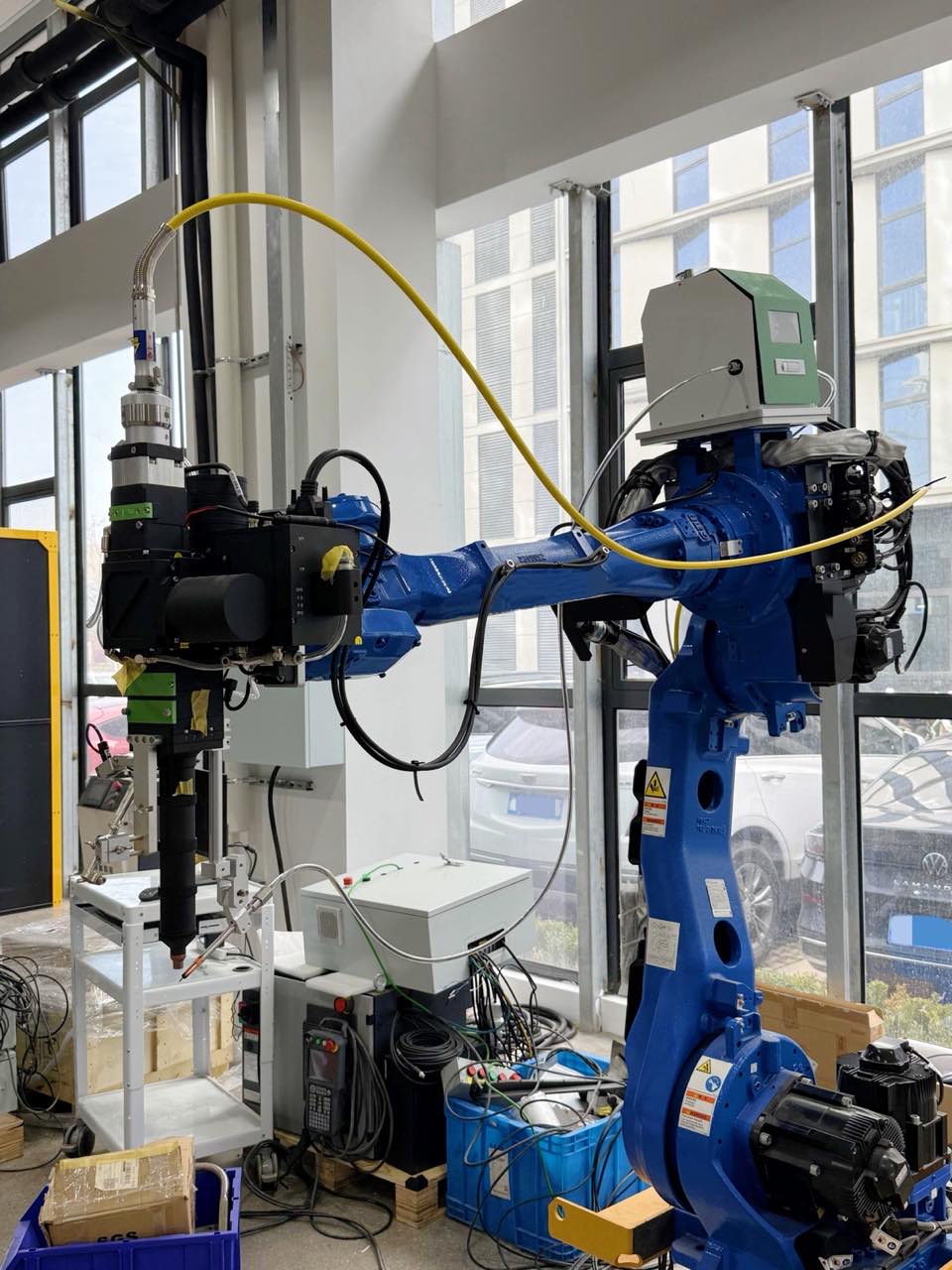
Laser MIG(Handheld laser for thick plateswelding)
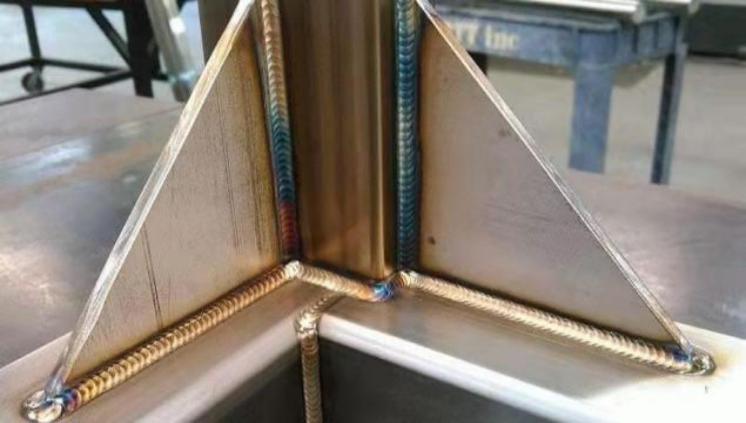
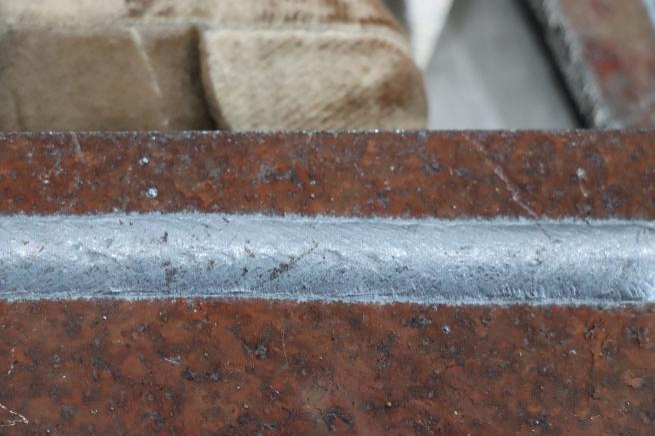
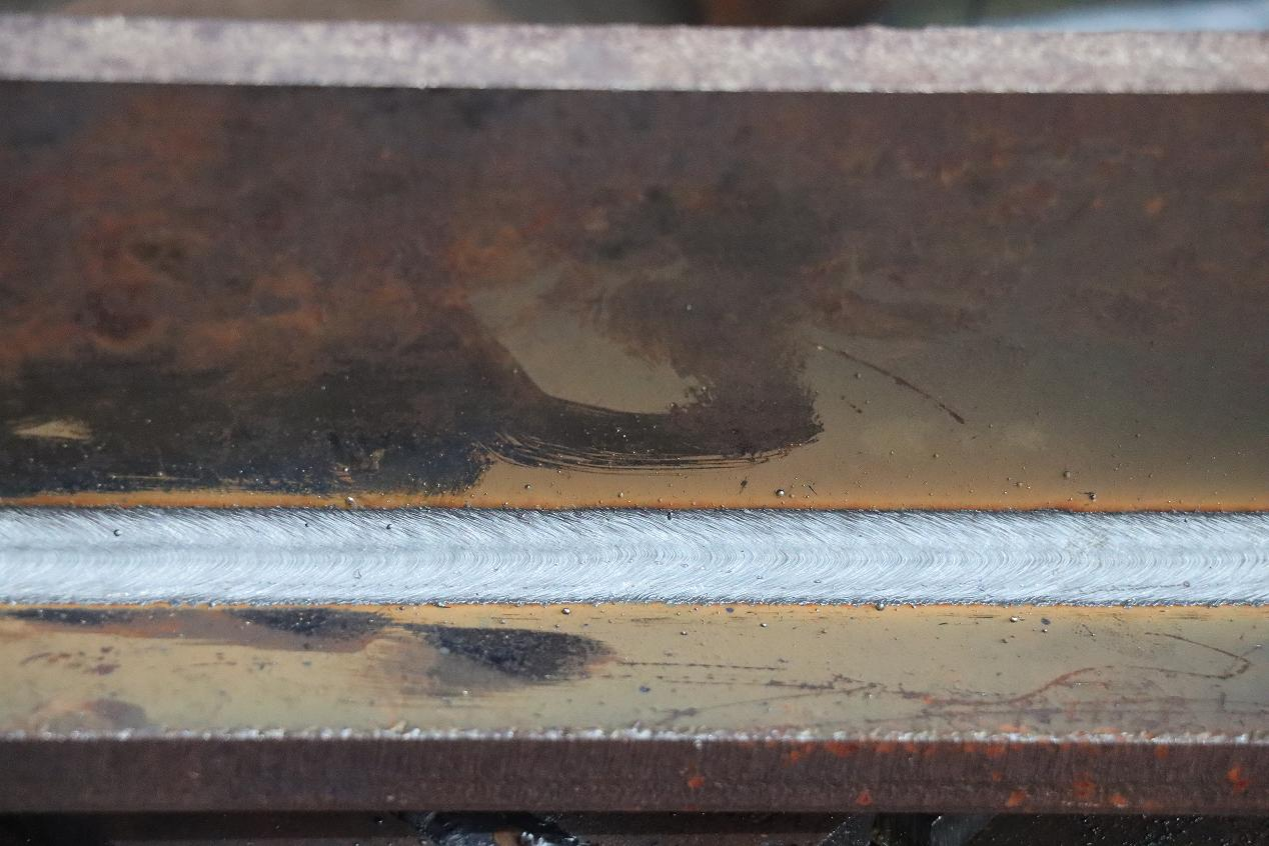
Combining wide swing handheld laser welding with multi-channel wire feeding to simulate traditional MIG welding, achieving weld seam effects with large melting width and stack height.
While replicating the macroscopic weld morphology of MIG, the core advantages of lower heat input and smaller deformation in laser welding are retained.
Technical Advantages
Speed 4kW hybrid configuration achieved on 6-10mm structural steel 400–800 mm/min——Compared to arc welding only 200–400 mm/min
Heat input Smaller HAZ, less deformation, less post weld correction
penetrate Laser small hole single pass achieves greater penetration depth - MIG welding requires multi pass and multi-layer welding through groove opening
Automation Fully automated - easier to transplant to collaborative robots, install on robots, or fix
units to become automated welding
working environment Less welding fumes and arc damage
Scope of Application
Suitable Structural steel and aluminum, with a wall thickness of 3-10mm; Standard structural joint geometry; Calculate ROI and shorten the production line cycle; A production line with a shortage of welders.
not suitable Poor coordination (gap>2mm); Thin plate (<2mm); High irregularity or short cycle welding; Thick plates (>15mm) coated with remelting.
ROI calculation
Cost category | Traditional arc MIG | Laser MIG |
Cycle time per component | 145 minutes | 26 minutes |
Labor cost | high | Reduce (automation) |
Post weld grinding/cleaning | significant | minimum |
Deformation rework | frequent | rare |
Laser MIG Capital Equipment investment payback period:About 14 months.
The time has come
The shortage of welders is not temporary - the aging workforce is Structural issues The cost of fiber lasers has decreased -4kW production grade fiber lasers are now only a small fraction of their earlier prices. Collaborative robots make flexible automation possible - suitable for High mixing, low batch Work.
Process upgrades require reliable laser hardware and process support. If you are evaluating the feasibility of laser thick plate welding landing, GW Laser has mature fiber laser solutions and supporting process experience, and can assist in sample testing, process debugging, and related technical support.
- Follow us

 0
0